Fumé Blanc is Sauvignon Blanc. Robert Mondavi coined the name in the late 1960s, borrowing from Pouilly-Fumé in the Loire Valley, for a dry-fermented, oak-aged Sauvignon Blanc. Today Fumé Blanc usually signals a rounder, richer, more melon-like style than the grassier, citrusy wines labeled Sauvignon Blanc.
Wine is history, geography, biology and chemistry, and also marketing. The story of Fumé Blanc is one of the best examples of how a name can change a grape's fortunes.
At a glance
Fumé Blanc = Sauvignon Blanc.
Named by Robert Mondavi in the late 1960s.
The name comes from Pouilly-Fumé in the Loire Valley.
Never trademarked, so other wineries use it too.
Style: usually some oak; rounder and more melon-like.
1. Why Mondavi Renamed Sauvignon Blanc
In the late 1960s, Sauvignon Blanc had a poor reputation in the US. It was seen as too sweet, too grassy or too acidic, often poorly made, hard to pronounce, and generally avoided by many wine drinkers. Around this time, Robert Mondavi had the chance to produce some promising Sauvignon Blanc. He knew this white wine was delicious, but he also needed to sell it, and labeling it Sauvignon Blanc would not have been a winning strategy.
Taking a cue from Pouilly-Fumé, a Sauvignon Blanc region in France's Loire Valley, Mondavi called his wine Fumé Blanc and used the name for his Sauvignon Blanc, which was dry-fermented and aged in oak barrels. The decision paid off. Mondavi did not trademark the term, so other wineries jumped on the bandwagon, often crafting Sauvignon Blanc in the same style and calling it Fumé Blanc.
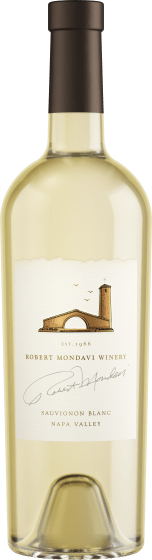
Robert Mondavi Winery's Napa Valley Sauvignon Blanc, from the winery that coined the name Fumé Blanc in the late 1960s.
2. Fumé Blanc vs. Sauvignon Blanc Today
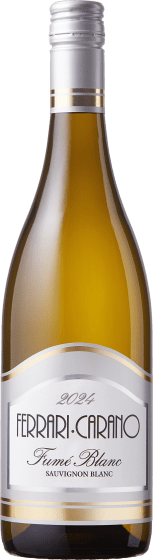
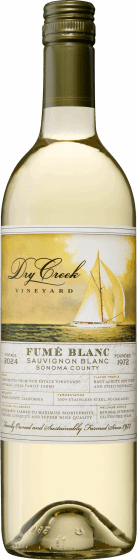
Sauvignon Blanc now enjoys a stellar reputation, and the grape's name is proudly displayed on countless California Sauvignon Blanc labels. But a handful of producers still use the Fumé Blanc name, and it often signals a particular style. There are exceptions, but Fumé Blanc typically sees a bit of oak and shows rounder, richer, more melon-like flavors, while wines labeled Sauvignon Blanc more often show the grape's grassy, sharper citrus aromas.
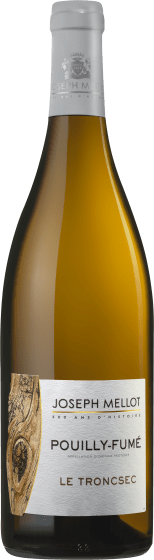
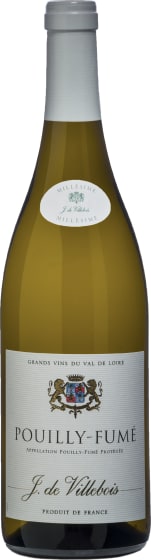
Pouilly-Fumé, in France's Loire Valley, is the Sauvignon Blanc region that gave Fumé Blanc its name. To taste the source of the idea, pour a Pouilly-Fumé next to a California Fumé Blanc. For similar Loire-style whites, see wines similar to Sancerre.