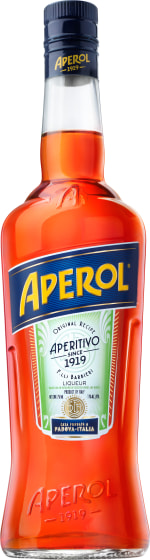
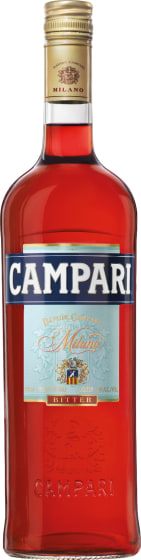
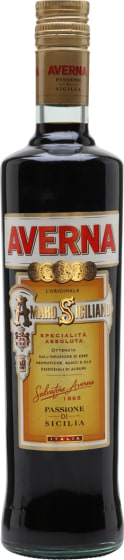
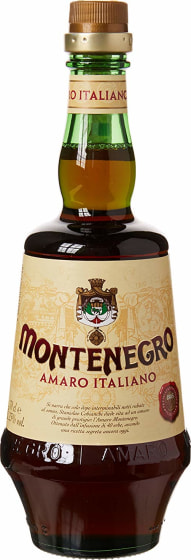
Vermouth is an herb-infused wine that comes in two styles: sweet (Italian, reddish-brown) and dry (French, straw-colored). Amaro is a broad family of bitter liqueurs, from light, orange Aperol to dark, intensely bitter Fernet. Dry vermouth goes in Martinis; sweet vermouth goes in Manhattans and Negronis.
The vast and varied world of bitters, amaro and vermouth can be intimidating for the uninitiated. Here is a quick guide to get you oriented.
At a glance
Vermouth: an herb-infused wine, sweet or dry, used in Martinis, Manhattans and Negronis
Aperitivo: served before a meal, usually a light amaro or vermouth cocktail such as an Aperol Spritz
Digestivo: served after a meal, usually a darker, more strongly herbal amaro
Fernet: the darkest and most bitter amaro, with a licorice flavor
1. Vermouth
While vermouth is most often consumed in cocktails, it is in fact a kind of wine. But don't expect a fruit-forward glass of Pinot. Vermouth is herb-infused, giving it a bitterness that complements and adds depth to your favorite mixed drink.
Vermouth comes in two styles, sweet and dry:
Sweet (Italian) vermouth is reddish-brown and sweetened with sugar. Use it in Manhattans and Negronis.
Dry (French) vermouth is straw-colored and more bitter. Use it in Martinis.
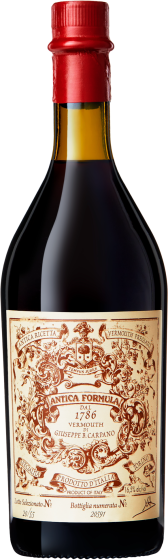
Below: two sweet vermouths (Carpano Antica Formula and Cocchi Vermouth di Torino) and two dry (Antica Torino Dry and Quady Vya Extra Dry).
Aperitivi (aperitifs) are traditionally served before a meal. They typically feature a vermouth or a light amaro in cocktail form; think of an Aperol Spritz.
Amaro is a broad category, taking in many bitter liqueurs, from sweet Aperol to dark Fernet. Only the lighter, orange-colored ones are used in aperitivi. Shop aperitivo liqueurs.
Whereas aperitivi are served before a meal, digestivi (digestifs) are traditionally served after it. They usually use stronger herbs, so digestivi are typically the darker amari.
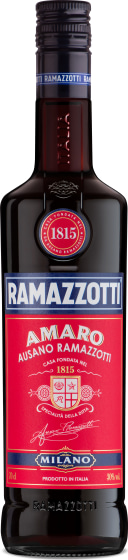
Made with varying botanicals, amari can taste very different from one another: some are sweeter with orange peel, others strong with hints of coffee and eucalyptus. Each producer uses its own proprietary blend, so read the description to get a sense of what a bottle will taste like. Three widely loved Italian amari to start with: Averna, Montenegro and Ramazzotti.
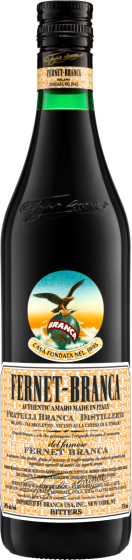
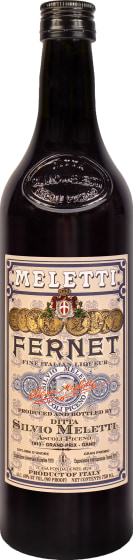
Fernet is in fact a type of amaro, and perhaps the most widely recognized. The darkest and most bitter of all the amari, it has a distinctive licorice flavor and a particularly bitter profile. Styles of Fernet vary too, so if Fernet-Branca isn't for you, give another one a try, such as Meletti Fernet.
Yes. Vermouth is an herb-infused wine, most often used in cocktails.
What is the difference between sweet and dry vermouth?
Sweet (Italian) vermouth is reddish-brown and sweetened with sugar. Dry (French) vermouth is straw-colored and more bitter.
Which cocktails use sweet or dry vermouth?
Martinis use dry vermouth; Manhattans and Negronis use sweet vermouth.
What is the difference between an aperitivo and a digestivo?
Aperitivi are traditionally served before a meal, usually as a light cocktail such as an Aperol Spritz. Digestivi are traditionally served after a meal and are usually the darker, more strongly herbal amari.
What is Fernet?
A type of amaro, the darkest and most bitter of them, with a distinctive licorice flavor. Styles vary by producer.


 Italy ● Vermouth
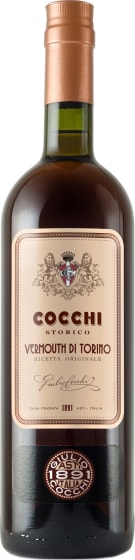 Italy ● VermouthSold Out - was $30.00
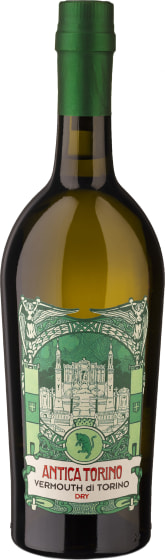 Piedmont, Italy ● Vermouth
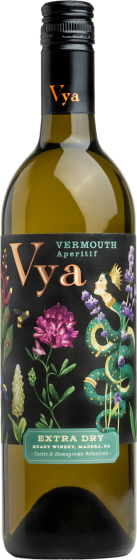 California ● Vermouth