


Winemaker Notes
Professional Ratings
-
James Suckling
Lovely cabernet character, with aromas of paprika, black olives, tobacco leaves and minty freshness. Excellent depth, too. Juicy and tight, with a full body and muscular tannins. Beautiful balance. This needs another year or two. 68% cabernet sauvignon and 32% merlot.
-
Wine Enthusiast
Barrel sample. With marked acidity as well as black fruits, this is a wine with weight and richness. It has a dark core of firm tannins, although the aftertaste maintains the juiciness.
Barrel Sample: 92-94 Points -
Decanter
An excellent second bottle, showing that this wine needs time to bed down further. It remains extremely well knitted together, showing excellent structure and spice, full of carefully placed, controlled cassis fruits joined by touches of cigar box and grilled almonds. The tannins are still gripping tightly around the fruit, so give it another three or four years.
-
Jeb Dunnuck
A balanced, elegant wine, the 2012 Château Brane-Cantenac shows a fresh, floral, perfumed style in its juicy red and black fruits, underbrush, graphite, and damp flower notes. Based on 68% Cabernet Sauvignon and 32% Merlot and aged 18 months in 70% new French oak, it's medium-bodied and has a nicely balanced, elegant mouthfeel, ripe tannins, and plenty of charm. It doesn't have the ripeness of the 2009 and 2010 (or 2011), but it has a rock-solid style that will shine over the coming 15 years.
-
Robert Parker's Wine Advocate
It is hard not to give kudos to proprietor Henri Lurton, as he’s done such a great job at this famous estate in Margaux. The 2012 has an opaque ruby/purple color and beautifully sweet, velvety tannins. It had to be more difficult achieving this level in the Médoc in 2012 than in Graves or the Right Bank sectors of Pomerol and St.-Emilion. With a lush, supple texture, medium to full body, and beautiful flowery blackcurrant and black cherry fruit, this opaque wine is pure and impressively endowed. Another beauty from Lurton, it is soft enough to be drunk early on, but promises to age well for 15-20 years.
-
Wine Spectator
Plush yet focused, with a loam-tinged structure carrying dark plum, blackberry coulis and tobacco notes. Cuts a broad swath through the finish, with an echo of freshly drawn espresso. Solid, with a pleasant old-school twinge. Best from 2016 through 2022.
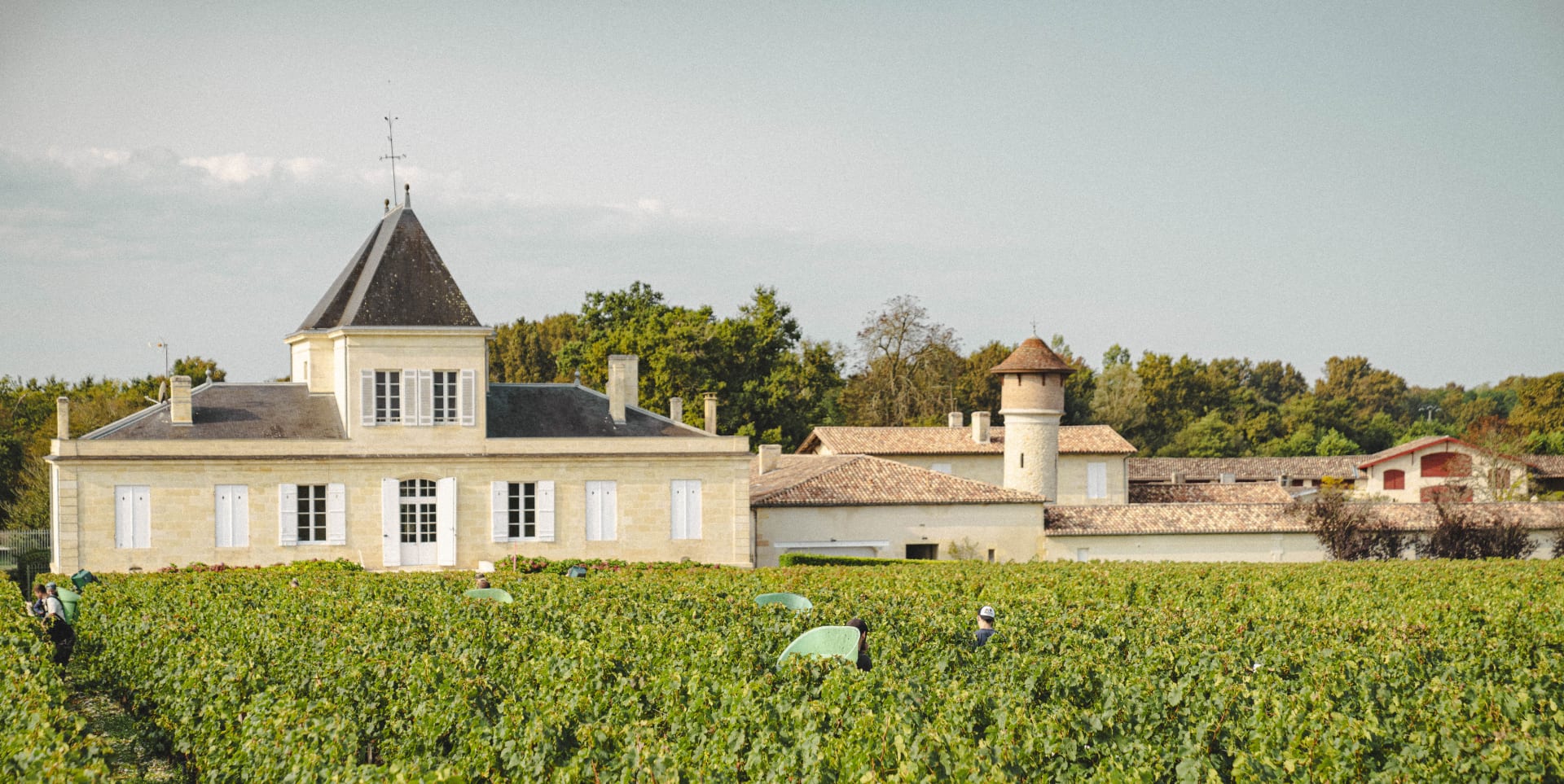


Lucien Lurton's grandfather acquired the estate in 1925, and was succeeded by his grandson in 1956. Lucien Lurton's son, Henri, currently manages the estate and puts all his efforts into producing a great Margaux in each and every vintage, reflecting Brane-Cantenac's superb vineyard soil.

One of the world’s most classic and popular styles of red wine, Bordeaux-inspired blends have spread from their homeland in France to nearly every corner of the New World. Typically based on either Cabernet Sauvignon or Merlot and supported by Cabernet Franc, Malbec and Petit Verdot, the best of these are densely hued, fragrant, full of fruit and boast a structure that begs for cellar time. Somm Secret—Blends from Bordeaux are generally earthier compared to those from the New World, which tend to be fruit-dominant.

Silky, seductive and polished are the words that characterize the best wines from Margaux, the most inland appellation of the Médoc on the Left Bank of Bordeaux.
Margaux’s gravel soils are the thinnest of the Médoc, making them most penetrable by vine roots—some reaching down over 23 feet for water. The best sites are said to be on gentle outcrops, or croupes, where more gravel facilitates good drainage.
The Left Bank of Bordeaux subscribes to an arguably outdated method of classification but it is nonetheless important in regards to history of the area. In 1855 the finest chateaux were deemed on the basis of reputation and trading price—at that time. In 1855, Chateau Margaux achieved first growth status, yet it has been Chateau Palmer (officially third growth from the 1855 classification) that has consistently outperformed others throughout the 20th century.
Chateau Margaux in top vintages is capable of producing red Cabernet Sauvignon based wines described as pure, intense, spell-binding, refined and profound with flavors and aromas of black currant, violets, roses, orange peel, black tea and incense.
Other top producers worthy of noting include Chateau Rauzan-Ségla, Lascombes, Brane-Cantenac, and d’Issan, among others.
The best wines of Margaux combine a deep ruby color with a polished structure, concentration and an unrivaled elegance.