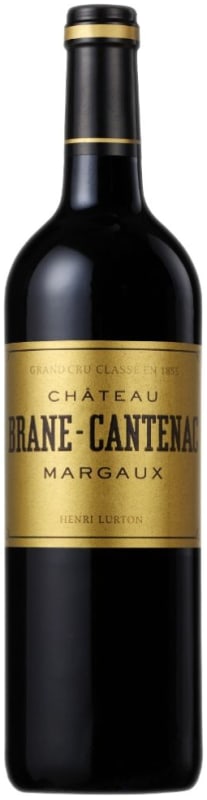


Winemaker Notes
Blend: 77% Cabernet Sauvignon, 22% Merlot, 1% Cabernet Franc
This wine does not include the blanket 10% tariff imposed in April 2025. When the wines are shippable in fall of 2027, customers will have the option to pay any tariff in place at the time or to keep their wines stored in a temperature-controlled facility free of charge in France.
Professional Ratings
-
Jeb Dunnuck
The Grand Vin is based on 77% Cabernet Sauvignon, 22% Merlot, and 1% Cabernet Franc that included 11.3% of press, saw malolactic fermentation in barrel, and will spend 18 months in 80% new barrels. Its deeper ruby/purple hue is followed by a beautifully pure, layered, elegant, and medium-bodied Margaux that has both red and blue fruits, some violet, spicy wood, and cedar pencil nuances, fine, polished tannins, and outstanding length. This hit 12.6% alcohol with a pH of 3.53.
Barrel Sample: 94-96 -
Decanter
Ripe and concentrated aromas, you can feel the blackcurrant and cherry fruit, dark and full of aromatic intensity. Really welcoming. Bright and lively in the mouth, an instant hit of sweet, juiciness with high acidity giving immediate lift. It’s not plush, more sleek and svelte. More linear than recent vintages of course but lifted with careful extraction and lovely definition. A happy wine. Really makes you smile and one you want to finish. More overt acidity than some - racy - but I love the intense freshness and precision on offer and this grows in stature with time in the glass. 40% grand vin production. Ageing 80% new oak instead of 100%, probably 18 months in barrel. Tasted twice. 11.3% press. 3.53pH.
Barrel Sample: 95 -
James Suckling
A linear and focused wine with blackcurrants, cherries and crushed stones. Medium-bodied with polished tannins. Classy finish.
Barrel Sample: 94-95


One of the world’s most classic and popular styles of red wine, Bordeaux-inspired blends have spread from their homeland in France to nearly every corner of the New World. Typically based on either Cabernet Sauvignon or Merlot and supported by Cabernet Franc, Malbec and Petit Verdot, the best of these are densely hued, fragrant, full of fruit and boast a structure that begs for cellar time. Somm Secret—Blends from Bordeaux are generally earthier compared to those from the New World, which tend to be fruit-dominant.

Silky, seductive and polished are the words that characterize the best wines from Margaux, the most inland appellation of the Médoc on the Left Bank of Bordeaux.
Margaux’s gravel soils are the thinnest of the Médoc, making them most penetrable by vine roots—some reaching down over 23 feet for water. The best sites are said to be on gentle outcrops, or croupes, where more gravel facilitates good drainage.
The Left Bank of Bordeaux subscribes to an arguably outdated method of classification but it is nonetheless important in regards to history of the area. In 1855 the finest chateaux were deemed on the basis of reputation and trading price—at that time. In 1855, Chateau Margaux achieved first growth status, yet it has been Chateau Palmer (officially third growth from the 1855 classification) that has consistently outperformed others throughout the 20th century.
Chateau Margaux in top vintages is capable of producing red Cabernet Sauvignon based wines described as pure, intense, spell-binding, refined and profound with flavors and aromas of black currant, violets, roses, orange peel, black tea and incense.
Other top producers worthy of noting include Chateau Rauzan-Ségla, Lascombes, Brane-Cantenac, and d’Issan, among others.
The best wines of Margaux combine a deep ruby color with a polished structure, concentration and an unrivaled elegance.