


Winemaker Notes
#10 Jeb Dunnuck Top 100 of 2025
Since Henri Lurton took over in 1992, he has made it his mission to produce the best possible wine, reinforcing Brane’s position as a second classified growth in 1855.
The result is a fine wine that perfectly expresses its remarkable terroir.
Blend: 74% Cabernet Sauvignon, 23% Merlot, 1% Cabernet Franc, 1% Petit Verdot, 1% Carménère
Professional Ratings
-
Jeb Dunnuck
A brilliant, borderline perfect wine, the 2022 Château Brane-Cantenac is a blend of 74% Cabernet Sauvignon, 23% Merlot, 1% Cabernet Franc, 1% Carménère, and 1% Petit Verdot that was aged 18 months in 100% new French oak. Insanely good blue fruits, spring flowers, graphite, and damp earth define the aromatics, and it builds beautifully with air, showing intensity, depth, purity, and complexity. Just gorgeous on the palate as well, it's full-bodied and has a deep, layered, seamless mouthfeel, ultra-fine tannins, perfectly integrated acidity, and flawless balance. Back up the truck on this beauty. It will have a broad drinking window and should cruise for 40+ years.
-
Decanter
One of the standouts of the year - a wonderful wine with so much to like. Coffee, tobacco, liquorice, dark chocolate, blackcurrants and floral scents on the nose. Smooth, succulent and velvety, this is amazing, juicy and so bright and vibrant. Pure and so effortless, tannins are filling but fine and delicate and this has excellent clarity and purity of fruit. They really didn't try too hard but have still delivered a powerful wine with concentration and intensity yet brightness and such generosity of fruit and acidity which makes this so joyful. Simply wonderful.
Barrel Sample: 98 -
Vinous
The 2022 Brane-Cantenac, as usual, is a wine that you must sit and contemplate before words gush forth. It was picked from 7 September to 10 October (their tiny plot of Carmenère) at 31.5hL/ha and contains 16% vin de presse from the Cabernet Sauvignon. It is well-defined and fresh, a very subtle Margaux, precise with blackberry, wild strawberry, cedar and tobacco scents. As previous vintages have proven, there's a kind of "hidden depth" that will become apparent post-bottling. The palate is medium-bodied with supple tannins, very elegant and unashamedly classic in style. This is blessed with haunting poise, composed and detailed on the finish. This Margaux is not a show stopper, which in any case, is not really Henri Lurton/Brane Cantenac’s signature style. Instead, it is a wine that 15 to 20 years down the road, you are going to treasure.–Neal Martin
Barrel Sample: 96-98 -
James Suckling
A rich and dense vintage with atypical Bordeaux ripeness. Full-bodied and dense, and the dusty tannins are so polished and velvety. Rich, sensuous and plush. A different Bordeaux that’s less than classic but great in quality. Really long and caressing. 74% cabernet sauvignon, 23% merlot, 1% cabernet franc, 1% carmenere and 1% petit verdot.
-
Robert Parker's Wine Advocate
The 2022 Brane-Cantenac has turned out nicely in bottle, wafting from the glass with aromas of cassis and plums mingled with hints of cigar wrapper, violets and pencil shavings. Full-bodied, layered and velvety, with a lively core of fruit framed by rich, chalky tannins, it displays excellent energy and persistence. This blend of 74% Cabernet Sauvignon, 23% Merlot and the balance Cabernet Franc, Carmenère and Petit Verdot
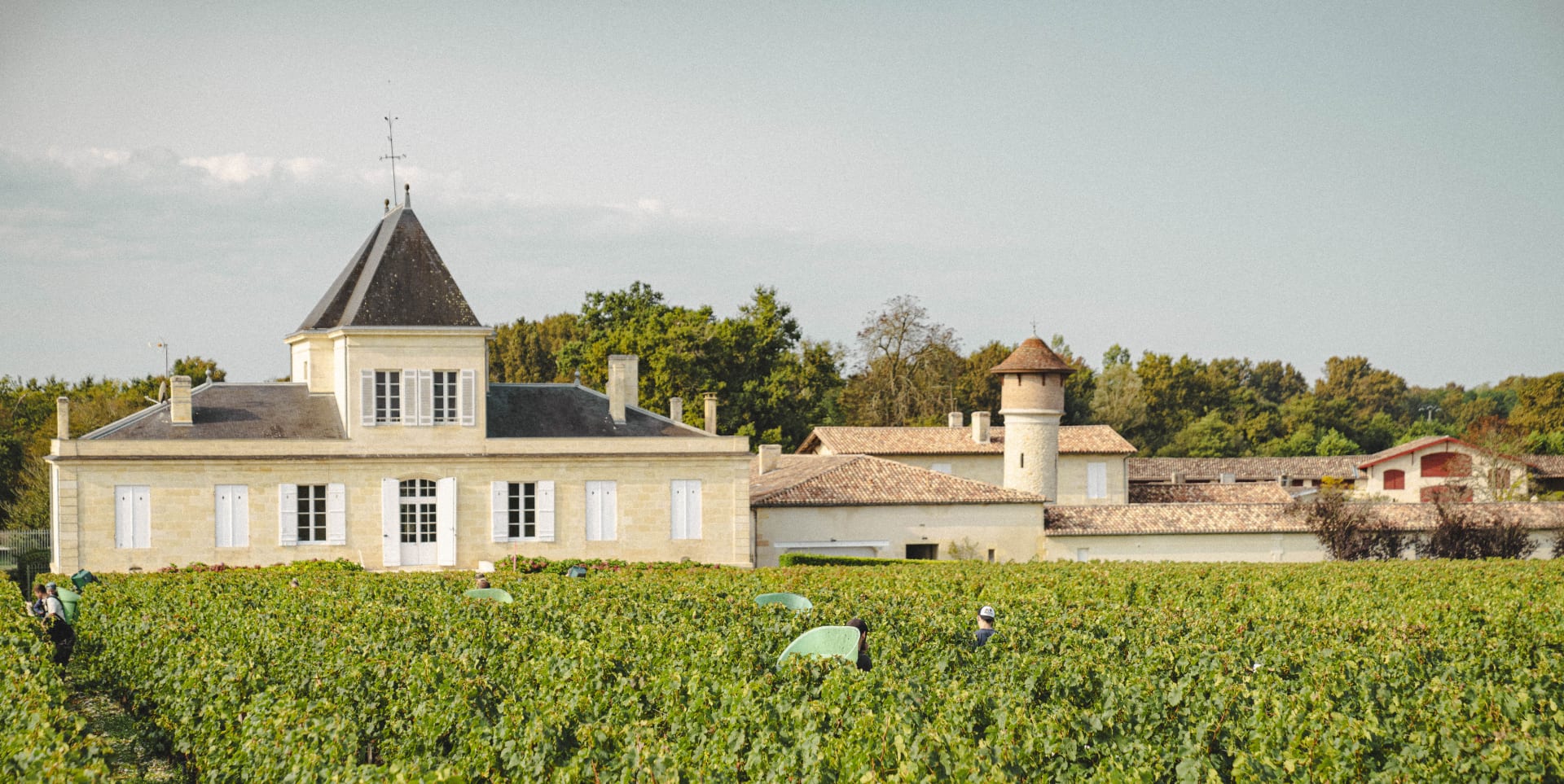


Lucien Lurton's grandfather acquired the estate in 1925, and was succeeded by his grandson in 1956. Lucien Lurton's son, Henri, currently manages the estate and puts all his efforts into producing a great Margaux in each and every vintage, reflecting Brane-Cantenac's superb vineyard soil.

One of the world’s most classic and popular styles of red wine, Bordeaux-inspired blends have spread from their homeland in France to nearly every corner of the New World. Typically based on either Cabernet Sauvignon or Merlot and supported by Cabernet Franc, Malbec and Petit Verdot, the best of these are densely hued, fragrant, full of fruit and boast a structure that begs for cellar time. Somm Secret—Blends from Bordeaux are generally earthier compared to those from the New World, which tend to be fruit-dominant.

Silky, seductive and polished are the words that characterize the best wines from Margaux, the most inland appellation of the Médoc on the Left Bank of Bordeaux.
Margaux’s gravel soils are the thinnest of the Médoc, making them most penetrable by vine roots—some reaching down over 23 feet for water. The best sites are said to be on gentle outcrops, or croupes, where more gravel facilitates good drainage.
The Left Bank of Bordeaux subscribes to an arguably outdated method of classification but it is nonetheless important in regards to history of the area. In 1855 the finest chateaux were deemed on the basis of reputation and trading price—at that time. In 1855, Chateau Margaux achieved first growth status, yet it has been Chateau Palmer (officially third growth from the 1855 classification) that has consistently outperformed others throughout the 20th century.
Chateau Margaux in top vintages is capable of producing red Cabernet Sauvignon based wines described as pure, intense, spell-binding, refined and profound with flavors and aromas of black currant, violets, roses, orange peel, black tea and incense.
Other top producers worthy of noting include Chateau Rauzan-Ségla, Lascombes, Brane-Cantenac, and d’Issan, among others.
The best wines of Margaux combine a deep ruby color with a polished structure, concentration and an unrivaled elegance.