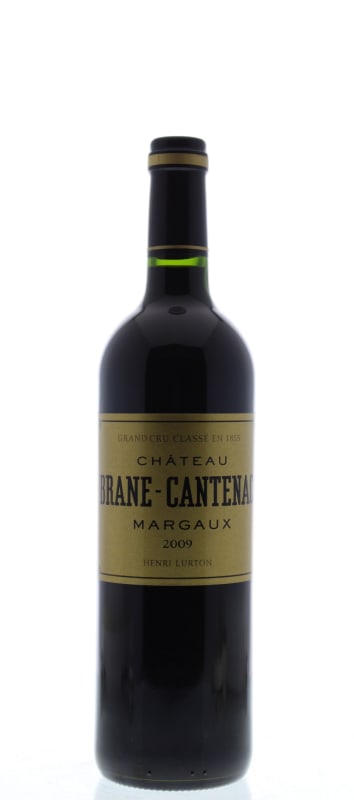


Winemaker Notes
Professional Ratings
-
James Suckling
An outstanding year, and the ripeness gives the traditional, classic Brane-Cantenac a tad more depth, richness and concentration, with very good density of flavors. Almost full-bodied with abundant tannins. There is obvious cabernet character, showing paprika, dark olives, white pepper and cigar box. The wine is unmistakably Brane-Cantenac, showing restraint and class. An opulent, and complete wine. 53% cabernet sauvignon, 40% merlot and 7% cabernet franc.
-
Jeb Dunnuck
A blend of 53% Cabernet Sauvignon, 40% Merlot, and 7% Cabernet Franc aged 18 months in 70% new French oak, the 2009 Château Brane-Cantenac is a ripe, powerful Brane-Cantenac. Ripe currants, spicy wood, tobacco, and incense all emerge from the nose, and it has medium to full-bodied richness, a round, layered, seamless mouthfeel, plenty of tannins, and outstanding length. As with most 2009s, it's drinking fabulously well today yet has another two decades of longevity.
-
Robert Parker's Wine Advocate
A spectacular effort from this estate rivaling their 2005, but more flashy/flamboyant, this dark ruby/purple wine has a strikingly intense nose of licorice, flowers, plums and dark berries. Medium to full-bodied, very approachable and silky, this suave, very sexy wine can be drunk early on as well as aged for 20+ years.
-
Wine Enthusiast
Warm and rounded, this spicy wine has wood flavors just showing through the ripe fruit. It is already delicious, with rich blackberry flavors right up front, although its aging potential is evident with the concentrated, deep structure.
Cellar Selection -
Vinous
The 2009 Brane-Cantenac has a wonderful bouquet, the best since the 2005. With copious brambly red berry fruit, cedar and mint—yes, very similar to previous bottles—there is simply more energy and focus from the benevolent growing season. The palate is medium-bodied with fine tannins and perfectly judged acidity, a little spicier than I recall with harmony and grip towards the finish. Time is just beginning to mellow the finish and shave the edges of this superb Brane-Cantenac that continues to dole out so much pleasure.
-
Wine Spectator
Ripe and fleshy, with an enticing mix of Linzer torte, currant confiture and crushed plum fruit offset by hints of briar and bay leaf. The long finish lets roasted apple wood, singed iron and tobacco leaf notes fill in, while staying plush in feel. Combines the ripeness of the vintage with a nice old-school feel. Best from 2013 through 2025.


One of the world’s most classic and popular styles of red wine, Bordeaux-inspired blends have spread from their homeland in France to nearly every corner of the New World. Typically based on either Cabernet Sauvignon or Merlot and supported by Cabernet Franc, Malbec and Petit Verdot, the best of these are densely hued, fragrant, full of fruit and boast a structure that begs for cellar time. Somm Secret—Blends from Bordeaux are generally earthier compared to those from the New World, which tend to be fruit-dominant.

Silky, seductive and polished are the words that characterize the best wines from Margaux, the most inland appellation of the Médoc on the Left Bank of Bordeaux.
Margaux’s gravel soils are the thinnest of the Médoc, making them most penetrable by vine roots—some reaching down over 23 feet for water. The best sites are said to be on gentle outcrops, or croupes, where more gravel facilitates good drainage.
The Left Bank of Bordeaux subscribes to an arguably outdated method of classification but it is nonetheless important in regards to history of the area. In 1855 the finest chateaux were deemed on the basis of reputation and trading price—at that time. In 1855, Chateau Margaux achieved first growth status, yet it has been Chateau Palmer (officially third growth from the 1855 classification) that has consistently outperformed others throughout the 20th century.
Chateau Margaux in top vintages is capable of producing red Cabernet Sauvignon based wines described as pure, intense, spell-binding, refined and profound with flavors and aromas of black currant, violets, roses, orange peel, black tea and incense.
Other top producers worthy of noting include Chateau Rauzan-Ségla, Lascombes, Brane-Cantenac, and d’Issan, among others.
The best wines of Margaux combine a deep ruby color with a polished structure, concentration and an unrivaled elegance.