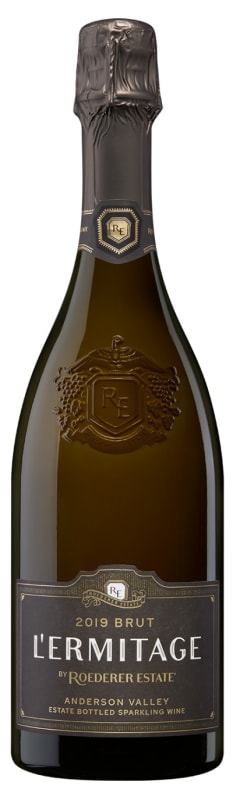


Winemaker Notes
The 2019 features aromas of quince paste and light pastry crust. The entry is bright and textured midpalate. A mouthwatering finish is highlighted by pear skin and an even, creamy texture.
Blend: 52% Chardonnay, 48% Pinot Noir
Professional Ratings
-
Wine Enthusiast
If sunshine could be bottled it would be this. Aromas of fresh succulent stone fruit, a hint of yeast, citrus blossoms and notes of quince on the nose. The mousse is creamy and light with baked red apples, blood orange zest, white grapefruit, sticky caramel and layered salinity with a mouthwatering finish. It will bring a smile to your lips. Cellar Selection
-
James Suckling
Pretty, delicate aromas of salt, herbs and pine forest. A compelling wine that really speaks of place, with fine bubbles that coat the palate before resolving in a finish of citrus oil and resinous herbs. Very fresh, layered, vibrant and medium- to full-bodied, with some wonderful chalkiness at the end. 52% chardonnay and 48% pinot noir. Disgorged February 2024. 6 g/L dosage.
-
Jeb Dunnuck
The 2019 Brut L'Ermitage tête de cuvée blends 52% Chardonnay and 48% Pinot Noir, estate grown from one growing season, with 4% of reserve Chardonnay from the 2016 vintage, and a dosage of 6 grams per liter. Disgorgement on February 2024. A wine not made every year, there's an outstanding opening note of richness and sweetness, kept longer on the yeast to build creaminess and texture around the fresh natural acidity. As a result, it's a focused, nearly full-bodied, expressive wine of tremendous complexity that balances pear and apple notes with crème brûlée and brioche.
-
Vinous
A young, potent wine, the 2019 Brut L'Ermitage is shaping up to be the greatest wine ever made at Roederer Estate. The aromatics are beguiling, but the 2019 is going to need a number of years to settle down. Readers will have to be patient. The 2019 is seriously impressive, but it needs time. It is the only wine in this series that was vinified with full malolactic fermentation and has the most lots fermented in wood here. It also saw the lowest dosage ever here, at 6 grams per liter. These choices look to be a winning approach for the future. Superb. Disgorged: February 2024.
-
Wine Spectator
Dynamic yet elegantly structured, with alluring flavors of Asian pear, baked apple, brioche, clove and nutmeg that build richness on the graceful finish.
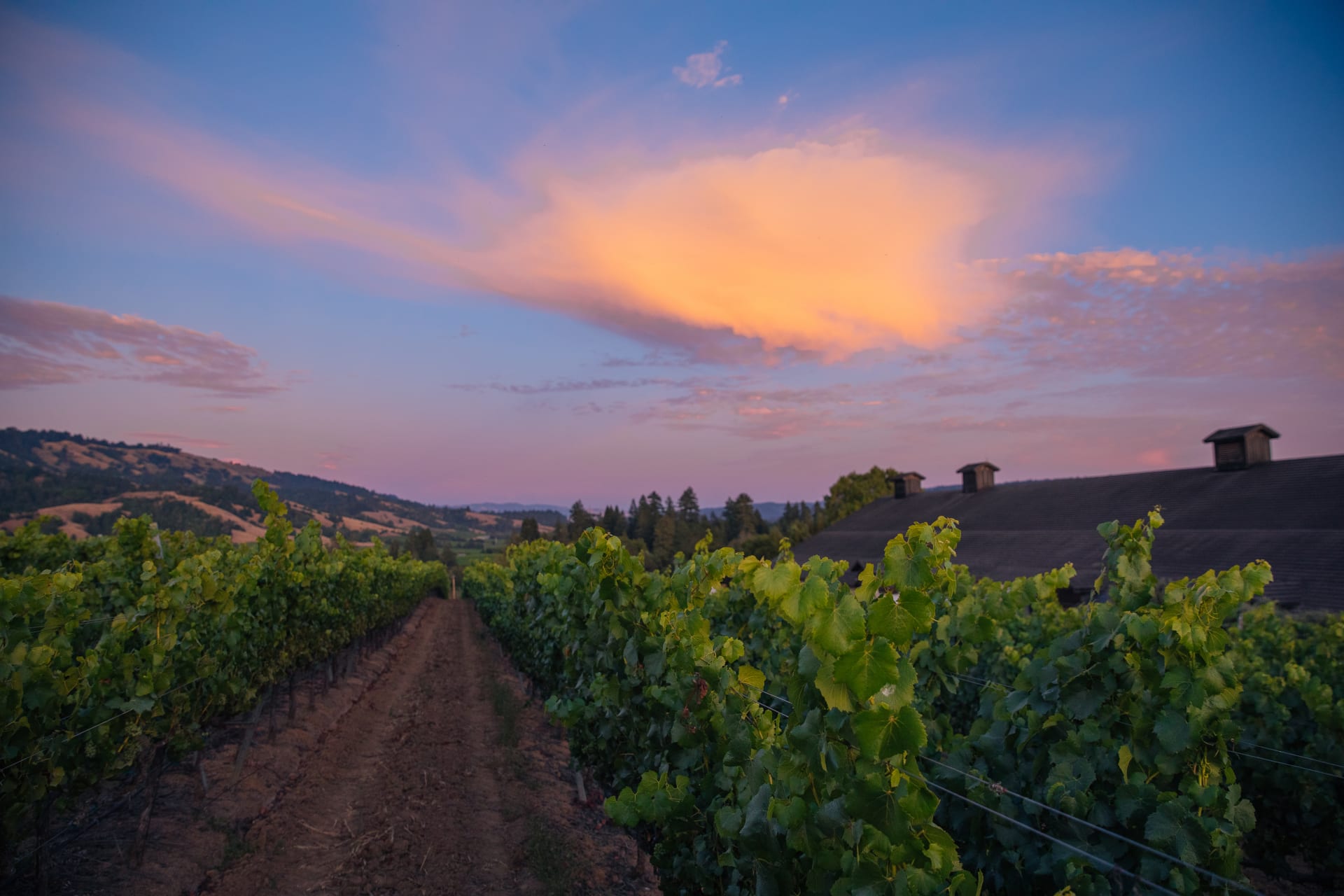


Founded in 1982, Roederer Estate is nestled in Mendocino County’s fog-shrouded, Anderson Valley. As the California property of Champagne Louis Roederer, Roederer Estate builds upon a centuries-old tradition of fine winemaking. Roederer's unique winemaking style is based on two elements: complete ownership of its vineyards and the addition of oak-aged reserve wines to each year's blend or cuvee to create complex, dry and harmonious sparkling wines.
The crisp, fresh and rich flavors of Roederer Estate sparkling wines reflect the cool Anderson Valley that is home to their family-owned estate's 600 acres of vineyards. This protected valley in Northern California provides the ideal ripening conditions for their 100% estate-grown Pinot Noir and Chardonnay grapes. The blending team is comprised of the winemakers from the California property as well as from Champagne Louis Roederer, ensuring that Roederer Estate remains the most French of the California sparklers.

Representing the topmost expression of a Champagne house, a vintage Champagne is one made from the produce of a single, superior harvest year. Vintage Champagnes account for a mere 5% of total Champagne production and are produced about three times in a decade. Champagne is typically made as a blend of multiple years in order to preserve the house style; these will have non-vintage, or simply, NV on the label. The term, "vintage," as it applies to all wine, simply means a single harvest year.

Surrounded by redwood forests and often blanketed in chilly, ocean fog, the Anderson Valley is one of California’s most picturesque appellations. During the growing season, moist, cool, late afternoon air flows in from the Pacific Ocean along the Navarro River and over the valley's golden, oak-studded hills. High and low temperatures can vary as much as 40 or 50 degrees within a single day, allowing for slow and gentle ripening of grapes, which will in turn create elegantly balanced wines.
The Anderson Valley is best known for Pinot Noir made in a range of styles from delicate and floral to powerful and concentrated. Chardonnay also shines here, and both varieties are often utilized for the production of some of California’s best traditional method sparkling wines. The region also draws inspiration from Alsace and produces excellent Riesling, Gewürztraminer, Pinot Blanc and Pinot Gris.