
Winemaker Notes
Professional Ratings
-
Wilfred Wong of Wine.com
COMMENTARY: Wow! The 1996 L'Ermitage has come along for the ride and is taking us with it to experience its glory. We are the benefactors. Today was the wine's day to shine, and it sure did. TASTING NOTES: This wine is deep and dramatic with alluring dried peach, earth, mushroom, and core fruits. Its outstanding development over time reminds of the high quality of L'Ermitage. Enjoy it with Coq Au Vin. (Tasted: April 4, 2018, San Francisco, CA)
-
Robert Parker's Wine Advocate
The 1996 L'Ermitage Brut, disgorged in February of 2000, opens with tangy notes of Greek yogurt and clotted cream over baked peaches and apples with accents of coffee, hazelnuts, smoke and graphite coming through with time. The palate is full-bodied and mature in character but has surprising freshness and energy to lift its toasty layers. It has a light framing of creamy mousse and very long, layered finish, a mature style that maintains a balanced richness.
-
Vinous
The 1996 Brut L'Ermitage is another very pretty, fully mature wine in this tasting. It shows a touch more energy and cut than the 1997 tasted alongside it, but also a bit less body. The 1996 is attractive today, but I wouldn't let this go much longer.
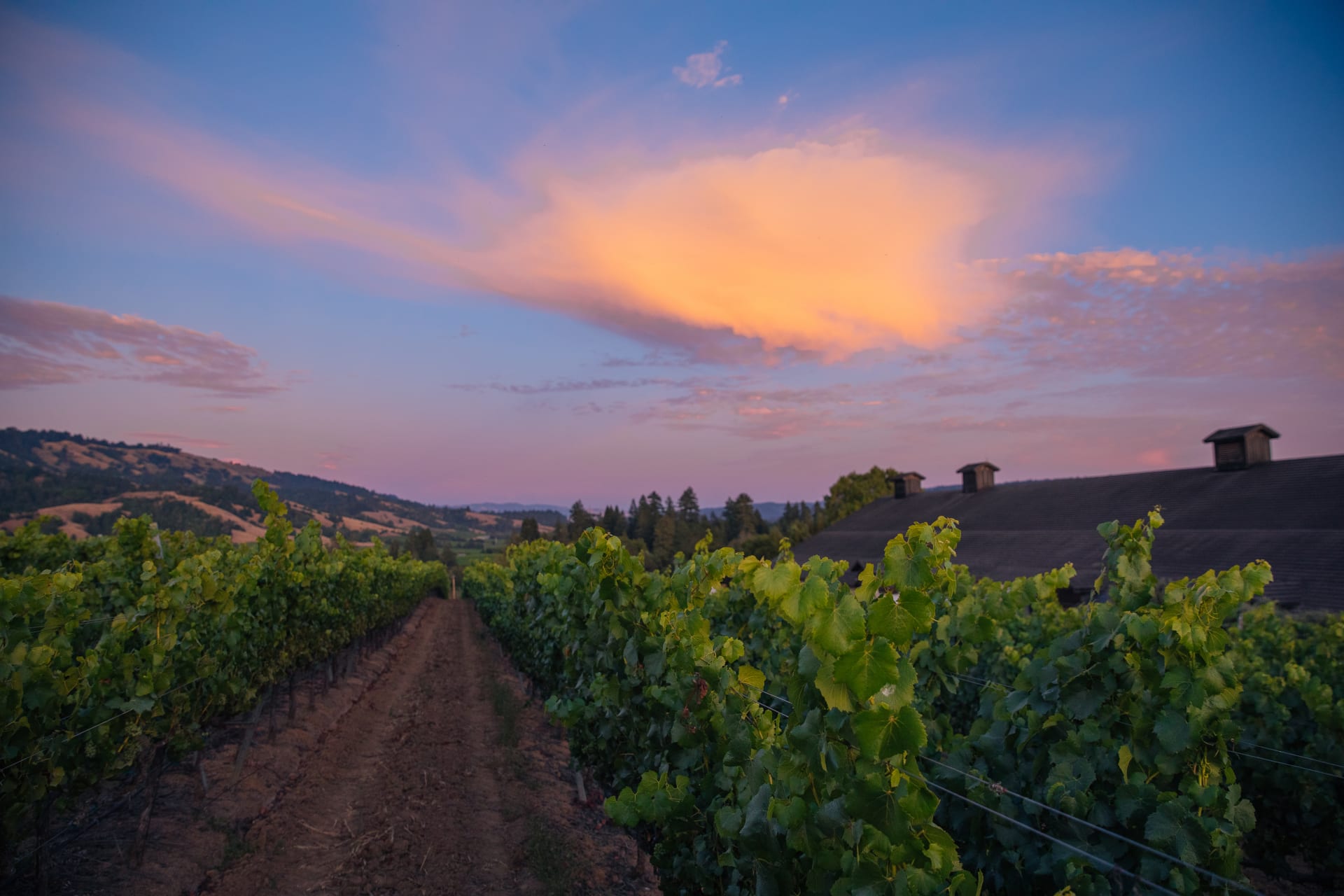


Founded in 1982, Roederer Estate is nestled in Mendocino County’s fog-shrouded, Anderson Valley. As the California property of Champagne Louis Roederer, Roederer Estate builds upon a centuries-old tradition of fine winemaking. Roederer's unique winemaking style is based on two elements: complete ownership of its vineyards and the addition of oak-aged reserve wines to each year's blend or cuvee to create complex, dry and harmonious sparkling wines.
The crisp, fresh and rich flavors of Roederer Estate sparkling wines reflect the cool Anderson Valley that is home to their family-owned estate's 600 acres of vineyards. This protected valley in Northern California provides the ideal ripening conditions for their 100% estate-grown Pinot Noir and Chardonnay grapes. The blending team is comprised of the winemakers from the California property as well as from Champagne Louis Roederer, ensuring that Roederer Estate remains the most French of the California sparklers.

Representing the topmost expression of a Champagne house, a vintage Champagne is one made from the produce of a single, superior harvest year. Vintage Champagnes account for a mere 5% of total Champagne production and are produced about three times in a decade. Champagne is typically made as a blend of multiple years in order to preserve the house style; these will have non-vintage, or simply, NV on the label. The term, "vintage," as it applies to all wine, simply means a single harvest year.

Reaching up California's coastline and into its valleys north of San Francisco, the North Coast AVA includes six counties: Marin, Solano, Napa, Sonoma, Mendocino and Lake. While Napa and Sonoma enjoy most of the glory, the rest produce no shortage of quality wines in an intriguing and diverse range of styles.
Climbing up the state's rugged coastline, the chilly Marin County, just above the City and most of Sonoma County, as well as Mendocino County on the far north end of the North Coast successfully grow cool-climate varieties like Pinot Noir, Chardonnay and in some spots, Riesling. Inland Lake County, on the other hand, is considerably warmer, and Cabernet Sauvignon, Zinfandel and Sauvignon Blanc produce some impressive wines with affordable price tags.