


Winemaker Notes
The 2021 CASK 23 combines the signature perfume notes of FAY vineyard with the structure and dark fruit of S.L.V. Inviting aromas of dark currents, blueberry compote, black cherry, tobacco, and spices lead to a flavorful and dense mid-palate with rich and refined tannins and a persistent finish with flavors of dark chocolate, anise, and black fruits.
Professional Ratings
-
Jeb Dunnuck
Aged 21 months in new barrels, the tiny production 2021 Cabernet Sauvignon Cask 23 is brooding and inward yet has incredible purity in its darker currant and cassis-like fruit as well as subtle smoked tobacco, crushed stone, liquid violet, and graphite-driven nuances. These carry to a deep, layered, sensationally concentrated Cabernet that has sweet yet building tannins, a seamless mouthfeel, flawless balance, and a great, great finish. It needs to be hidden for a decade if you can, but this is a legend in the making and will have 50+ years or more overall longevity if well stored.
-
Decanter
The first vintage of Cask 23 ever released was the 1974 vintage, with André Tchelistcheff as the consultant. While tasting all the barrels of S.L.V., Tchelistcheff came across one barrel so exceptional that they bottled it on its own, naming it after the barrel in which it was aged—Cask 23. Originally bottled only in the best vintages until 1990, when FAY was introduced as another single-vineyard expression, Cask 23 became a blend of the two single vineyards, FAY and S.L.V., aiming for a balanced, harmonious expression—a "sum greater than the parts" kind of wine. The 2021 Cask 23 was aged 21 months in 100% new French oak barrels. It displays an opaque purple-ruby colour with a magenta rim. The wine offers super dark fruit aromatics, with notes of sagebrush, fig, dried lavender, and salted dark chocolate. Full-bodied, it boasts incredible tension and mineral-laced, muscular tannins that are fine-grained with tremendous staying power, finishing with cocoa powder and an extravagant flourish. This wine has impressive energy and remarkable tension. The winemaker is Marcus Notaro.
-
James Suckling
So pure, supple and creamy in texture, this refined and elegant wine delivers deep, powerful flavors on a very polished frame. Creme de cassis, baked blueberry, dried cranberry, graphite and espresso crema nuances. Full-bodied. Graceful enough to drink soon, but will reveal more complexity and intrigue with further aging.
-
Robert Parker's Wine Advocate
A blend of Fay and S.L.V. barrels—with the proportions favoring Fay this vintage—the 2021 Cask 23 Cabernet Sauvignon shows a bit more toasty oak at this stage of its development but also some attractive violet and herb shadings, cassis, cherries and blueberries. It's medium to full-bodied and silky textured across the mid-palate, then lingers elegantly on the finish. It's a super effort, one that nicely captures the overall feel of the Stags Leap District AVA.
-
Wine Spectator
This is loaded with gorgeous flavors of boysenberry, mulberry and blackberry puree that maintain a sleek and refined feel as violet, iris and anise notes add range, lift and energy. A super fine-grained feel completes the seduction on the lengthy finish, where subtle minerality chimes prettily. Drink now through 2042.
-
Wine Enthusiast
Black cherry, red plum, cedar and fresh tobacco combine in this wine for an experience that is both savory and pleasingly earthy. Fine while textural, satisfying tannins and juicy acidity carry into a long and alluring finish. Delicious.
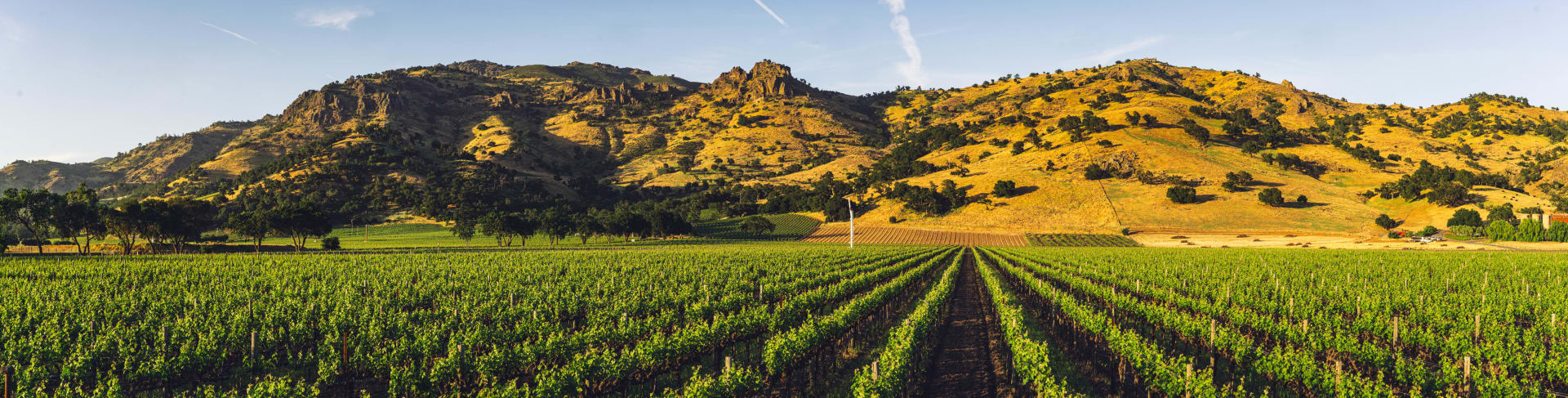




Considered one of the "first growths" of Napa Valley, Stag's Leap Wine Cellars produces renowned Cabernet Sauvignon from its historic Stags Leap District estate vineyards. Learn about Stags Leap history and estate-grown wines.
History of Stag’s Leap Wine Cellars
Stag’s Leap Wine Cellars was founded in 1970 with the purchase of a 40 acre property in the now famed Stag’s Leap District AVA in Napa Valley. The winery brought international recognition to California winemaking and the Napa Valley region when their 1973 S.L.V. Cabernet Sauvignon won the 1976 Paris Tasting, also known as the "Judgement of Paris."
Stag’s Leap Wine Cellars Estate-Grown Cabernet Sauvignon
Stag's Leap Wine Cellars' three estate-grown Cabernet Sauvignons - CASK 23, S.L.V. and Fay - are among the most highly regarded and collected Cabernet Sauvignons worldwide. The Cabernet wines are fashioned to express richness balanced by elegant restraint, an approach often described as "an iron fist in a velvet glove."

A noble variety bestowed with both power and concentration, Cabernet Sauvignon enjoys success all over the globe, its best examples showing potential to age beautifully for decades. Cabernet Sauvignon flourishes in Bordeaux's Medoc where it is often blended with Merlot and smaller amounts of some combination of Cabernet Franc, Malbecand Petit Verdot. In the Napa Valley, ‘Cab’ is responsible for some of the world’s most prestigious, age-worthy and sought-after “cult” wines. Somm Secret—DNA profiling in 1997 revealed that Cabernet Sauvignon was born from a spontaneous crossing of Cabernet Franc and Sauvignon Blanc in 17th century southwest France.

Legend has it that quick and nimble stags would escape the indigenous hunters of southern Napa Valley through the landmark palisades that sit just northeast of the current city of Napa. As a result, the area was given the name, Stags Leap. While its grape-growing history dates back to the mid-1800s, winemaking didn’t really take off until the mid-1970s after a small but pivotal blind tasting called the Judgement of Paris.
When a 1973 Stag’s Leap Wine Cellars Cabernet Sauvignon won first place against its high-profile Bordeaux contenders, like Chateau Mouton Rothschild and Chateau Haut-Brion, international attention to the Stags Leap District of Napa Valley escalated rapidly.
The vineyards in this one-of-a-kind wine growing region receive hot afternoon air reflecting off of its eastern palisade formation. In combination with the cool evening breezes from the San Pablo Bay just south, this becomes an optimal environment for grape growing. While many varieties could thrive here, Cabernet Sauvignon and Merlot dominate with virtually no others, save for a spot or two of Syrah.
Stags Leap soils—eroded volcanic and old river sediments—encourage well established root systems and result in complex, terroir-driven wines. Stags Leap District reds have a distinct sour cherry and black berry character with baking spice and dried earth aromas, and supple tannins.