


Winemaker Notes
Exemplifying power, elegance, approachability, and finesse, the 2022 vintage opens with delicate dusty rose, wild violet, red berries, caramel crème, and sweet baking spice from the well-integrated oak. The palate is plush and expansive, with a bountiful core of cassis, red currant, cherry, and ripe raspberry. A velvety-smooth, viscous mouthfeel and gentle signature “Rutherford Dust” tannins contribute to its refined structure and balance. The finish lingers with notes of pomegranate, kir royale, floral, and fresh mint. Incredibly drinkable upon release, this classic Napa Valley Cabernet will remain juicy and inviting for many years to come.
Blend: 91% Cabernet Sauvignon, 9% Petit Verdot
Professional Ratings
-
James Suckling
Power and grace come together beautifully in this long-running classic from a 125-year-old Napa winery. So rich, layered, structured and age-worthy. Now blended with about 20% of grapes grown in different locations around the valley but centered on Rutherford-grown fruit. The addition of 9% petit verdot gives an inky dark component and floral, violet accents. Drinkable now, but best from 2030.
-
Wine Spectator
This embraces the warm vintage well, offering an inky and generous core of well-steeped cassis and plum fruit that is married to a strong tug of roasted cedar and loam notes. Offers enough flesh to feel filled in and enough drive through the finish to show length. Late chestnut and walnut husk hints adda touch of old school.
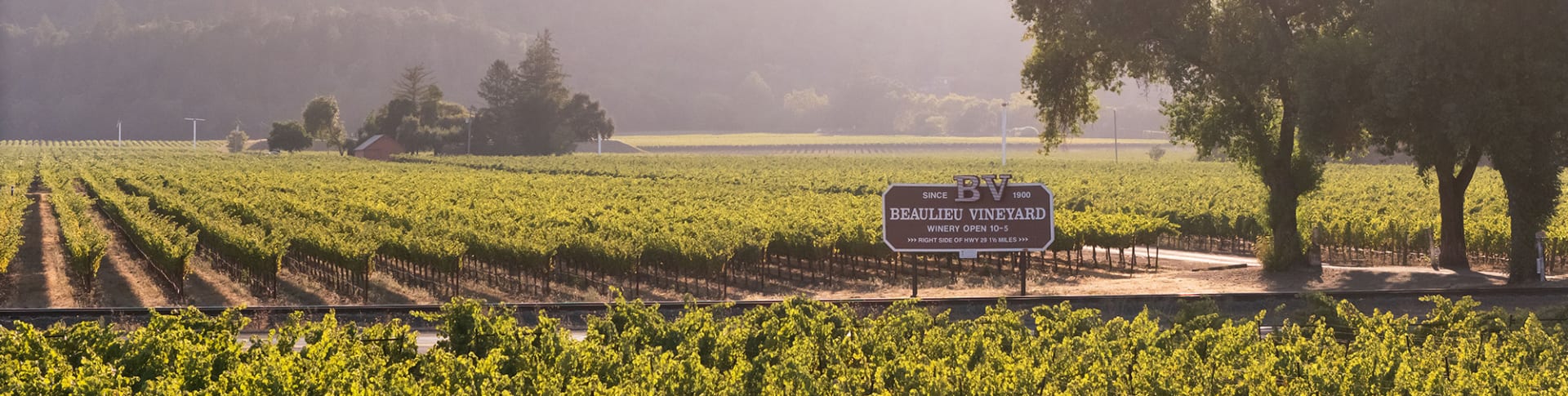




One of the most prestigious wines of the world capable of great power and grace, Napa Valley Cabernet is a leading force in the world of fine, famous, collectible red wine. Today the Napa Valley and Cabernet Sauvignon are so intrinsically linked that it is difficult to discuss one without the other. But it wasn’t until the 1970s that this marriage came to light; sudden international recognition rained upon Napa with the victory of the Stag’s Leap Wine Cellars 1973 Cabernet Sauvignon in the 1976 Judgement of Paris.
Cabernet Sauvignon undoubtedly dominates Napa Valley today, covering half of the land under vine, commanding the highest prices per ton and earning the most critical acclaim. Cabernet Sauvignon’s structure, acidity, capacity to thrive in multiple environs and ability to express nuances of vintage make it perfect for Napa Valley where incredible soil and geographical diversity are found and the climate is perfect for grape growing. Within the Napa Valley lie many smaller sub-AVAs that express specific characteristics based on situation, slope and soil—as a perfect example, Rutherford’s famous dust or Stags Leap District's tart cherry flavors.