


Winemaker Notes
Professional Ratings
-
Wine Enthusiast
A soft, voluptuous quality immediately identifies this wine as pedigreed and delicious. The tannins are evident in the astringency, but they’re so finely ground that you could drink this wine now. Made mostly from Cabernet Sauvignon, it has a drop of Syrah, giving it rich, elaborate flavors of black currant, bacon and sweet cedar. The alcohol level is high, giving the wine some heat on the finish. Drink now–2019.
-
Wine Spectator
Bold, rich and concentrated, focused on a dense core of blackberry, cherry, red and black licorice. Firmly tannic and chewy, with subtle earthy notes at the foundation. Best from 2014 through 2026.
-
Robert Parker's Wine Advocate
The 2009 Cabernet Sauvignon Private Reserve Georges de Latour has closed down since bottling, but it is clearly well-made with an attractive deep ruby/plum/purple color, sweet toasty oak, hints of jammy black cherries and black currants, moderately high tannins, and a broodingly backward, tannic profile. Currently in a dormant state, this 2009 should be decanted for several hours prior to drinking. It should emerge in 5-6 years and last for 15-20 years.
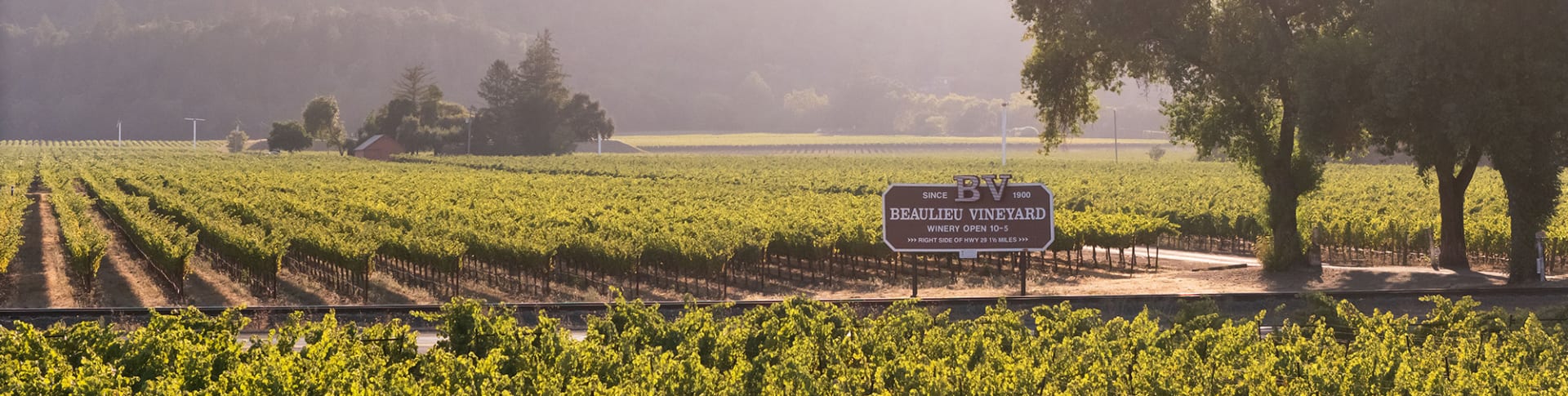




One of the most prestigious wines of the world capable of great power and grace, Napa Valley Cabernet is a leading force in the world of fine, famous, collectible red wine. Today the Napa Valley and Cabernet Sauvignon are so intrinsically linked that it is difficult to discuss one without the other. But it wasn’t until the 1970s that this marriage came to light; sudden international recognition rained upon Napa with the victory of the Stag’s Leap Wine Cellars 1973 Cabernet Sauvignon in the 1976 Judgement of Paris.
Cabernet Sauvignon undoubtedly dominates Napa Valley today, covering half of the land under vine, commanding the highest prices per ton and earning the most critical acclaim. Cabernet Sauvignon’s structure, acidity, capacity to thrive in multiple environs and ability to express nuances of vintage make it perfect for Napa Valley where incredible soil and geographical diversity are found and the climate is perfect for grape growing. Within the Napa Valley lie many smaller sub-AVAs that express specific characteristics based on situation, slope and soil—as a perfect example, Rutherford’s famous dust or Stags Leap District's tart cherry flavors.