


Winemaker Notes
This perfumed nose holds spice notes of clove, anise and cinnamon underlaid by lilac, lavender and cherry wood aromatics. The mouth is focused and structured with long tannins laced with chocolate nibs, sweet bing cherries and rich notes of dried fig and black tea.
Professional Ratings
-
James Suckling
Attractive ripe and pure red cherry fruit that is nicely framed in spice, conifer-forest and sweet-earth elements. The palate has a bold heart of concentrated red-cherry flavor and delivers a bold, youthful and succulent finish. Impressive. Drink or hold.
-
Robert Parker's Wine Advocate
Made with a higher proportion of whole cluster than some of the other Pinot Noirs from Ponzi, the 2017 Pinot Noir Reserve Estate Grown has a medium ruby color and pretty scents of blackberries, red cherries, dusty earth and dried flowers. The medium-bodied palate is grainy and refreshing with spicy fruit and a long finish. Best After 2023
-
Wine Enthusiast
A refined, almost delicate sensibility is at work here. This is the most Burgundian of the high-end Ponzi Pinots, young and fresh and racy and tight. The bright raspberry and cherry fruit is compact and set up with balanced acidity and proportionate, ripened tannins. Notes of herb and citrus are in the background, as is the impact of aging in 30% new French oak. Drink 2024–2030. Cellar Selection.
-
Wine Spectator
Expressive and elegantly layered, with vibrant cherry and raspberry flavors that are laced with Asian tea and spice notes. Drink now.
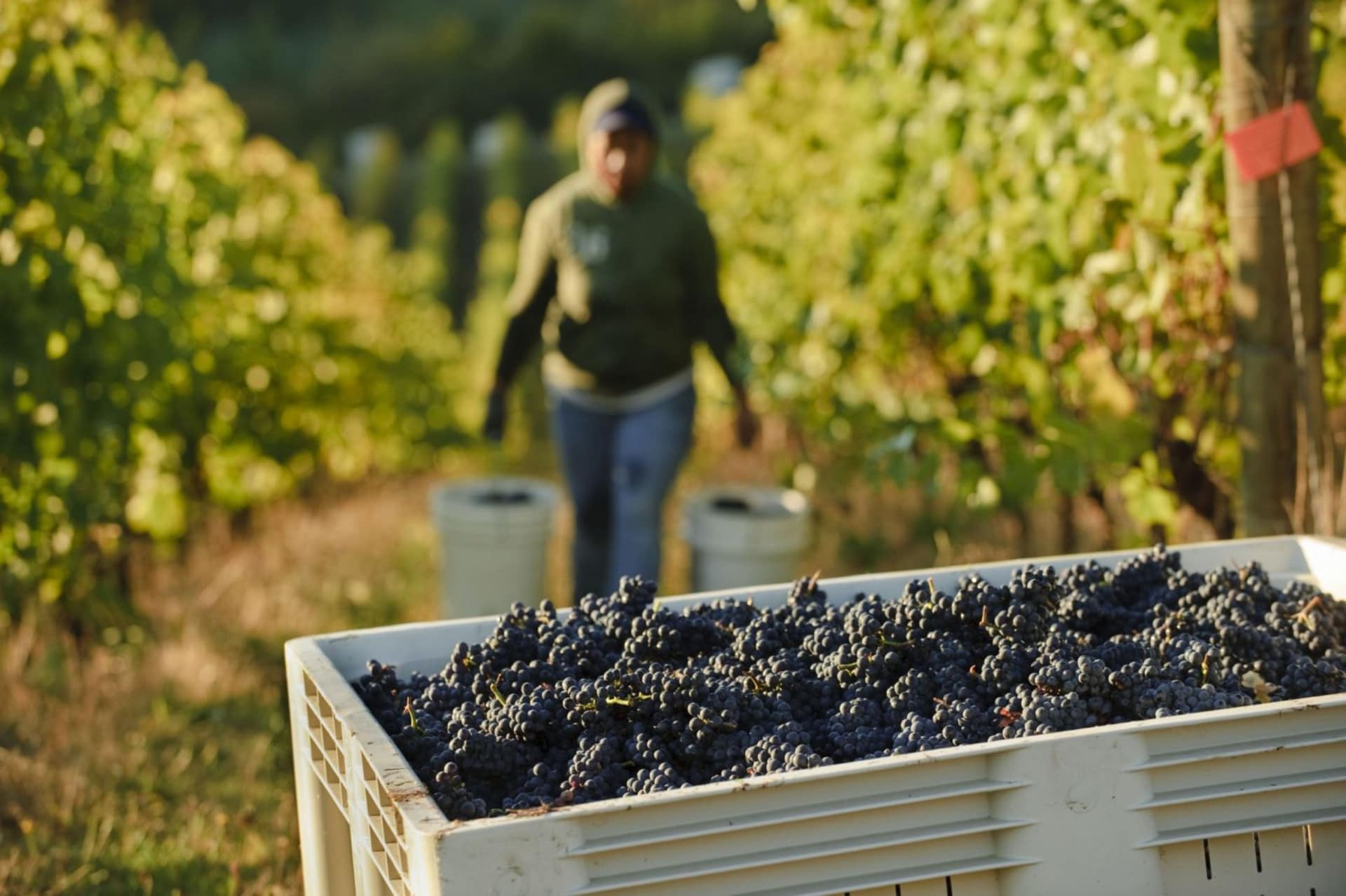




Thin-skinned, finicky and temperamental, Pinot Noir is also one of the most rewarding grapes to grow and remains a labor of love for some of the greatest vignerons in Burgundy. Fairly adaptable but highly reflective of the environment in which it is grown, Pinot Noir prefers a cool climate and requires low yields to achieve high quality. Outside of France, outstanding examples come from in Oregon, California and throughout specific locations in wine-producing world. Somm Secret—André Tchelistcheff, California’s most influential post-Prohibition winemaker decidedly stayed away from the grape, claiming “God made Cabernet. The Devil made Pinot Noir.”

The Chehalem Mountains is a northwest-southeast span of several distinct mountains, ridges and peaks in the northern part of the Willamette Valley. Of all of Willamette Valley's smaller AVAs, it is closest to the city of Portland. Its highest summit, Bald Peak at an elevation of 1,633 feet, serves to generate cooler air for the rest of the AVA and its hillside vineyards. The region covers 70,000 acres but only 1,600 acres are planted to vines; soils of the Chehalem Mountains are a mix of basalt, ocean sediment and loess.