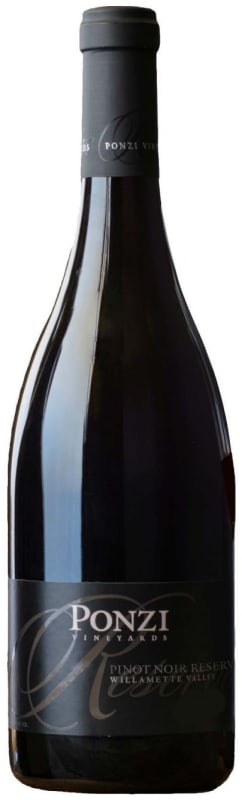


Winemaker Notes
Professional Ratings
-
Wine Enthusiast
This bottling spent 20 months in French oak (30% new), and incorporates fruit from Ponzi's Aurora, Abetina and Madrona vineyards. Superripe aromas and flavors conjure up a rich and riveting mix of black cherry with amaro-like botanical nuances. This profound wine is already irresistible, but stash a few bottles in your cellar, to drink now through 2030.Cellar Selection
-
Wine Spectator
Fresh, focused and open-textured, layering plum, currant and crème fraîche flavors with the utmost delicacy. A light nudge of tannins underlines the impressively persistent finish. Drink now through 2023. 1,250 cases made.
-
James Suckling
Dried-strawberry, stone and slate aromas follow through to a medium body, tight tannins and hints of cedar and caramel. Fresh finish.
-
Robert Parker's Wine Advocate
The 2013 Pinot Noir Reserve come from Ponzi's oldest vines and is matured in 30% new French oak for 20 months. It has a well-defined and vivacious bouquet with red cherries, bergamot and a touch of menthol coming through with aeration. The palate is medium-bodied with an appealing and soft entry, but there is decent structure here and it becomes more "masculine" towards the finish, which has a just the right amount of spiciness to give it a kick - a ferrous aftertaste lingering in the mouth.
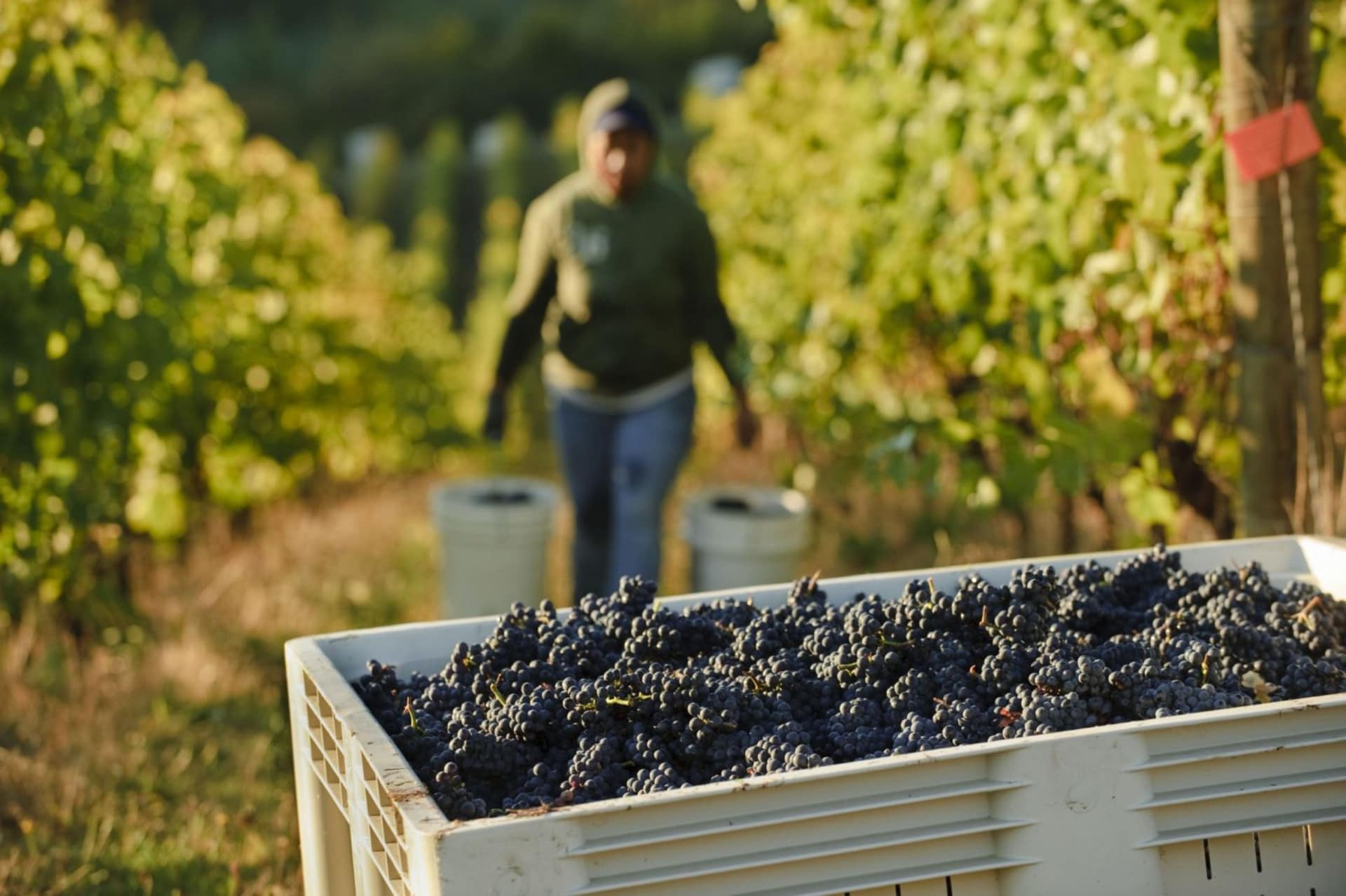



Thin-skinned, finicky and temperamental, Pinot Noir is also one of the most rewarding grapes to grow and remains a labor of love for some of the greatest vignerons in Burgundy. Fairly adaptable but highly reflective of the environment in which it is grown, Pinot Noir prefers a cool climate and requires low yields to achieve high quality. Outside of France, outstanding examples come from in Oregon, California and throughout specific locations in wine-producing world. Somm Secret—André Tchelistcheff, California’s most influential post-Prohibition winemaker decidedly stayed away from the grape, claiming “God made Cabernet. The Devil made Pinot Noir.”

The Chehalem Mountains is a northwest-southeast span of several distinct mountains, ridges and peaks in the northern part of the Willamette Valley. Of all of Willamette Valley's smaller AVAs, it is closest to the city of Portland. Its highest summit, Bald Peak at an elevation of 1,633 feet, serves to generate cooler air for the rest of the AVA and its hillside vineyards. The region covers 70,000 acres but only 1,600 acres are planted to vines; soils of the Chehalem Mountains are a mix of basalt, ocean sediment and loess.