
Winemaker Notes
This wine meets requirements for the Oregon Certified Sustainable Wine program for responsible agriculture and winemaking practices certified by an independent third party.
Notes of coffee, molasses and tobacco, fresh blackberry and sandalwood define this nose. The sweet mouth of lavender, dark spiced cherry and caramel lead to a long finish of present tannin.
Professional Ratings
-
Tasting Panel
An old-timer that can still deliver the goods, lush and juicy; long, elegant and lively with excellent balance.
-
Wine Spectator
Light and refreshing, with delicate, zingy acidity under ripe currant and plum flavors, persisting gently and expressively on the transparent finish. Drink now through 2018
-
Robert Parker's Wine Advocate
Piquancy of fruit pit, herbal overtones, and a horseradish-like bite to its sustained finish, all inflecting a fundament of juicy, sappy, slightly tart fundament of cherry and cranberry. Fine but noticeable tannins contribute to the wine’s overall sense of invigoration
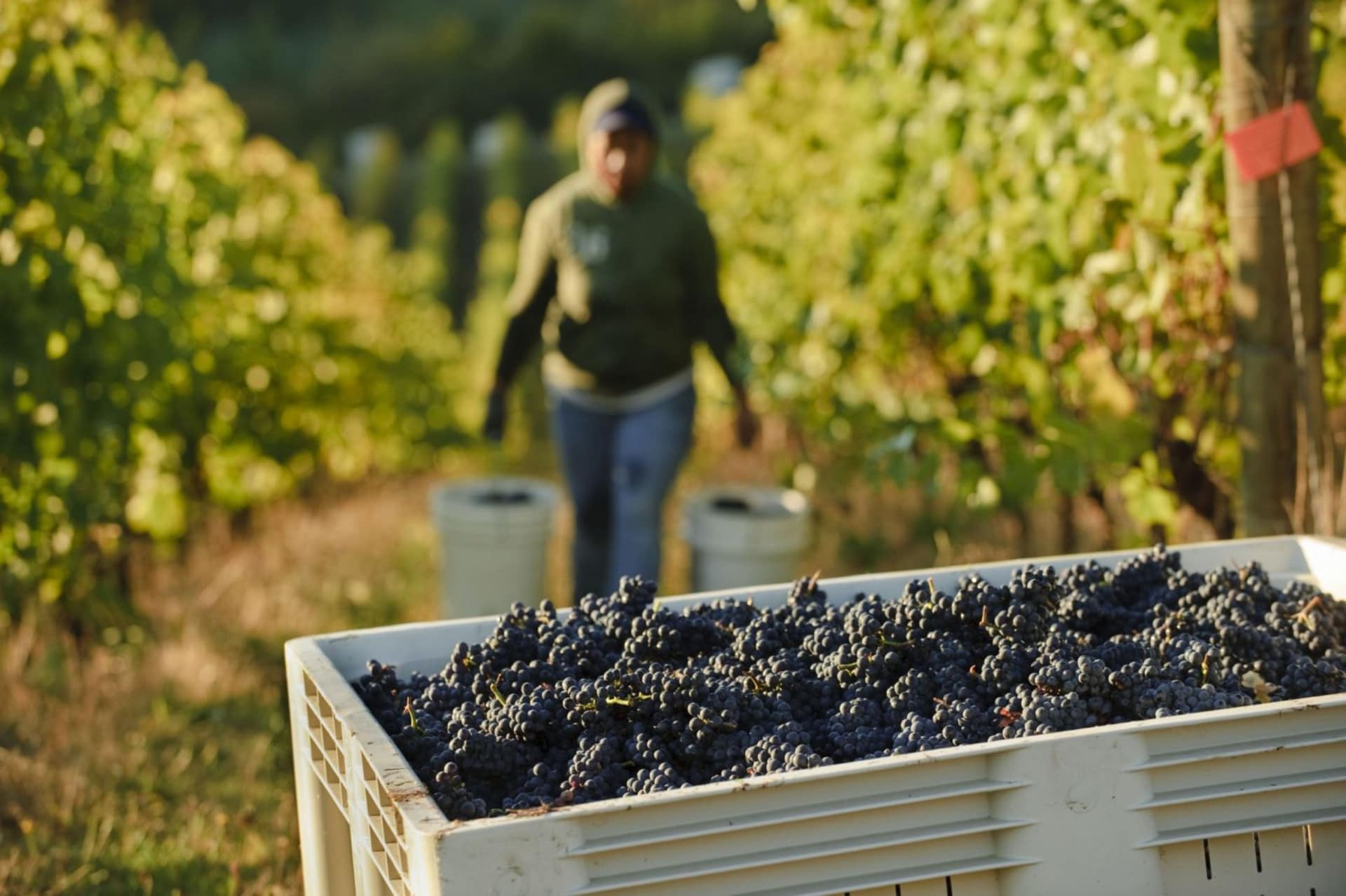



Thin-skinned, finicky and temperamental, Pinot Noir is also one of the most rewarding grapes to grow and remains a labor of love for some of the greatest vignerons in Burgundy. Fairly adaptable but highly reflective of the environment in which it is grown, Pinot Noir prefers a cool climate and requires low yields to achieve high quality. Outside of France, outstanding examples come from in Oregon, California and throughout specific locations in wine-producing world. Somm Secret—André Tchelistcheff, California’s most influential post-Prohibition winemaker decidedly stayed away from the grape, claiming “God made Cabernet. The Devil made Pinot Noir.”

The Chehalem Mountains is a northwest-southeast span of several distinct mountains, ridges and peaks in the northern part of the Willamette Valley. Of all of Willamette Valley's smaller AVAs, it is closest to the city of Portland. Its highest summit, Bald Peak at an elevation of 1,633 feet, serves to generate cooler air for the rest of the AVA and its hillside vineyards. The region covers 70,000 acres but only 1,600 acres are planted to vines; soils of the Chehalem Mountains are a mix of basalt, ocean sediment and loess.