

Winemaker Notes
Professional Ratings
-
Robert Parker's Wine Advocate
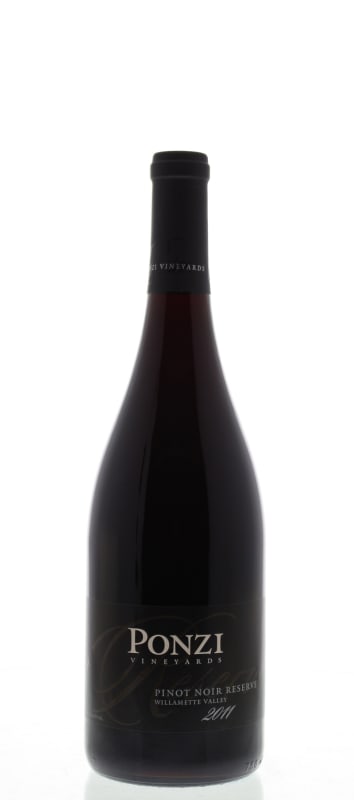
Originating primarily with loess-based estate sites in the Chehalem A.V.A., in particular (as is often the case) the multi-clonal, old vines Abetina planted in 1975 as a test site, Ponzi’s 2011 Pinot Noir Reserve also includes a bit of Gran Moraine from Yamhill-Carlton. It spend a surprising 20 months in barrel, but was none the worse for wear either from that experience nor from its having therefore been bottled only shortly before I tasted it in July. (It did however benefit from aeration.) Tamarind, sassafras, licorice and caramelized resin from barrel inflect dark berries on the nose as well as a palate that is richer than in the corresponding “regular” bottling, although it lacks that wine’s winsome saline savor. Instead, here is one of those instances in 2011 where we have a strikingly appealing sort of cyanic glow to the finish. I would tentatively plan to enjoy this through 2018.
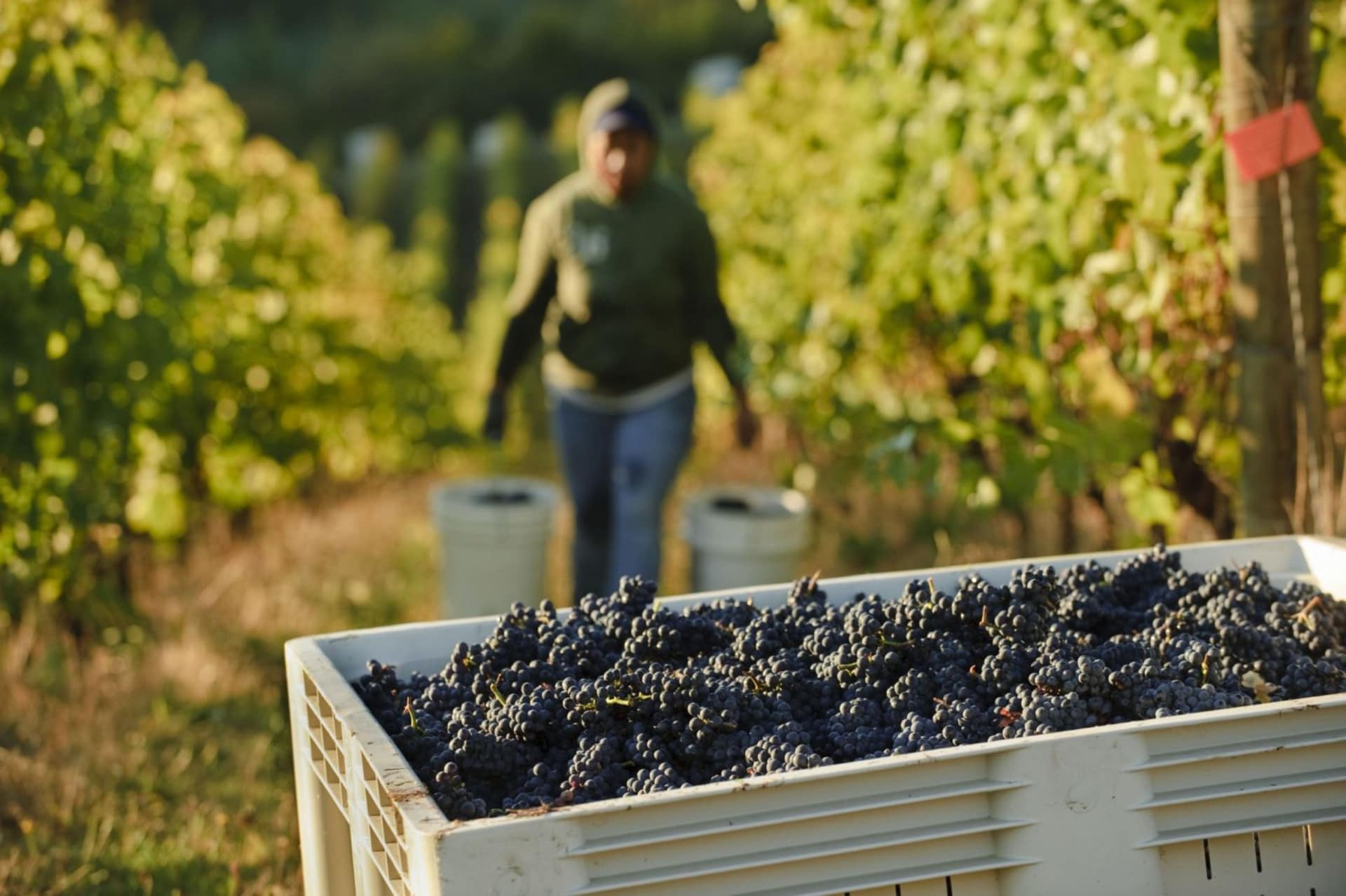



Thin-skinned, finicky and temperamental, Pinot Noir is also one of the most rewarding grapes to grow and remains a labor of love for some of the greatest vignerons in Burgundy. Fairly adaptable but highly reflective of the environment in which it is grown, Pinot Noir prefers a cool climate and requires low yields to achieve high quality. Outside of France, outstanding examples come from in Oregon, California and throughout specific locations in wine-producing world. Somm Secret—André Tchelistcheff, California’s most influential post-Prohibition winemaker decidedly stayed away from the grape, claiming “God made Cabernet. The Devil made Pinot Noir.”

The Chehalem Mountains is a northwest-southeast span of several distinct mountains, ridges and peaks in the northern part of the Willamette Valley. Of all of Willamette Valley's smaller AVAs, it is closest to the city of Portland. Its highest summit, Bald Peak at an elevation of 1,633 feet, serves to generate cooler air for the rest of the AVA and its hillside vineyards. The region covers 70,000 acres but only 1,600 acres are planted to vines; soils of the Chehalem Mountains are a mix of basalt, ocean sediment and loess.