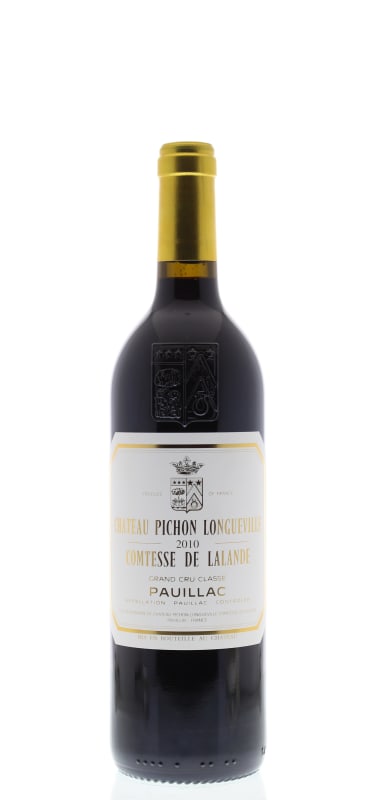


Winemaker Notes
Professional Ratings
-
Decanter
Silky, sweet black fruit, black olive and truffle notes from the start. This is majestically impressive - it sparks to life in your mouth and breaks out an involuntary smile. The texture is just liquid silk and it slowly but surely builds through the palate, gaining in confidence and totally delightful. Bright, vibrant tannins make the most of the high levels of acidity that were available in 2010, while matching them pace for pace with concentrated fruit. For me this is getting better as it ages, starting to rival the 1982 at Comtesse, and I can't wait to keep tasting it over the decades to come. Last time I rated this wine, in 2016, I gave it 98 points, and I questioned whether to keep it there, which is already an exceptional score, but I want to mark just how clearly it stood out in this horizontal. 60% new oak.
-
Jeb Dunnuck
Gorgeous as well and on another level, the 2010 Château Pichon Longueville Comtesse De Lalande is darker-hued with powerful aromatics of blackcurrants, leafy herbs, tobacco leaf, and chocolate. Full-bodied and round, it offers a lush, layered, and sexy profile on the palate, with a seamless mouthfeel, fine-grained tannins, and fabulous length. Based on 66% Cabernet Sauvignon, 24% Merlot, 7% Cabernet Franc, and the balance Petit Verdot, this seems to have turned the corner and is now showing its full potential.
-
Wine Enthusiast
With signs of new wood on the palate, this is a wine that maintains the polished feel of the wines from Pichon Lalande. It has a stronger presence of Cabernet Sauvignon in the blend than in the past, making it more structured than its predecessors, with a dominance of black currant flavor. It shows the soft side of the vintage, but is also meant for aging. Cellar Selection.
-
James Suckling
This is a pretty and refined Pichon Lalande. Aromas of blueberries and blackberries with hints of earth and mushrooms. Full body, with velvety tannins and a juicy finish. I slightly prefer the 2009. Better in 2017.
-
Robert Parker's Wine Advocate
Deep garnet colored, the 2010 Pichon Longueville Comtesse de Lalande gives up notes of warm cassis, blueberry pie and kirsch with wafts of cedar chest, pencil lead, charcoal and charcuterie plus a hint of wild thyme. Medium to full-bodied, the savory-inspired palate possesses a fair bit of chew with a lively backbone and firm finish.
-
Wine Spectator
This features an intense core of plush-textured blackberry, boysenberry and black currant fruit, steeped with mulled spice, singed apple wood and anise notes. A strong, loamy feel courses through the finish, with latent grip. Very solid, but not where this wine should be in this vintage. Best from 2015 through 2030.
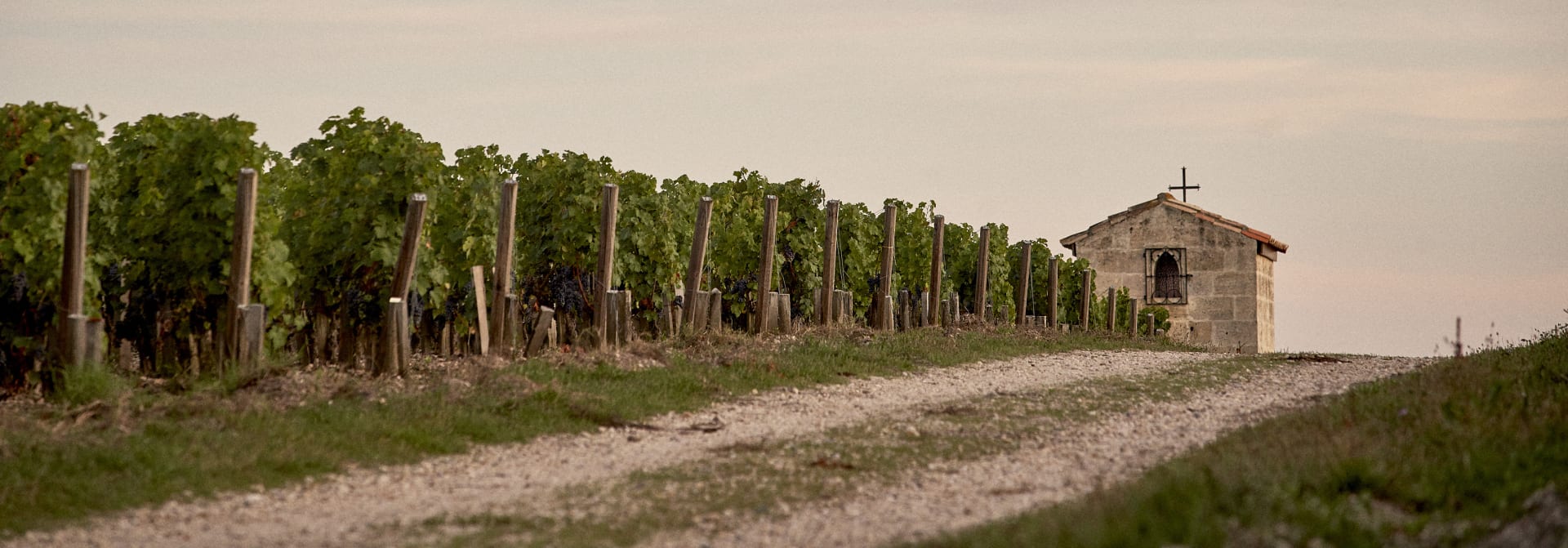


Ideally located in the southern part of Pauillac, on the banks of the Gironde Estuary, Château Pichon Longueville Comtesse de Lalande, a second growth in the 1855 classification, boasts an outstanding terroir. Here, Cabernet Sauvignon is king, blending perfectly with Merlot, Cabernet Franc and Petit Verdot to create classy and complex wines.
The Pichon Longueville estate goes back to 1689. In 1850, Virginie de Pichon Longueville, Comtesse de Lalande, and her two sisters inherited three-fifths of the vineyard from their father. This took on the name of Chateau Pichon Longueville Comtesse de Lalande. In 1978, May-Eliane de Lencquesaing, daughter of Edouard Miailhe, in turn inherited this beautiful property and devoted herself entirely to continuing the tradition of quality wine. In 2007, Pichon Comtesse is purchased by Champagne Louis Roederer and joined the Roederer Collection. Since then, the independent family group has injected an innovative and ambitious spirit into this emblematic estate. From building modern technical installations to restructuring the vineyard, which is now grown 100% organically, every effort is made to help the terroir of Pichon Comtesse express itself serenely with power and elegance.
Just three families have been responsible for maintaining this wine's superb reputation for three centuries. The international reputation of this "Super Second" Growth can be attributed to unfailing quality and dynamic owners.

One of the world’s most classic and popular styles of red wine, Bordeaux-inspired blends have spread from their homeland in France to nearly every corner of the New World. Typically based on either Cabernet Sauvignon or Merlot and supported by Cabernet Franc, Malbec and Petit Verdot, the best of these are densely hued, fragrant, full of fruit and boast a structure that begs for cellar time. Somm Secret—Blends from Bordeaux are generally earthier compared to those from the New World, which tend to be fruit-dominant.

The leader on the Left Bank in number of first growth classified producers within its boundaries, Pauillac has more than any of the other appellations, at three of the five. Chateau Lafite Rothschild and Mouton Rothschild border St. Estephe on its northern end and Chateau Latour is at Pauillac’s southern end, bordering St. Julien.
While the first growths are certainly some of the better producers of the Left Bank, today they often compete with some of the “lower ranked” producers (second, third, fourth, fifth growth) in quality and value. The Left Bank of Bordeaux subscribes to an arguably outdated method of classification that goes back to 1855. The finest chateaux in that year were judged on the basis of reputation and trading price; changes in rank since then have been miniscule at best. Today producers such as Chateau Pontet-Canet, Chateau Grand Puy-Lacoste, Chateau Lynch-Bages, among others (all fifth growth) offer some of the most outstanding wines in all of Bordeaux.
Defining characteristics of fine wines from Pauillac (i.e. Cabernet-based Bordeaux Blends) include inky and juicy blackcurrant, cedar or cigar box and plush or chalky tannins.
Layers of gravel in the Pauillac region are key to its wines’ character and quality. The layers offer excellent drainage in the relatively flat topography of the region allowing water to run off into “jalles” or streams, which subsequently flow off into the Gironde.