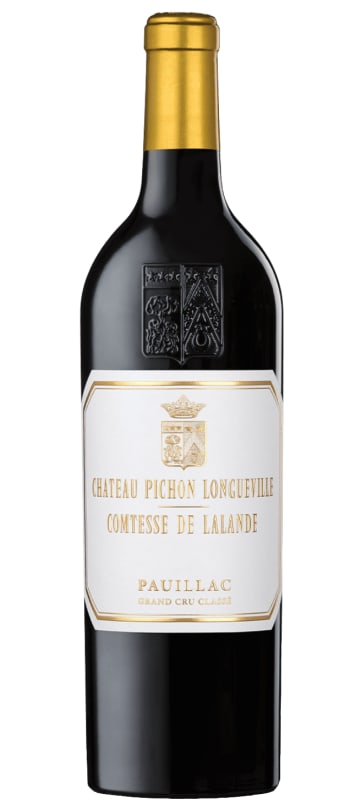


Winemaker Notes
The nose is dominated by aromas of pink roses, evolving towards fruitier notes of raspberry and blackcurrant jelly, as well as floral and mineral nuances of rosewood, lemon verbena and cedar, culminating in iris overtones (root and flower). Generous, concentrated and subtle on the palate, revealing blackcurrant and dark tobacco flavors. Powerful and full-bodied, it reveals long-lasting powdery tannins and notes of black tea and cocoa.
Blend: 83% Cabernet Sauvignon, 14% Merlot, 3% Cabernet Franc
This wine does not include the blanket 10% tariff imposed in April 2025. When the wines are shippable in fall of 2027, customers will have the option to pay any tariff in place at the time or to keep their wines stored in a temperature-controlled facility free of charge in France.
Professional Ratings
-
Decanter
This wine offers pure, sophisticated aromatics of blueberries, blackcurrants, peony, and iris, with crayon and inky notes. Smooth and silky, it delivers great energy and intensity, balancing delicate chew, fleshiness, and fine, muscular tannins. Structured yet tight, it reveals iodine, salty graphite, cool blue fruit, mint, and cola. The texture grows on the second taste, gaining mass and flesh, with juicy sweetness on the mid-palate, evolving into a chewy finish. Tobacco, clove, licorice, dark chocolate, and cedar add complexity. Mouthwatering acidity and precise balance showcase Nicolas Glumineau's skill, creating a svelte, energetic wine with a lot going on.
Barrel Sample: 96 -
Jeb Dunnuck
The Grand Vin from this reference point Pauillac château, the 2024 Château Pichon Longueville Comtess De Lalande checks in as 83% Cabernet Sauvignon, 14% Merlot, and 3% Cabernet Franc hitting 12.7% alcohol with a pH of 3.7 and an IPT of 70. Beautiful Cabernet Sauvignon notes of cassis, graphite, freshly sharpened pencil, and crushed stone all define the aromatics, and it hits the palate with medium-bodied richness, a concentrated, layered, wonderfully textured mouthfeel, ripe tannins, and outstanding length.
Barrel Sample: 94-96 -
James Suckling
The length and linear nature of this wine make it outstanding. Medium-bodied with polished and refined tannins that caress the palate. Extremely well done. The length and finesse are impressive.
Barrel Sample: 95-96 -
Vinous
The 2024 Pichon-Longueville Comtesse de Lalande is plush, sensual and inviting. Succulent dark-toned fruit, sweet spice, new leather, mocha, chocolate and lavender build nicely. Here, too, the tannins are so polished, so refined. The 2024 is an especially elegant Pichon-Comtesse. It’s also very clearly one of the wines of the vintage. Bravo. Tasted four times. –Antonio Galloni
Barrel Sample: 94-96 -
Robert Parker's Wine Advocate
The 2024 Pichon Longueville Comtesse de Lalande offers up attractive aromas of cassis, burning embers, tobacco leaf and fresh mint, followed by a medium to full-bodied, ample and polished palate that's seamless and suave, concluding with a moderately persistent finish. A blend of 83% Cabernet Sauvignon, 14% Merlot and 3% Cabernet Franc that attained 12.7% alcohol, it's a charming effort that will offer a broad drinking window.
Barrel Sample: 91-93
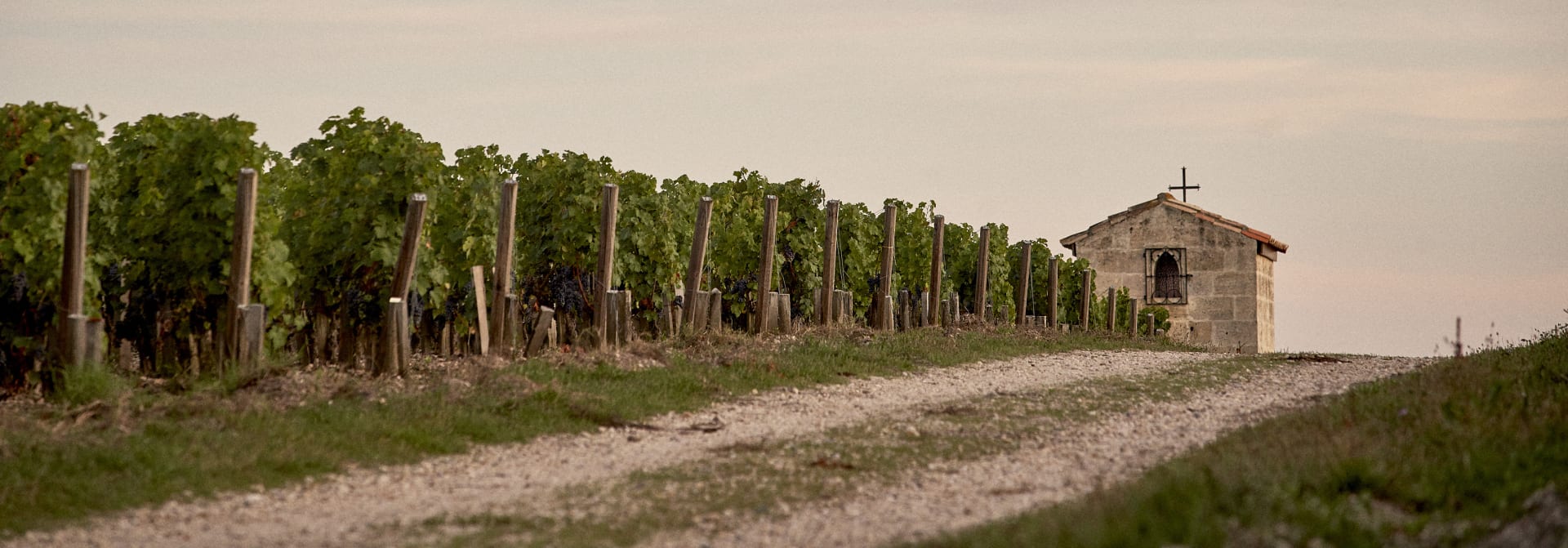


Ideally located in the southern part of Pauillac, on the banks of the Gironde Estuary, Château Pichon Longueville Comtesse de Lalande, a second growth in the 1855 classification, boasts an outstanding terroir. Here, Cabernet Sauvignon is king, blending perfectly with Merlot, Cabernet Franc and Petit Verdot to create classy and complex wines.
The Pichon Longueville estate goes back to 1689. In 1850, Virginie de Pichon Longueville, Comtesse de Lalande, and her two sisters inherited three-fifths of the vineyard from their father. This took on the name of Chateau Pichon Longueville Comtesse de Lalande. In 1978, May-Eliane de Lencquesaing, daughter of Edouard Miailhe, in turn inherited this beautiful property and devoted herself entirely to continuing the tradition of quality wine. In 2007, Pichon Comtesse is purchased by Champagne Louis Roederer and joined the Roederer Collection. Since then, the independent family group has injected an innovative and ambitious spirit into this emblematic estate. From building modern technical installations to restructuring the vineyard, which is now grown 100% organically, every effort is made to help the terroir of Pichon Comtesse express itself serenely with power and elegance.
Just three families have been responsible for maintaining this wine's superb reputation for three centuries. The international reputation of this "Super Second" Growth can be attributed to unfailing quality and dynamic owners.

One of the world’s most classic and popular styles of red wine, Bordeaux-inspired blends have spread from their homeland in France to nearly every corner of the New World. Typically based on either Cabernet Sauvignon or Merlot and supported by Cabernet Franc, Malbec and Petit Verdot, the best of these are densely hued, fragrant, full of fruit and boast a structure that begs for cellar time. Somm Secret—Blends from Bordeaux are generally earthier compared to those from the New World, which tend to be fruit-dominant.

The leader on the Left Bank in number of first growth classified producers within its boundaries, Pauillac has more than any of the other appellations, at three of the five. Chateau Lafite Rothschild and Mouton Rothschild border St. Estephe on its northern end and Chateau Latour is at Pauillac’s southern end, bordering St. Julien.
While the first growths are certainly some of the better producers of the Left Bank, today they often compete with some of the “lower ranked” producers (second, third, fourth, fifth growth) in quality and value. The Left Bank of Bordeaux subscribes to an arguably outdated method of classification that goes back to 1855. The finest chateaux in that year were judged on the basis of reputation and trading price; changes in rank since then have been miniscule at best. Today producers such as Chateau Pontet-Canet, Chateau Grand Puy-Lacoste, Chateau Lynch-Bages, among others (all fifth growth) offer some of the most outstanding wines in all of Bordeaux.
Defining characteristics of fine wines from Pauillac (i.e. Cabernet-based Bordeaux Blends) include inky and juicy blackcurrant, cedar or cigar box and plush or chalky tannins.
Layers of gravel in the Pauillac region are key to its wines’ character and quality. The layers offer excellent drainage in the relatively flat topography of the region allowing water to run off into “jalles” or streams, which subsequently flow off into the Gironde.