


Winemaker Notes
The bouquet of this wine expresses notes of blackcurrant, cherry and liquorice as well as a hint of minerals. Rich and complex, this wine maintains the balance between density and harmony, power and refinement, race and the precision of its tannins.
Professional Ratings
-
Robert Parker's Wine Advocate
The 2016 de Pez appears to be benefitting from a long-term replanting program at the estate. This is a blend of 53% Merlot, 42% Cabernet Sauvignon, 3.5% Petit Verdot and 1.5% Cabernet Franc. The IPT is quite high at 80, and there is 13.9% alcohol. It has a pure and comely bouquet with black cherries and blackcurrant pastilles, just a touch of crushed violets that emerge with time. The palate is really quite lovely: very well balanced with a fine line of acidity, quite saline in the mouth, perhaps the finest tannic structure that I have encountered during many years of tasting this Saint Estèphe, with a long persistent finish. Maybe this is the "dark horse" of the appellation this year.
Range: 92-94 -
James Suckling
St.-Estèphe is supposed to be a robust and hard wine, but this is elegant and sophisticated with fine, cassis and lemon-peel aromas, polished tannins and a long, rather delicate finish.
-
Wine Enthusiast
One of the many estates on the Pez plateau in Saint-Estèphe, this property is at the top of its game. Owned by the same proprietors as Pichon Longueville Comtesse de Lalande, the wine has structure, big tannins as well as dense black fruits.
-
Wine Spectator
This has a mix of red currant, dark plum and bitter cherry fruit flavors giving nice range from the start, while light tobacco, iron and singed alder notes check in as well. The taut finish has pebbly tannins and solid length. Cellar to let this unwind. Best from 2023 through 2033. Tasted twice, with consistent notes.
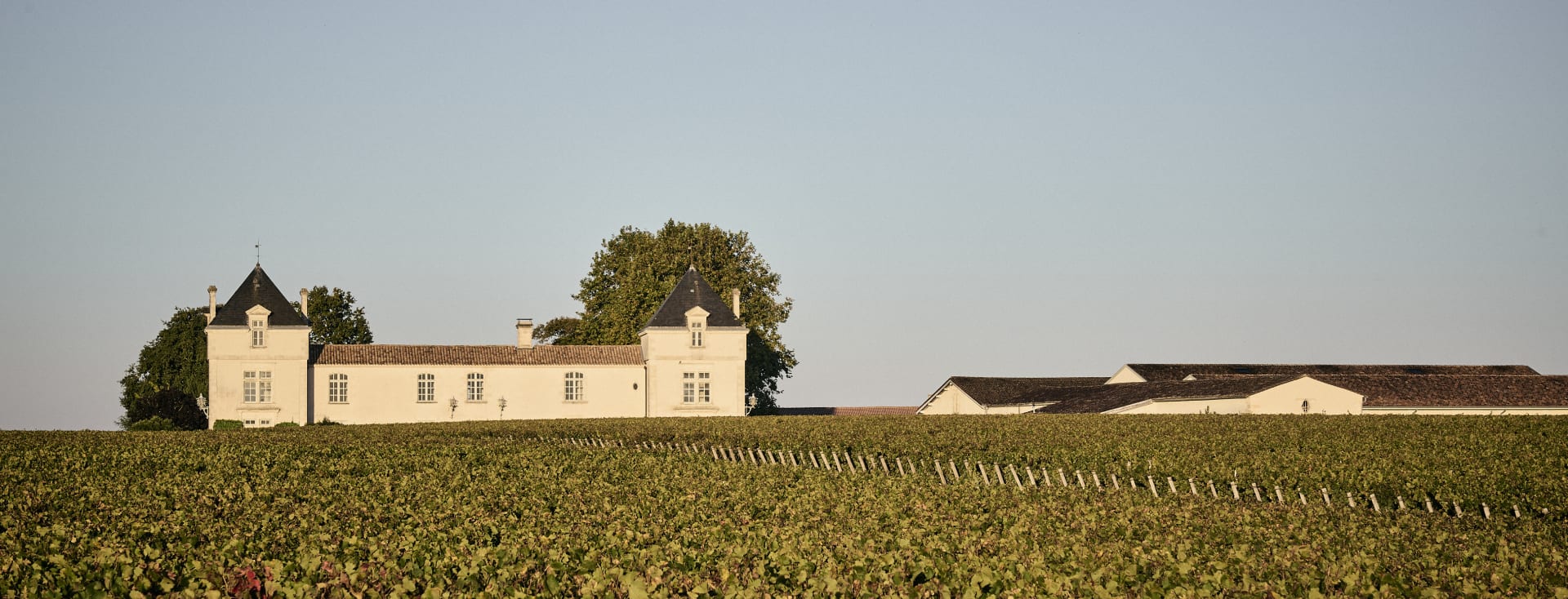




Located in the north of the Saint-Estèphe appellation, Château de Pez is one of the oldest properties in the appellation. Founded in the 15th century, it belonged to various iconic families including the Pontac family, founders of Château Haut Brion. Its vineyard of 42ha consists principally of a single plateau divided into perfectly exposed hilltops around the Château. Since 1995, Pez has been the property of Champagne Louis Roederer; a major renovation program carried out both in the vineyard and in the winery has made it possible to introduce new techniques worthy of a Bordeaux Classified Growth.
Under the direction of Nicolas Glumineau, Managing Director of Pichon Comtesse, Château de Pez is now experiencing a true revival, offering a wine that is distinguished by its aromatic complexity, delicacy and perfectly balanced structure.
The wine is matured in oak barrels during 15 to 18 months with 50% new oak.

One of the world’s most classic and popular styles of red wine, Bordeaux-inspired blends have spread from their homeland in France to nearly every corner of the New World. Typically based on either Cabernet Sauvignon or Merlot and supported by Cabernet Franc, Malbec and Petit Verdot, the best of these are densely hued, fragrant, full of fruit and boast a structure that begs for cellar time. Somm Secret—Blends from Bordeaux are generally earthier compared to those from the New World, which tend to be fruit-dominant.

Deeply colored, concentrated, and distinctive, St. Estephe is the go-to for great, age-worthy and reliable Bordeaux reds. Separated from Pauillac merely by a stream, St. Estephe is the farthest northwest of the highest classed villages of the Haut Medoc and is therefore subject to the most intense maritime influence of the Atlantic.
St. Estephe soils are rich in gravel like all of the best sites of the Haut Medoc but here the formation of gravel over clay creates a cooler atmosphere for its vines compared to those in the villages farther downstream. This results in delayed ripening and wines with higher acidity compared to the other villages.
While they can seem a bit austere when young, St. Estephe reds prove to live very long in the cellar. Traitionally dominated by Cabernet Sauvignon, many producers now add a significant proportion of Merlot to the blend, which will soften any sharp edges of the more tannic, Cabernet.
The St. Estephe village contains two second growths, Chateau Montrose and Cos d’Estournel.