


Winemaker Notes
Blend: 70% Pinot Bianco, 25% Chardonnay, 5% Sauvignon Blanc
Vegan-Friendly
Professional Ratings
-
James Suckling
This is a very linear white with tension and acidity that kicks off at the end, giving it fantastic energy and length. It’s medium- to full-bodied with sliced pineapple, lemon and green apple before a vibrant finish. Then there’s lemongrass and tarragon undertones. Complex and complete. 60% pinot bianco, 30% chardonnay and 10% sauvignon blanc. Better after 2025 but already exciting to drink.
-
Wine Enthusiast
Aromas of warmed pears dusted with spice, delicate white flowers, and the zest of lemon, lime and kumquat. Invigorating acidity leads the way on the palate with pristine orchard fruits lifted by citrus oils, fresh herbs and a distinct flintness that culminates in the rejuvenation of not just the palate but the soul. Drink now–2045.
Cellar Selection -
Decanter
Pretty aromatics of hazelnut, beeswax and lifted floral notes, palate of yuzu, mandarin, preserved lemon and spice.
-
Vinous
The 2021 Terlaner Riserva Cuvée Nova Domus lifts up with an airy bouquet that blends ground ginger with dusty dried flowers, crushed green apples and spice aromas. This washes across the palate with silky textures and ripe orchard fruits. Sour citrus notes add contrast, guided by brisk acidity. The 2021 finishes full of youthful tension and lightly tannic, leaving a spicy sensation and a bitter lemon rind tinge that class the taster back to the glass.
-
Wine Spectator
A sleek, graceful white, with flavors of persimmon, pear and Marcona almond, plus mountain herb hints that gain momentum as they glide across the silky palate. Well-honed acidity provides fine, mouthwatering structure, and a rich streak of stone- and saline-laced minerality drives the lingering finish. Pinot Blanc, Chardonnay and Sauvignon Blanc. Drink now through 2031.




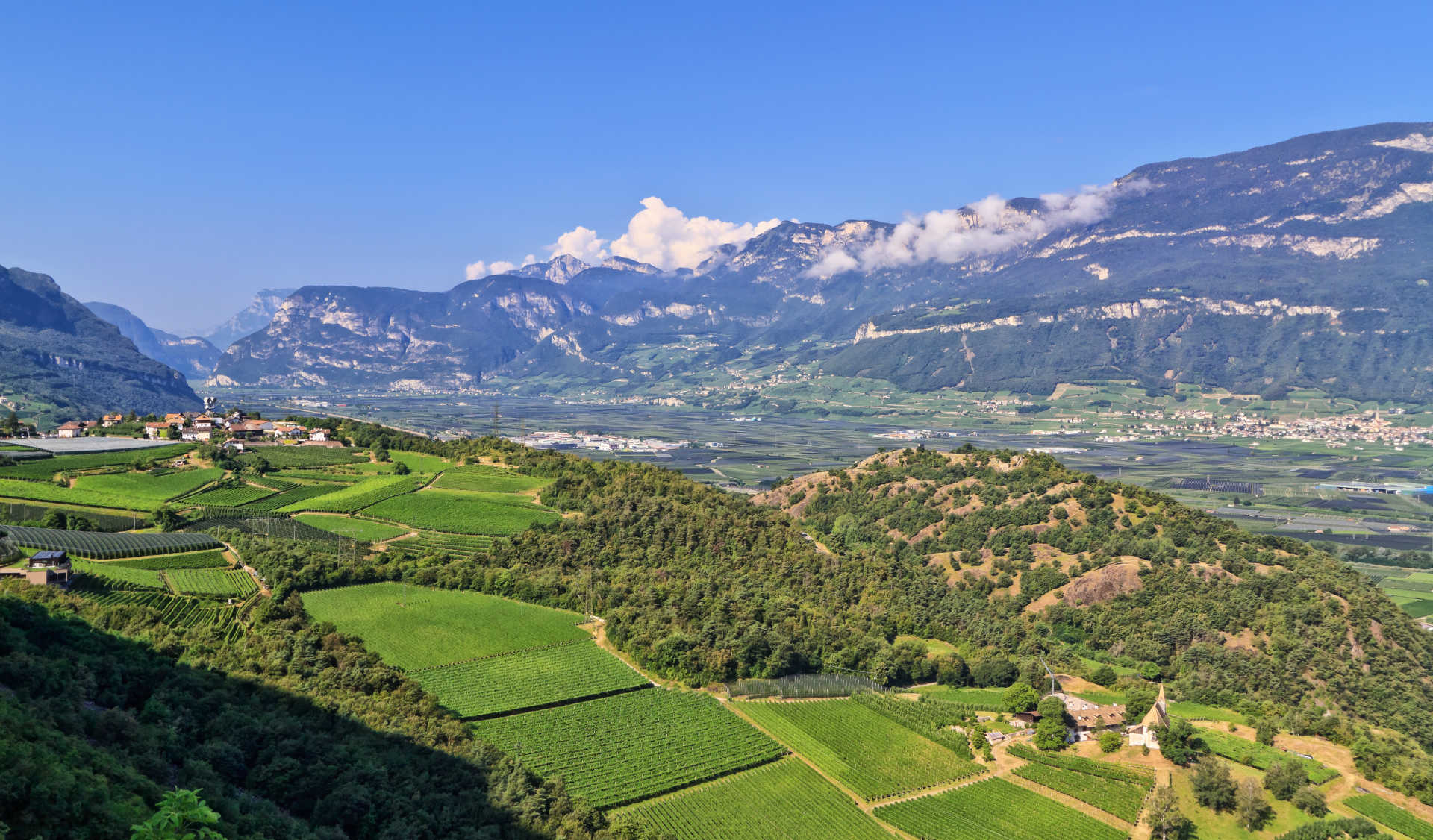
Located in the Dolomite Mountains in the foothills of the Alps, Terlano's distinctive location and extraordinary terroir are key to the development of their stunning, world-renowned wines. Situated in a sheltered hollow, Terlano benefits from an ideal south-facing exposure. Vineyard slopes ranging from 250m-900m ASL provide perfect conditions for the cultivation of grapes, especially Lagrein, a variety that is indigenous to the Alto Adige region. In the vineyard, red porphyry rocks with high mineral content retain the day's warmth, while the porous soil creates an environment with just enough moisture for the roots to extend deeper into this mineral-rich soil. In combination with cool evening temperatures, these factors create wines of incredible depth and potential for aging.
Founded in 1893, Cantina Terlano has grown into one of the leading wine growers' cooperatives in the Alto Adige region of northeastern Italy. With a current membership of 143 growers farming a total area of 165 hectares, Terlano ensures the highest standards of quality by compensating growers for the quality of their grapes not the quantity. The emphasis in the vineyard is on reducing yield in favor of producing more concentrated fruit.
Terlano produces 70 percent white wines and 30 percent red wines, all of them of DOC quality designation. Following a winery renovation in 2009, the cellars now include a total of 18,000m of storage space, which ensures that the wines can develop undisturbed. On the outside, the building has a natural exterior of red porphyry, the stone that gives the wines in the area their typical character. The roof of the winery is planted with vines so that the building blends in completely with the surrounding countryside.
Terlano wines are classified in four distinct quality lines: Tradition, Selection, Rarity and Primo. Terlano wines are famous for their incredible depth and complexity and their stellar reputation continues to make these wines highly sought after both at home and internationally.
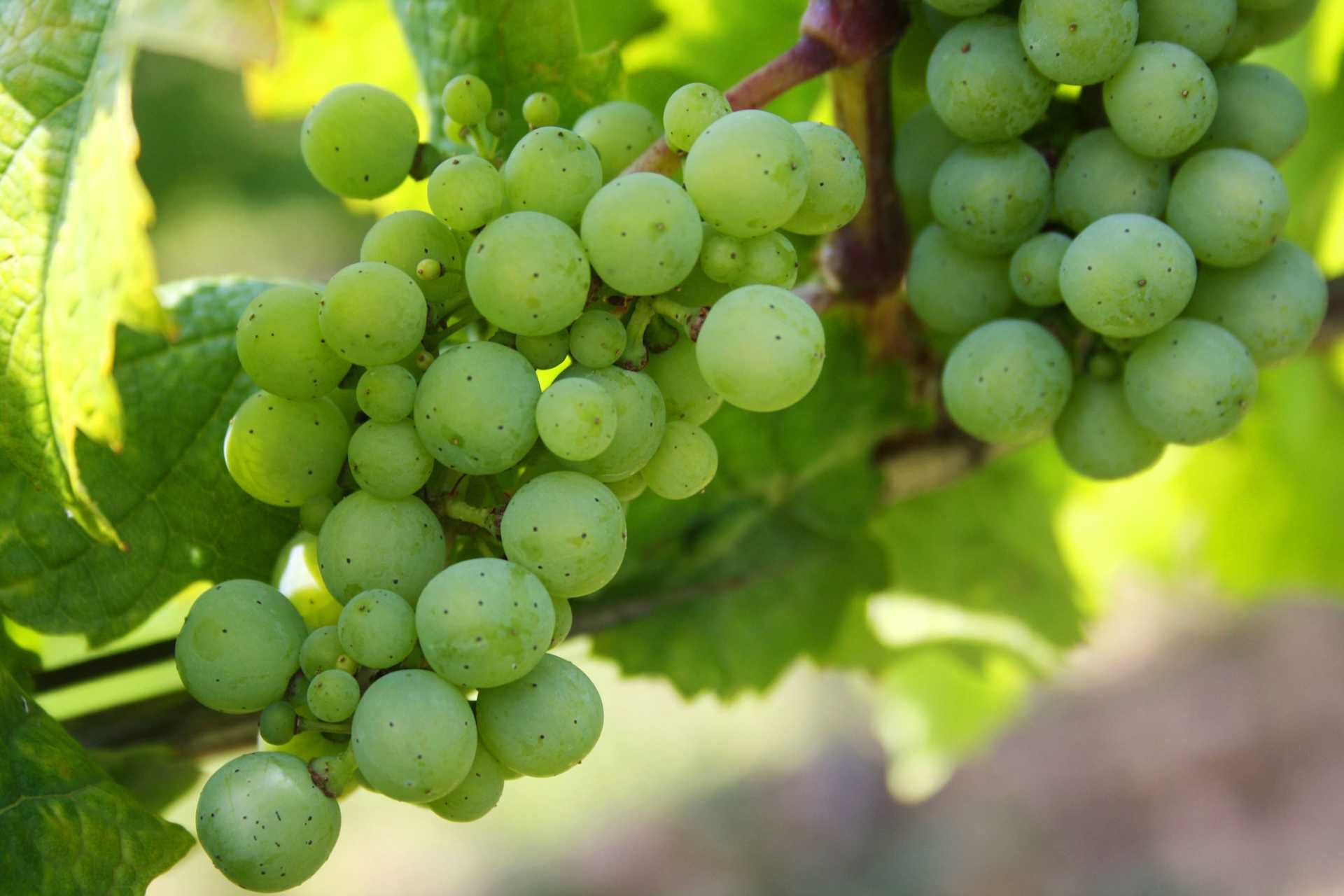
With hundreds of white grape varieties to choose from, winemakers have the freedom to create a virtually endless assortment of blended white wines. In many European regions, strict laws are in place determining the set of varieties that may be used in white wine blends, but in the New World, experimentation is permitted and encouraged. Blending can be utilized to enhance balance or create complexity, lending different layers of flavors and aromas. For example, a variety that creates a soft and full-bodied white wine blend, like Chardonnay, would do well combined with one that is more fragrant and naturally high in acidity. Sometimes small amounts of a particular variety are added to boost color or aromatics. Blending can take place before or after fermentation, with the latter, more popular option giving more control to the winemaker over the final qualities of the wine.
Wine by Region › Italy › Trentino-Alto Adige › Alto Adige
Taking full advantage of direct sunlight exposure on its steep slopes, many of Alto Adige’s best vineyards are planted at extreme altitude... read more