

Winemaker Notes
Enjoy with couscous with dried cherries, mushrooms and scallions or pair with roasted duck with a cherry demi-glace.
Professional Ratings
-
Robert Parker's Wine Advocate
Dark ruby/purple-hued with sweet black currant, spring flower, cedar and subtle earthy notes, the 2008 Cabernet Sauvignon Fay Vineyard Estate is a classic Napa Cabernet with both elegance and complexity. It can be drunk now or cellared for 12-14 years.
-
Connoisseurs' Guide
Of the three 2008 Stag's Leap offerings, the Fay impresses as the deepest and most complete, and, if never an especially brawny or extracted take on Cabernet, it conveys a nice sense of both substance and polish. Like its mates, it has a slight herbal twist to its ongoing themes of loam and cherries, and it similarly follows suit with the same in its supple and very approachable manner.
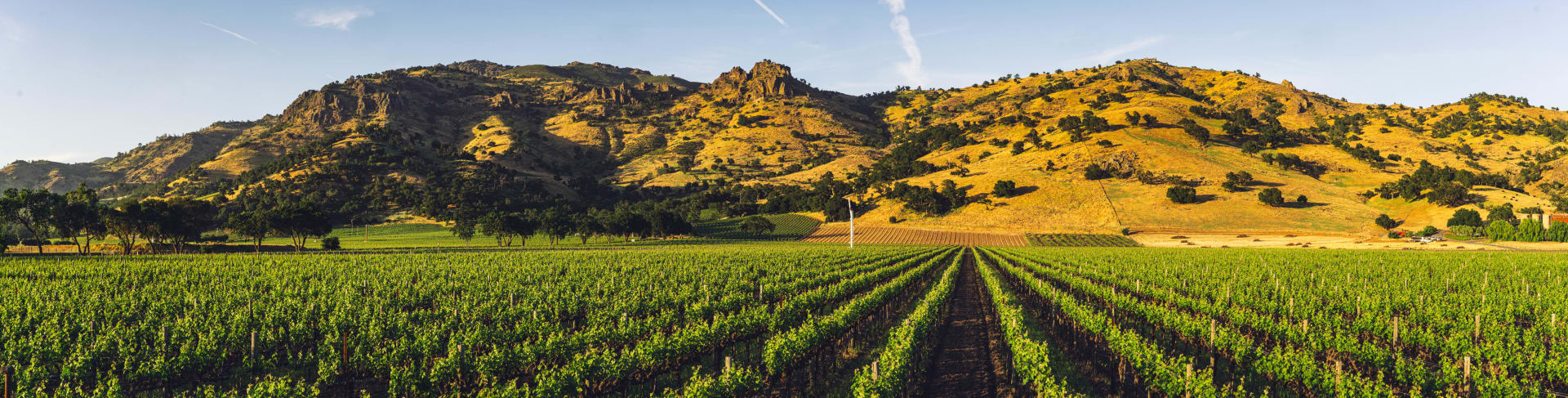




Considered one of the "first growths" of Napa Valley, Stag's Leap Wine Cellars produces renowned Cabernet Sauvignon from its historic Stags Leap District estate vineyards. Learn about Stags Leap history and estate-grown wines.
History of Stag’s Leap Wine Cellars
Stag’s Leap Wine Cellars was founded in 1970 with the purchase of a 40 acre property in the now famed Stag’s Leap District AVA in Napa Valley. The winery brought international recognition to California winemaking and the Napa Valley region when their 1973 S.L.V. Cabernet Sauvignon won the 1976 Paris Tasting, also known as the "Judgement of Paris."
Stag’s Leap Wine Cellars Estate-Grown Cabernet Sauvignon
Stag's Leap Wine Cellars' three estate-grown Cabernet Sauvignons - CASK 23, S.L.V. and Fay - are among the most highly regarded and collected Cabernet Sauvignons worldwide. The Cabernet wines are fashioned to express richness balanced by elegant restraint, an approach often described as "an iron fist in a velvet glove."

One of the most prestigious wines of the world capable of great power and grace, Napa Valley Cabernet is a leading force in the world of fine, famous, collectible red wine. Today the Napa Valley and Cabernet Sauvignon are so intrinsically linked that it is difficult to discuss one without the other. But it wasn’t until the 1970s that this marriage came to light; sudden international recognition rained upon Napa with the victory of the Stag’s Leap Wine Cellars 1973 Cabernet Sauvignon in the 1976 Judgement of Paris.
Cabernet Sauvignon undoubtedly dominates Napa Valley today, covering half of the land under vine, commanding the highest prices per ton and earning the most critical acclaim. Cabernet Sauvignon’s structure, acidity, capacity to thrive in multiple environs and ability to express nuances of vintage make it perfect for Napa Valley where incredible soil and geographical diversity are found and the climate is perfect for grape growing. Within the Napa Valley lie many smaller sub-AVAs that express specific characteristics based on situation, slope and soil—as a perfect example, Rutherford’s famous dust or Stags Leap District's tart cherry flavors.