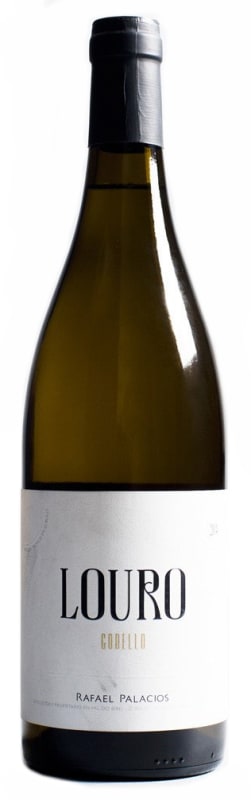


Winemaker Notes
#92 Wine Spectator Top 100 of 2019Louro is a blend of Godello with a small amount of Treixadura from parcels located in the villages of Chandoiro, Lentellais, Outardepregos and Santa Cruz. After decades of conventional farming, the organic practices of Rafa have begun to revitalize the soils of these site and Louro is becoming more complex with each vintage. Louro is fermented in French oak foudres and aged on its lees for four months.
Professional Ratings
-
Jeb Dunnuck
In the same style, the 2017 Louro Do Bolo is a blend of 92% Godello and 8% Treixadura from sandy, granitic soils, fermented and aged in larger foudre. Crushed lime, citrus pith, white flowers, and a beautiful salinity all give way to a medium-bodied, racy, vibrant white that makes you salivate. It’s going to be incredibly versatile on the dinner table, and while I’d drink bottles over the coming year or so, I wouldn’t be surprised if this evolves gracefully for longer.
-
Robert Parker's Wine Advocate
The entry-level 2017 Louro was cropped from an unusual year marked by frost that reduced the crop by some 40%. It's a blend of Godello with around 8% Treixadura with good ripeness, concentration, power and acidity, managing a considerable alcoholic degree with low pH and notable acidity. It fermented in 3,000-liter oak foudres, where it was kept with the fine lees for four months. This is a great wine, perhaps not as long lived as As Sortes, because the vineyards are not as high in altitude and have a little more clay in the soils. It's a little more varietal in character but also marked by the soils, especially on the finish. It's very expressive early on. It's not a banal wine—it's serious, clean, balanced and concentrated, ripe without excess, expressive, aromatic and open. It has intense, pungent flavors with a saline, tasty twist I often find in wines from granite. It combines power with balance. This overdelivers for its price.
-
Wine Spectator
Peach, quince and lime flavors mingle with notes of lemon cream, heather and grapefruit in this expressive white. The texture is broad, but crisp acidity keeps this focused.


White grapes are used in two famous types of Spanish wine, Sherry and Cava, but we will limit this discussion to still whites. Let’s begin with perhaps the best known and most highly regarded internationally, Albariño . Produced in the region of Rías Baixas, just above Portugal in northwestern Spain, Albariño typically sees no or little oak and is medium to medium-plus in body. Aroma and flavor notes often include citrus and peach, often with subtle floral notes and a suggestion of sea spray, giving the wine a zesty feel. Often bottled as a single varietal, Albariño is sometimes blended with other indigenous grapes like Loureira and Treixadura. Try one of these Spanish whites from Forjas del Salnes.
Let’s look at a few other Spanish white wines. Godello also hails from northwestern Spain and presents a profile of grapefruit, minerality and a slight smoky quality. Enjoy a bottle from Bodegas Avancia. The region of Rueda, northwest of Madrid, is home to Verdejo , which makes refreshing, un-oaked white wines whose herbal vibrancy recalls Sauvignon Blanc . Protos makes a tasty version. Up north in the Basque region, we find the wine called Txakoli (sometimes called Txakolina). Pronounced “sha-ko-LEE,” it’s made from a local grape called Hondurrabi Zuri and is light, fresh, citrusy, dry … and with razor sharp acidity that makes it a fantastic partner with local seafood and tapas. Ameztoi Gertariako is a good Spanish white wine producer to check out.
The Penedѐs region, best known for the oceans of delicious Cava it sends to the world, also produces still Spanish whites, sometimes from international varieties like Chardonnay , and often from the same grapes used for Cava. These include Parellada, Xarel-lo and Macabeo. Avaline produces a fine example of Penedes white. Finally, we visit the Rioja region. While it is historically and internationally famous for its reds, Rioja also produces fine Spanish white wines. These are usually based on Viura (the local name for Macabeo) and make good everyday sippers, although some aged versions can be stunningly complex. A good place to start is the white Rioja from Bodegas Muga.
As you can see, Spanish white wines offer a vast opportunity for exploration!