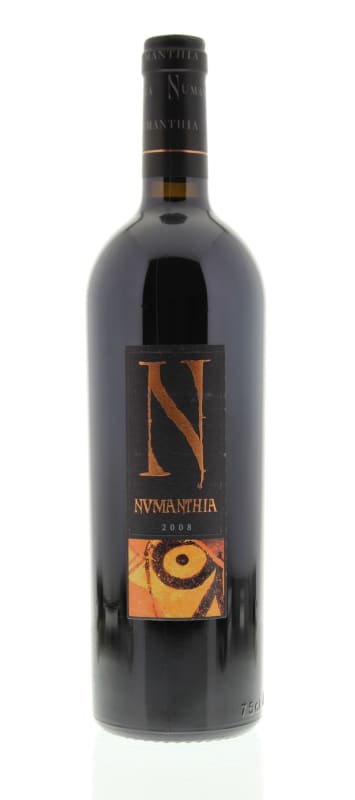


Winemaker Notes
Professional Ratings
-
Robert Parker's Wine Advocate
The 2008 Numanthia spent 18 months in new French oak. It sports an inviting nose of pain grille, graphite, Asian spices, licorice, lavender, and blackberry. In the glass it reveals its voluptuous proportions, savory flavors, and outstanding volume. Give this lengthy Toro 5-7 years of cellaring and enjoy it from 2017 to 2028.
-
Wine Enthusiast
Smells floral, toasty and black fruited, with cola and tobacco notes. Like all previous Numanthias, this is hugely structrued and tannic, with ripe berry, spice and bitter chocolate flavors. Finishes massive, with mocha, coffee and toast. Grabby and hard now, but delicious. Needs two more years in bottle; drink now from 2012 through 2016.
-
Wine & Spirits
Intensely black when first opened, this wine needs several hours to begin to show its fruit flavors and spicy sweetness. For now, it's all hidden behind a heavy curtain of tannins, a concentrated juice of ancient vines, some more than 100 years old. Cellar it to decant for spicy braised lamb.
-
Wine Spectator
Both powerful and vibrant, this expressive red delivers a rich core of cassis and pomegranate, framed by toast, smoke, mineral and loam notes. A dark wine even austere, but has plenty of life. Drink now through 2016.
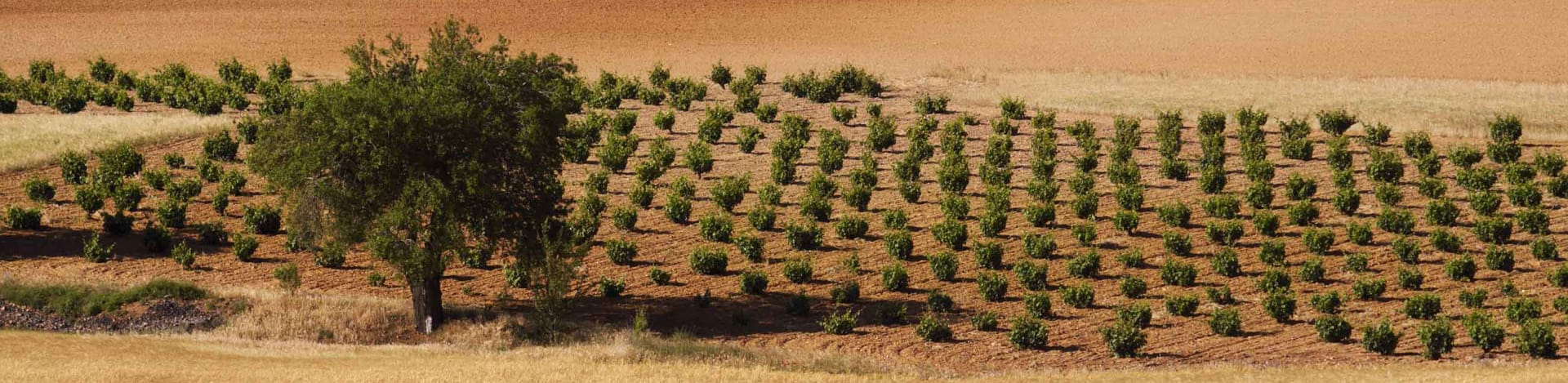



Numanthia is located in the Toro region of Spain. Its four vineyards are located along the south bank of the Duero River.
The wine is named after a legendary Spanish city that was destroyed (after 20 yrs of resistance) by Roman legions. It is to Spain what the hilltop village of Masada is to Israel: a monument of history. Its 40 hectares of land are covered with an abundance of elements derived from the disintegration of Pliocene grit, clay and limestone.
Numanthia's first vintage was produced in 1998 and received a 95-point rating from Robert Parker. Since then, the Toro region has been producing wines that have begun to rival those of Spain's richest wine-producing regions of Ribera del Duero, Rioja and Priorat.

Spanish red wine is known for being bold, heady, rustic and age-worthy, Spain is truly a one-of-a-kind wine-producing nation. A great majority of the country is hot, arid and drought-ridden, and since irrigation has only been recently introduced and (controversially) accepted, viticulture has sustained—and flourished—only through a great understanding of Spain’s particular conditions. Large spacing between vines allows each enough resources to survive and as a result, the country has the most acreage under vine compared to any other country, but is usually third in production.
Of the Spanish red wines, the most planted and respected grape variety is Tempranillo, the star of Spain’s Rioja and Ribera del Duero regions. Priorat specializes in bold red blends, Jumilla has gained global recognition for its single varietal Monastrell and Utiel-Requena has garnered recent attention for its reds made of Bobal.