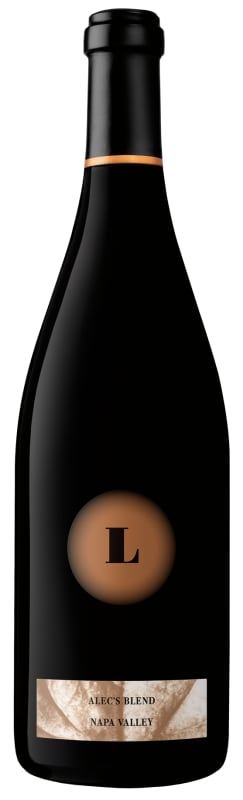


Winemaker Notes
Super saturated and packed with enticing aromas, this 2021 has wild black cherry and boysenberry fruits that are threaded with toffee, ganache, and Iberian ham. Ultra-plush on entry the palate is full of fresh, broad-ranging fruit punctuated with espresso, fine-grained tannins, and a long juicy finish.
Blend: 79% Syrah, 15% Merlot, 3% Petite Sirah, 3% Cabernet Franc.
Professional Ratings
-
Jeb Dunnuck
The 2021 Alec's Blend is mostly Syrah (there's some Merlot, Petite Sirah, and Cabernet Franc) and its deep purple hue is followed by a gorgeous perfume of blackberries, blueberries, camphor, ground pepper, and hints of bacon fat. It's full-bodied and has remarkable purity, fine tannins, and a great finish. Drink this incredibly sexy, hedonistic beauty over the coming decade.
-
James Suckling
This lavish, fruit-drenched wine could have been labeled as syrah, since that grape accounts for 79% of the blend, followed by 15% merlot, 3% petite sirah and 3% cabernet franc. It oozes dark chocolate, dried black fruit, toasted oak and vanilla bean flavors on a full body. Drink now or hold.
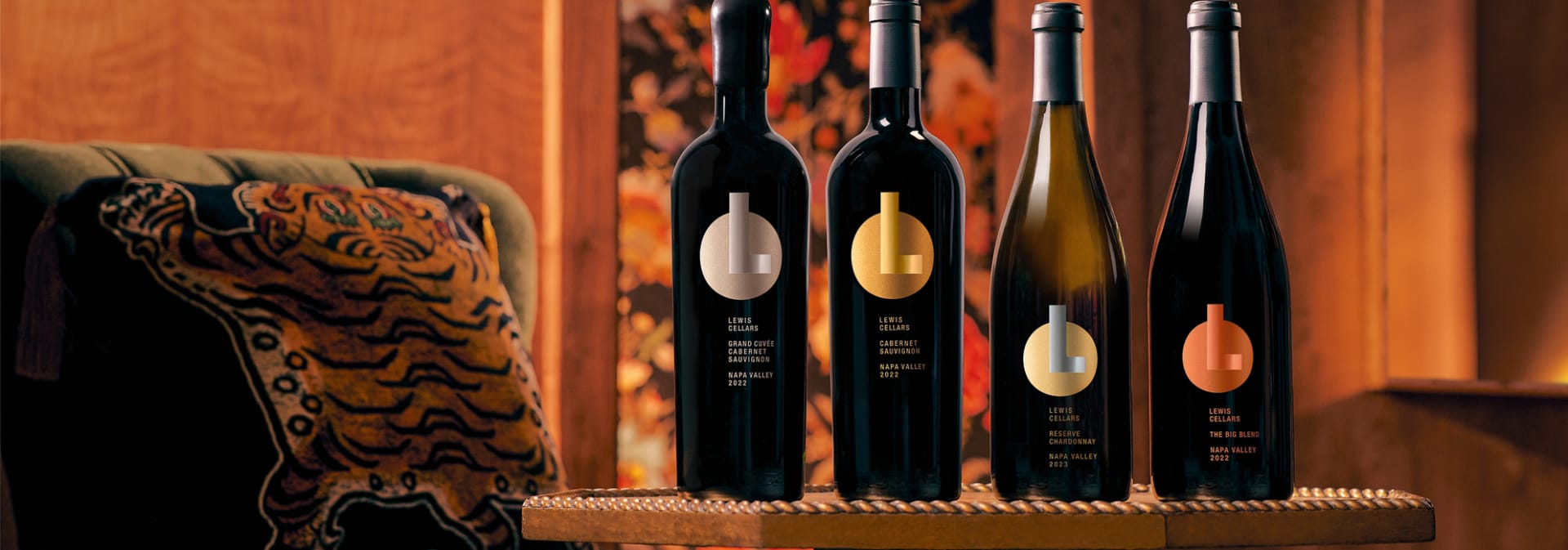


For more than 30 years, Lewis Cellars has handcrafted wines that epitomize the intense flavors and bold character of the world-renowned Napa Valley. Opulent, voluptuous, and unapologetically provocative, their wines are for the true connoisseur who isn't afraid to go big. Guided by a meticulous, hands-on approach, Lewis has perfected the art of sensory winemaking, ensuring each bottle is both distinctive and unforgettable. To taste a Lewis Cellars wine is to immerse yourself in a multi-sensory experience—where sight, aroma, flavor, and finish intertwine in a seamless dance of complexity and intrigue, compelling you to take another sip. With a legacy built on excellence, Lewis Cellars has earned its place among Napa's finest, with – as Wine Spectator notes – "a record of excellence that few California wineries can rival."

Undoubtedly proving its merit over and over, Napa Valley is a now a leading force in the world of prestigious red wine regions. Though Cabernet Sauvignon dominates Napa Valley, other red varieties certainly thrive here. Important but often overlooked include Merlot and other Bordeaux varieties well-regarded on their own as well as for their blending capacities. Very old vine Zinfandel represents an important historical stronghold for the region and Pinot noir is produced in the cooler southern parts, close to the San Pablo Bay.
Perfectly situated running north to south, the valley acts as a corridor, pulling cool, moist air up from the San Pablo Bay in the evenings during the hot days of the growing season, which leads to even and slow grape ripening. Furthermore the valley claims over 100 soil variations including layers of volcanic, gravel, sand and silt—a combination excellent for world-class red wine production.