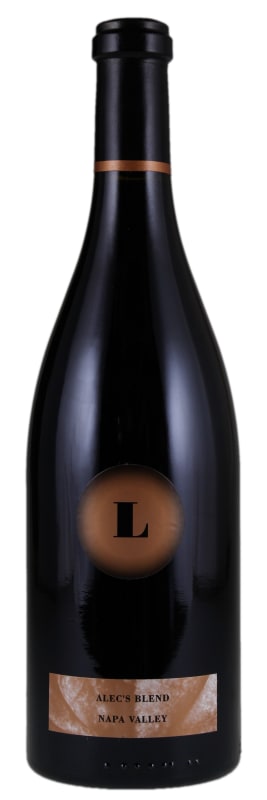


Winemaker Notes
Professional Ratings
-
Jeb Dunnuck
The 2018 Alec's Blend is a step up, offering a beautiful nose of crème de cassis, scorched earth, chocolate, and charred meat. It's rich, full-bodied, and concentrated, yet still shows restraint and purity, with terrific tannins. I'd be thrilled to drink a bottle. The blend is 57% Syrah, 28% Merlot, 14% Cabernet Sauvignon, and the rest Cabernet Franc.
-
Wine Spectator
A compelling red that's harmonious and refined, with rich black raspberry, grilled herb and cracked pepper flavors that dance on the supple finish. Syrah, Merlot, Cabernet Sauvignon and Cabernet Franc. Drink now through 2028.


For more than 30 years, Lewis Cellars has handcrafted wines that epitomize the intense flavors and bold character of the world-renowned Napa Valley. Opulent, voluptuous, and unapologetically provocative, their wines are for the true connoisseur who isn't afraid to go big. Guided by a meticulous, hands-on approach, Lewis has perfected the art of sensory winemaking, ensuring each bottle is both distinctive and unforgettable. To taste a Lewis Cellars wine is to immerse yourself in a multi-sensory experience—where sight, aroma, flavor, and finish intertwine in a seamless dance of complexity and intrigue, compelling you to take another sip. With a legacy built on excellence, Lewis Cellars has earned its place among Napa's finest, with – as Wine Spectator notes – "a record of excellence that few California wineries can rival."

Undoubtedly proving its merit over and over, Napa Valley is a now a leading force in the world of prestigious red wine regions. Though Cabernet Sauvignon dominates Napa Valley, other red varieties certainly thrive here. Important but often overlooked include Merlot and other Bordeaux varieties well-regarded on their own as well as for their blending capacities. Very old vine Zinfandel represents an important historical stronghold for the region and Pinot noir is produced in the cooler southern parts, close to the San Pablo Bay.
Perfectly situated running north to south, the valley acts as a corridor, pulling cool, moist air up from the San Pablo Bay in the evenings during the hot days of the growing season, which leads to even and slow grape ripening. Furthermore the valley claims over 100 soil variations including layers of volcanic, gravel, sand and silt—a combination excellent for world-class red wine production.