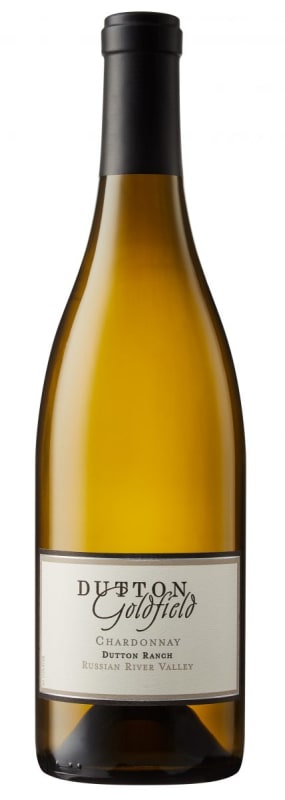


Winemaker Notes
The great combination of bright and lush comes through right away in the nose, which leads with a bouquet of white spring flowers surrounding the core of lemon zest. Pear, green apple, and kiwi provide supporting fruit notes. In the mouth, the crisp and opulent theme continues, with lemon curd and creamy pear lifted with a lime zest finish. A little oyster shell minerality on the finish reminds you of the Sonoma Coast just to the west, and also of delicious shellfish pairings.
Try it with our local Dungeness crab, Tomales Bay oysters Rockefeller, or a creamy clam chowder. Valley Ford’s Estero Gold Reserve cheese is a great match, as is a cave-aged gruyere.
Professional Ratings
-
Wine Enthusiast
This elegant wine from Dan Goldfield smells subtle and spicy, tastes creamy and complex and feels bracing and light in texture. The harmony among fresh, crisp apples and pears, light toast and butter nuances and restrained oak toastiness is superb.
-
Wine Spectator
Offers a polished, sophisticated mix of pineapple, tangerine and ripe, salted melon flavors, lingering on the long, lush finish with notes of apple pastry and a drizzle of caramel. Drink now through 2034. 2,330 cases made.
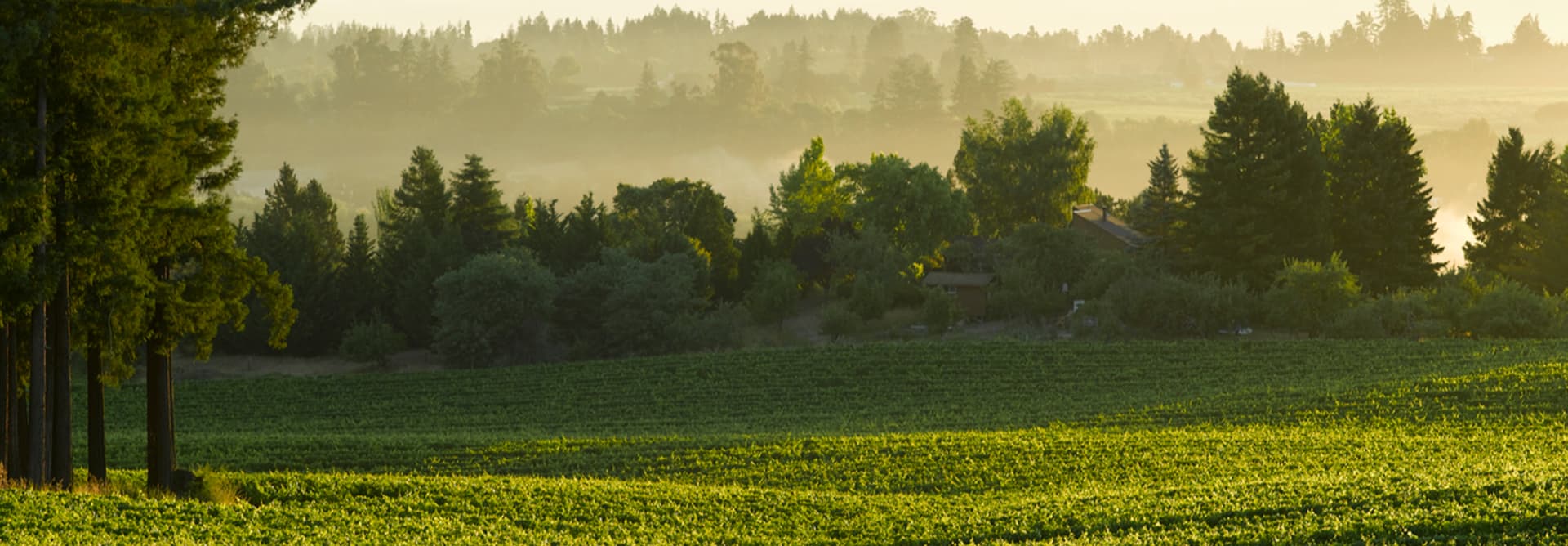


Dutton-Goldfield Winery began with a handshake in a vineyard in 1998, when longtime colleagues and friends Steve Dutton and Dan Goldfield recognized a shared vision between them—to craft wines that express the personalities of their cool-climate vineyards, and which they'd enjoy drinking at their own dinner tables.
Pinot Noir and Chardonnay are the mainstays of the Dutton-Goldfield production. Using fruit from carefully chosen vineyards, Dan Goldfield produces wine that reflects the natural tendencies of the area: crisp, well-structured wines that display the complexity, balance and intensity that the partners believe are key to world-class wines.
Dutton-Goldfield Winery's first releases were a Dutton Ranch Chardonnay and Pinot Noir from the 1998 vintage. Today Dan and Steve continue to produce Pinot Noir and Chardonnay from Dutton Ranch plantings, numerous vineyard-designated wines, as well as small lots of old vine Zinfandel and hillside Syrah. The Dutton-Goldfield wines are crafted using traditional techniques such as barrel and malolactic fermentation for the Chardonnay, and open top fermentation for the Pinot Noir.
The winery is a partnership of friends, colleagues, neighbors and families. The wines reflect this spectacular part of Northern California where the grapes are grown, the superb quality of fruit from perfectly placed and planted vineyards, and the work of an appreciative winemaker.
All Dutton-Goldfield vineyards are certified sustainable by the California Sustainable Winegrowing Alliance and endorsed by Fish Friendly Farming.

One of the most popular and versatile white wine grapes, Chardonnay offers a wide range of flavors and styles depending on where it is grown and how it is made. While it tends to flourish in most environments, Chardonnay from its Burgundian homeland produces some of the most remarkable and longest lived examples. California produces both oaky, buttery styles and leaner, European-inspired wines. Somm Secret—The Burgundian subregion of Chablis, while typically using older oak barrels, produces a bright style similar to the unoaked style. Anyone who doesn't like oaky Chardonnay would likely enjoy Chablis.

A standout region for its decidedly Californian take on Burgundian varieties, the Russian River Valley is named for the eponymous river that flows through it. While there are warm pockets of the AVA, it is mostly a cool-climate growing region thanks to breezes and fog from the nearby Pacific Ocean.
Chardonnay and Pinot Noir reign supreme in Russian River, with the best examples demonstrating a unique combination of richness and restraint. The cool weather makes Russian River an ideal AVA for sparkling wine production, utilizing the aforementioned varieties. Zinfandel also performs exceptionally well here. Within the Russian River Valley lie the smaller appellations of Chalk Hill and Green Valley. The former, farther from the ocean, is relatively warm, with a focus on red and white Bordeaux varieties. The latter is the coolest, foggiest parcel of the Russian River Valley and is responsible for outstanding Pinot Noir and Chardonnay.