

Winemaker Notes
Professional Ratings
-
Wine Enthusiast
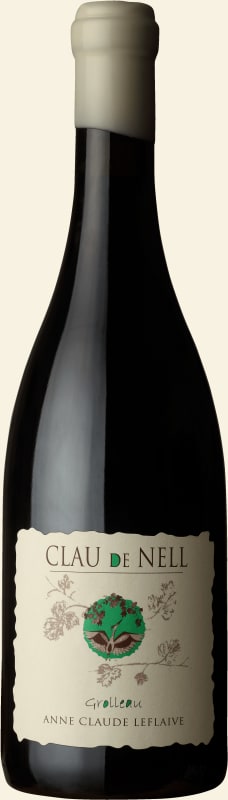
This is one of three wines produced by the estate created by the late Anne-Claude Leflaive of Domaine Leflaive in Burgundy. This wine uses the very local Grolleau, grown biodynamically. Unusually this is a red wine (Grolleau is normally found in rosé). The wine is lightly stalky with red-currant fruit and intense acidity. It is light in texture but rich in complexity, and has some aging potential. Drink now, but better from 2018.


Grolleau makes a fine partner to Gamay in Rosé d’Anjou and among the bubbly categories of the Loire, it is used in the celebrated Crémant de Loire rosés and sparkling wines of Saumur. It also makes a less popular yet racy, rustic, yet subtle red wine with sour cherry, herb and leather qualities. Somm Secret—Though it is used predominantly for rosé wines, its berries are deeply black colored and takes its name from the French word, grolle, meaning “crow.”

Praised for its stately Renaissance-era chateaux, the picturesque Loire valley produces pleasant wines of just about every style. Just south of Paris, the appellation lies along the river of the same name and stretches from the Atlantic coast to the center of France.
The Loire can be divided into three main growing areas, from west to east: the Lower Loire, Middle Loire, and Upper/Central Loire. The Pay Nantais region of the Lower Loire—farthest west and closest to the Atlantic—has a maritime climate and focuses on the Melon de Bourgogne variety, which makes refreshing, crisp, aromatic whites.
The Middle Loire contains Anjou, Saumur and Touraine. In Anjou, Chenin Blanc produces some of, if not the most, outstanding dry and sweet wines with a sleek, mineral edge and characteristics of crisp apple, pear and honeysuckle. Cabernet Franc dominates red and rosé production here, supported often by Grolleau and Cabernet Sauvignon. Sparkling Crémant de Loire is a specialty of Saumur. Chenin Blanc and Cabernet Franc are common in Touraine as well, along with Sauvignon Blanc, Gamay and Malbec (known locally as Côt).
The Upper Loire, with a warm, continental climate, is Sauvignon Blanc country, home to the world-renowned appellations of Sancerre and Pouilly-Fumé. Pinot Noir and Gamay produce bright, easy-drinking red wines here.