


Winemaker Notes
Professional Ratings
-
Wine Enthusiast
This is a structured and complex wine, with dominating sweet tannins. At the same time, there is fruitiness and juiciness that add freshness to the finish.
Barrel Sample: 93-95 Points -
Wine Spectator
Displays a strong tobacco leaf edge from the start, along with smoke and singed balsam wood notes, all weaving around a core of dark plum and black cherry fruit. A touch firm in the end right now, but shows very good range.
Barrel Sample: 90-93 Points -
James Suckling
This is a racy young wine with currants and blueberries on the nose and palate. Full and very silky with fine tannins and a balanced finish. A little muscular and lean. 54% Cabernet Sauvignon, 37% Merlot, 7% Cabernet Franc, 1% Petit Verdot, and 1% Carmenere.
Barrel Sample: 91-92 Points -
Robert Parker's Wine Advocate
Administrator Philippe Dalhuin told me this property (100 acres) has 240 separate parcels, which must make the strategy of harvesting a nightmare. Composed of 54% Cabernet Sauvignon, 37% Merlot and the rest Cabernet Franc and a dollop of Petit Verdot, the 2011 Clerc Milon is more tannic, tightly knit and structured than its sister chateau, d’Armailhac. With more acidity showing, it performed as if it had just come off malolactic fermentation. Possessing a dense color along with copious notes of new saddle leather, black currants, mocha and wood spice, it will require several years of bottle age, and should keep well for 15+ years.
Barrel Sample: 89-91+ Points
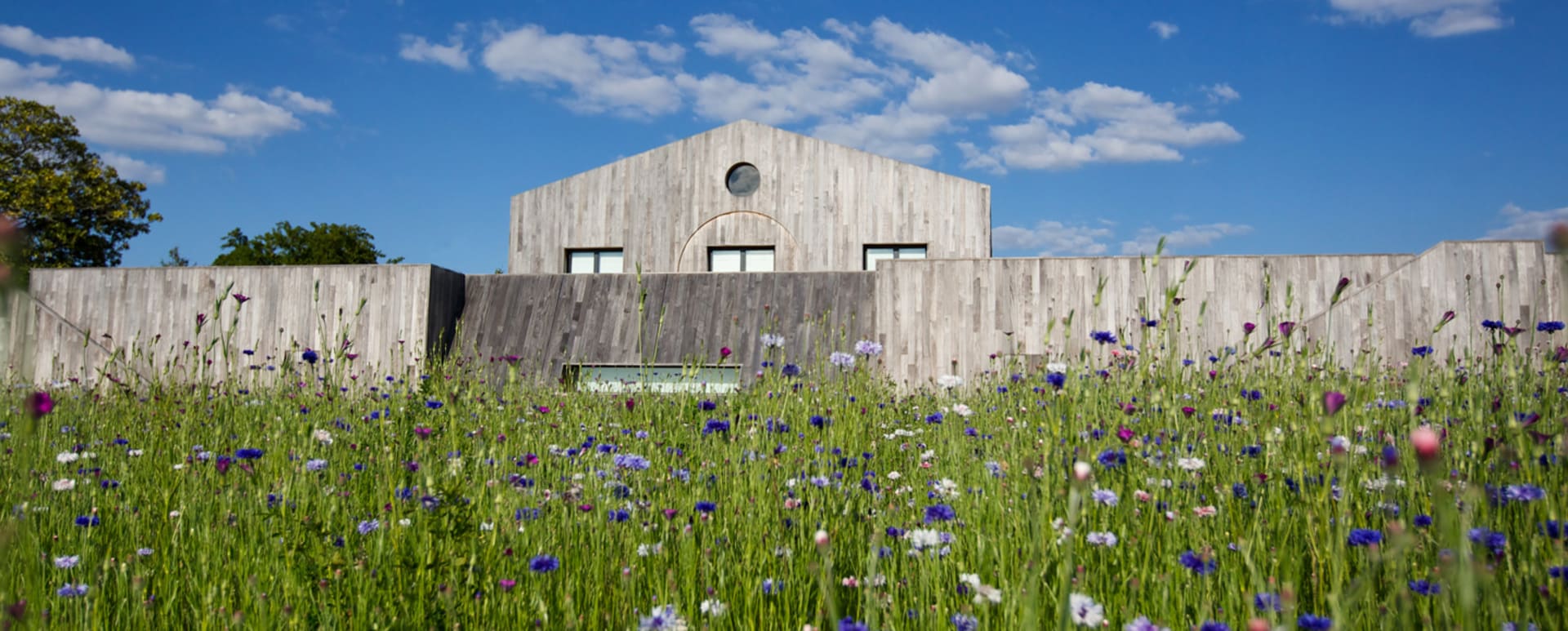


An 1855 Classified Growth, Château Clerc Milon is in a unique location in Pauillac. Bordering two Classified First Growths, it has 41 hectares (100 acres) of vines in a single sweep, mostly on the beautiful Mousset outcrop overlooking the Gironde. The estuary and its sea breezes moderate temperature variations while the geological formation encourages natural drainage and optimises the vines’ exposure to the sun. The soil comprises deep, sandy gravel over a clay-limestone base which crops out in the eastern part of the estate. The vineyard’s slopes and proximity to the Gironde estuary create a unique topography and microclimate.
The vineyard, mostly comprising plots first planted in the early 20th century, offers a singular genetic heritage and rich biodiversity. It has five grape varieties typical of the region: Cabernet Sauvignon (51.5%), Merlot (37%), Cabernet Franc (8%), Petit Verdot (2%) and Carmenere (1.5%), including a parcel planted in 1947.
Pastourelle de Clerc Milon is the estate’s second wine, in which Merlot predominates.
Baron Philippe de Rothschild (1902-1988) acquired Château Clerc Milon in 1970. His values and know-how are now embodied in the third generation of the family, represented by Camille and Philippe Sereys de Rothschild and Julien de Beaumarchais de Rothschild, who continue to develop Château Clerc Milon with the same enthusiasm and quest for modernity. Thanks to the work carried out over the last 50 years and more, and with the help of a dedicated team endowed with cutting-edge technical facilities, Château Clerc Milon is more than ever a benchmark for excellence in the Médoc.
Château Clerc Milon is a beautifully balanced, elegant and precise wine with considerable ageing potential.

One of the world’s most classic and popular styles of red wine, Bordeaux-inspired blends have spread from their homeland in France to nearly every corner of the New World. Typically based on either Cabernet Sauvignon or Merlot and supported by Cabernet Franc, Malbec and Petit Verdot, the best of these are densely hued, fragrant, full of fruit and boast a structure that begs for cellar time. Somm Secret—Blends from Bordeaux are generally earthier compared to those from the New World, which tend to be fruit-dominant.

The leader on the Left Bank in number of first growth classified producers within its boundaries, Pauillac has more than any of the other appellations, at three of the five. Chateau Lafite Rothschild and Mouton Rothschild border St. Estephe on its northern end and Chateau Latour is at Pauillac’s southern end, bordering St. Julien.
While the first growths are certainly some of the better producers of the Left Bank, today they often compete with some of the “lower ranked” producers (second, third, fourth, fifth growth) in quality and value. The Left Bank of Bordeaux subscribes to an arguably outdated method of classification that goes back to 1855. The finest chateaux in that year were judged on the basis of reputation and trading price; changes in rank since then have been miniscule at best. Today producers such as Chateau Pontet-Canet, Chateau Grand Puy-Lacoste, Chateau Lynch-Bages, among others (all fifth growth) offer some of the most outstanding wines in all of Bordeaux.
Defining characteristics of fine wines from Pauillac (i.e. Cabernet-based Bordeaux Blends) include inky and juicy blackcurrant, cedar or cigar box and plush or chalky tannins.
Layers of gravel in the Pauillac region are key to its wines’ character and quality. The layers offer excellent drainage in the relatively flat topography of the region allowing water to run off into “jalles” or streams, which subsequently flow off into the Gironde.