


Winemaker Notes
Blend: 60% Cabernet Sauvignon, 23% Merlot, 14% Cabernet Franc, 2% Petit Verdot and 1% Carménère
Professional Ratings
-
Decanter
Creamy weight through the body, although as with the 2001 this is a vintage that stays on the lighter side of its Pauillac tannins. As it opens, you get subtle layers of blackberry, flint, graphite, cassis, touches of smoked coffee beans. A separate vineyard and cellar team had been in charge here since 2009, headed up by ex-Opus One winemaker Jean-Emmanuel Danjoy. The 300 plots of the vineyard had been reworked down to 70 or so plots through careful land purchases, and the vineyard worked carefully to ensure the roots could travel deeper. Blend completed with 2% Petit Verdot and 1% Carmanère, because at this point a new wine cellar with smaller tanks made it possible to vinify them apart. Drinking Window 2025 - 2044
-
James Suckling
Rich, opulent aromas of blackberries, graphite and a touch of tar. Tightly wound and fine grained, with a full body and a very long finish. Good initial evolution. 60% cabernet sauvignon, 23% merlot, 14% cabernet franc, 2% petit verdot and 1% carmenere.
-
Robert Parker's Wine Advocate
The 2017 Clerc Milon is medium to deep garnet-purple colored and offers up a gorgeous nose of potpourri, cinnamon stick, candied violets and kirsch over a core of warm cassis, plum preserves and boysenberries with a waft of garrigue. Medium to full-bodied, the palate delivers loads of muscular fruit with a firm, fine-grained texture and tons of freshness, finishing long and perfumed. Rating: 94+
-
Wine Enthusiast
With its elegant structure and a layer of firm tannins, this wine has density, a dry core and the blackcurrant freshness that comes with the vintage. The tannins will allow this wine to age well. Drink from 2023.
-
Wine Spectator
This starts with a kick of violet before a well-built beam of black currant, fig and plum paste flavors enters authoritatively. Very solid through the finish, with chestnut, alder and graphite notes adding a defined bass line. Fresh acidity is well-embedded throughout, keeping all the elements in line. A strong showing. Cabernet Sauvignon, Merlot, Cabernet Franc, Petit Verdot and Carmenère. Best from 2022 through 2038.
-
Jeb Dunnuck
The 2017 Chateau Clerc Milon checks in as 60% Cabernet Sauvignon, 23% Merlot, 14% Cabernet Franc, and the rest Petit Verdot and Carmenere brought up in 50% new French oak. It's a much straighter, more focused, serious wine than the Pastourelle and has classic red and black currant fruits as well as medium to full body, a ripe, spicy, textured mid-palate, building tannins, and a great finish. It's another classic, balanced, nicely textured 2017 that's going to evolve well for 3-5 years and keep for two decades.
-
Wilfred Wong of Wine.com
COMMENTARY: The 2017 Château Clerc Milon is generous and substantive on the palate. TASTING NOTES: This wine exhibits attractive black aromas and flavors with a hint of dust and earth. Enjoy it with slowly-braised meat dishes. (Tasted: January 24, 2020, San Francisco, CA)
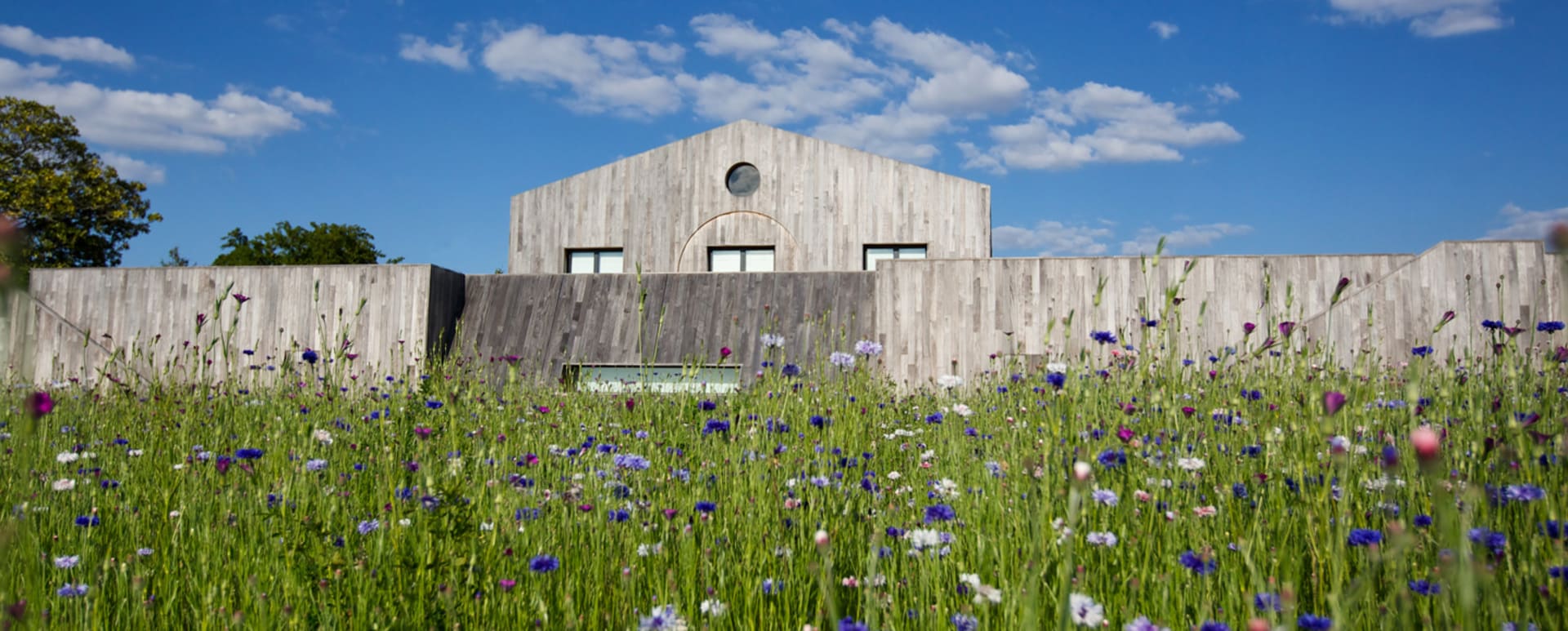


An 1855 Classified Growth, Château Clerc Milon is in a unique location in Pauillac. Bordering two Classified First Growths, it has 41 hectares (100 acres) of vines in a single sweep, mostly on the beautiful Mousset outcrop overlooking the Gironde. The estuary and its sea breezes moderate temperature variations while the geological formation encourages natural drainage and optimises the vines’ exposure to the sun. The soil comprises deep, sandy gravel over a clay-limestone base which crops out in the eastern part of the estate. The vineyard’s slopes and proximity to the Gironde estuary create a unique topography and microclimate.
The vineyard, mostly comprising plots first planted in the early 20th century, offers a singular genetic heritage and rich biodiversity. It has five grape varieties typical of the region: Cabernet Sauvignon (51.5%), Merlot (37%), Cabernet Franc (8%), Petit Verdot (2%) and Carmenere (1.5%), including a parcel planted in 1947.
Pastourelle de Clerc Milon is the estate’s second wine, in which Merlot predominates.
Baron Philippe de Rothschild (1902-1988) acquired Château Clerc Milon in 1970. His values and know-how are now embodied in the third generation of the family, represented by Camille and Philippe Sereys de Rothschild and Julien de Beaumarchais de Rothschild, who continue to develop Château Clerc Milon with the same enthusiasm and quest for modernity. Thanks to the work carried out over the last 50 years and more, and with the help of a dedicated team endowed with cutting-edge technical facilities, Château Clerc Milon is more than ever a benchmark for excellence in the Médoc.
Château Clerc Milon is a beautifully balanced, elegant and precise wine with considerable ageing potential.

One of the world’s most classic and popular styles of red wine, Bordeaux-inspired blends have spread from their homeland in France to nearly every corner of the New World. Typically based on either Cabernet Sauvignon or Merlot and supported by Cabernet Franc, Malbec and Petit Verdot, the best of these are densely hued, fragrant, full of fruit and boast a structure that begs for cellar time. Somm Secret—Blends from Bordeaux are generally earthier compared to those from the New World, which tend to be fruit-dominant.

The leader on the Left Bank in number of first growth classified producers within its boundaries, Pauillac has more than any of the other appellations, at three of the five. Chateau Lafite Rothschild and Mouton Rothschild border St. Estephe on its northern end and Chateau Latour is at Pauillac’s southern end, bordering St. Julien.
While the first growths are certainly some of the better producers of the Left Bank, today they often compete with some of the “lower ranked” producers (second, third, fourth, fifth growth) in quality and value. The Left Bank of Bordeaux subscribes to an arguably outdated method of classification that goes back to 1855. The finest chateaux in that year were judged on the basis of reputation and trading price; changes in rank since then have been miniscule at best. Today producers such as Chateau Pontet-Canet, Chateau Grand Puy-Lacoste, Chateau Lynch-Bages, among others (all fifth growth) offer some of the most outstanding wines in all of Bordeaux.
Defining characteristics of fine wines from Pauillac (i.e. Cabernet-based Bordeaux Blends) include inky and juicy blackcurrant, cedar or cigar box and plush or chalky tannins.
Layers of gravel in the Pauillac region are key to its wines’ character and quality. The layers offer excellent drainage in the relatively flat topography of the region allowing water to run off into “jalles” or streams, which subsequently flow off into the Gironde.