


Winemaker Notes
Blend: 59% Cabernet Sauvignon, 28% Merlot, 10% Cabernet Franc, 1.5% Carmenere, 1.5% Petit Verdot
Professional Ratings
-
Decanter
Ripe, dark and fragrant fruit on the nose - dark plums, cherries, damsons and blackberries with a dusting of black chocolate - coolness but also touches of floral sweetness. Smells softly floral and softly herbal with the fruit at the fore. Smooth and round, nice fullness to the texture - very slightly chewy and plush tannins, this has a bit of flesh to it which I like - textured and filling in the mouth. Ripe strawberries, chewy blackcurrants, it’s cool but textured, grippy, salty and stony. Really a great expression with nuance and layers of different elements. Holds the interest. A touch narrow a bitter still on the finish, though excellent high acidity gives life and vibrancy and nicely counters the plush fruit. Quite a complete wine, not with sunny exuberance but finessed and still flavourful.
-
James Suckling
This is a very good wine from a difficult year. The nose is fresh, with paprika aromas and no herbal notes. Juicy and medium- to full-bodied with fresh, fine-grained tannins and a bright finish. 59% cabernet sauvignon, 28% merlot, 10% cabernet franc and 1.5% each petit verdot and carmenere.
-
Vinous
The 2021 Clerc Milon is another fine effort from the chateau. It offers an alluring mix of fruit raciness and savory character from the Cabernets. Grilled herbs, graphite, mint, lavender and leather add layers of nuance. The long, persistent finish is a thing of beauty. Clerc Milon has been on the rise of late. –Antonio Galloni
-
Robert Parker's Wine Advocate
The 2021 Clerc Milon has turned out very well indeed, offering up aromas of dark berries and minty cassis mingled with hints of violets and pencil shavings. Medium to full-bodied, velvety and concentrated, it's impressively deep and layered, with an ample core of fruit, lively acids and sweet, chalky tannins.
-
Wine Spectator
Bramble and hedgerow notes, some smoke, tobacco, chocolate, liquorice-laced black fruits and graphite on the nose. Seriously captivating with the complexity continuing on the palate, comprising coffee, cedar, clove and cinnamon alongside plump and plush layers of succulent and concentrated blackcurrant and black cherry fruit and racy acidity. The 59% Cabernet Sauvignon influence is in sharp focus, right to the fore, wanting all the attention, but at the same time this has a beautiful and generous fragrance to it from 10% Cabernet Franc. Refined and elegant, I love the presentation and the structure, giving such length and freshness on the long finish. An excellent Clerc this year which really stands out. 1.5% Camenère and 1.5 Petit Verdot complete the blend. 3.73pH. Drinking Window: 2025 - 2045.
Barrel Sample: 93 -
Jeb Dunnuck
I loved the 2021 Château Clerc Milon, a gem of a 2021 that brings impressive richness and depth. Black cherries, graphite, smoked herbs, and lead pencil notes all define the aromatics, and it's medium to full-bodied, with a layered mouthfeel and beautiful tannins. It shows the fresher style of the vintage yet nevertheless brings impressive levels of concentration and depth. Give it a few years and enjoy over the following 15+. The blend is 59% Cabernet Sauvignon, 28% Merlot, 10% Cabernet Franc, and the balance Petit Verdot and Carmenère.
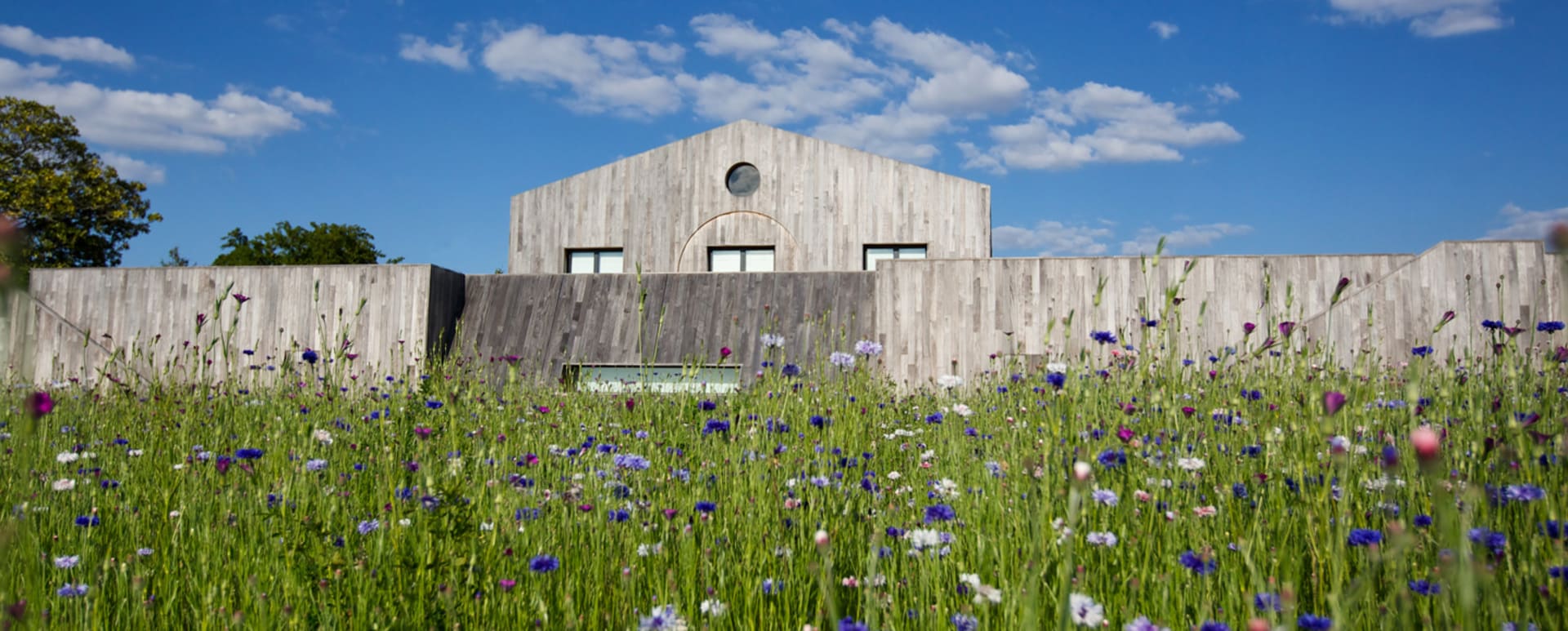


An 1855 Classified Growth, Château Clerc Milon is in a unique location in Pauillac. Bordering two Classified First Growths, it has 41 hectares (100 acres) of vines in a single sweep, mostly on the beautiful Mousset outcrop overlooking the Gironde. The estuary and its sea breezes moderate temperature variations while the geological formation encourages natural drainage and optimises the vines’ exposure to the sun. The soil comprises deep, sandy gravel over a clay-limestone base which crops out in the eastern part of the estate. The vineyard’s slopes and proximity to the Gironde estuary create a unique topography and microclimate.
The vineyard, mostly comprising plots first planted in the early 20th century, offers a singular genetic heritage and rich biodiversity. It has five grape varieties typical of the region: Cabernet Sauvignon (51.5%), Merlot (37%), Cabernet Franc (8%), Petit Verdot (2%) and Carmenere (1.5%), including a parcel planted in 1947.
Pastourelle de Clerc Milon is the estate’s second wine, in which Merlot predominates.
Baron Philippe de Rothschild (1902-1988) acquired Château Clerc Milon in 1970. His values and know-how are now embodied in the third generation of the family, represented by Camille and Philippe Sereys de Rothschild and Julien de Beaumarchais de Rothschild, who continue to develop Château Clerc Milon with the same enthusiasm and quest for modernity. Thanks to the work carried out over the last 50 years and more, and with the help of a dedicated team endowed with cutting-edge technical facilities, Château Clerc Milon is more than ever a benchmark for excellence in the Médoc.
Château Clerc Milon is a beautifully balanced, elegant and precise wine with considerable ageing potential.

One of the world’s most classic and popular styles of red wine, Bordeaux-inspired blends have spread from their homeland in France to nearly every corner of the New World. Typically based on either Cabernet Sauvignon or Merlot and supported by Cabernet Franc, Malbec and Petit Verdot, the best of these are densely hued, fragrant, full of fruit and boast a structure that begs for cellar time. Somm Secret—Blends from Bordeaux are generally earthier compared to those from the New World, which tend to be fruit-dominant.

The leader on the Left Bank in number of first growth classified producers within its boundaries, Pauillac has more than any of the other appellations, at three of the five. Chateau Lafite Rothschild and Mouton Rothschild border St. Estephe on its northern end and Chateau Latour is at Pauillac’s southern end, bordering St. Julien.
While the first growths are certainly some of the better producers of the Left Bank, today they often compete with some of the “lower ranked” producers (second, third, fourth, fifth growth) in quality and value. The Left Bank of Bordeaux subscribes to an arguably outdated method of classification that goes back to 1855. The finest chateaux in that year were judged on the basis of reputation and trading price; changes in rank since then have been miniscule at best. Today producers such as Chateau Pontet-Canet, Chateau Grand Puy-Lacoste, Chateau Lynch-Bages, among others (all fifth growth) offer some of the most outstanding wines in all of Bordeaux.
Defining characteristics of fine wines from Pauillac (i.e. Cabernet-based Bordeaux Blends) include inky and juicy blackcurrant, cedar or cigar box and plush or chalky tannins.
Layers of gravel in the Pauillac region are key to its wines’ character and quality. The layers offer excellent drainage in the relatively flat topography of the region allowing water to run off into “jalles” or streams, which subsequently flow off into the Gironde.