
Winemaker Notes
Professional Ratings
-
Robert Parker's Wine Advocate
With the estate’s best fruit, the 2009 Montefalco Sagrantino 25 Anni puts aromatic intensity at the top of its playbill. It opens with a dark, inky color and massive aromas of mocha, toasted espresso bean, spicy cedar wood, tar and black asphalt. Those jackhammer tannins aren’t going anywhere. Anticipated maturity: 2015-2028.
-
Wine Enthusiast
Blue flower, leather, tobacco, espresso and spicy plum aromas unfold in the glass. The tightly wound palate offers toasted oak, coffee, sage and dried black fruit alongside bracing, teeth-coating tannins. Give this time to unwind. Drink 2017–2024.
-
Wine Spectator
Pure black cherry fruit flavors show savory notes of herb-marinated olive, graphite and the smoky, meaty character of grilled portobello mushroom. Fresh and focused, this suave red has a tannic, spiced finish. Best from 2016 through 2029.
-
Wine & Spirits
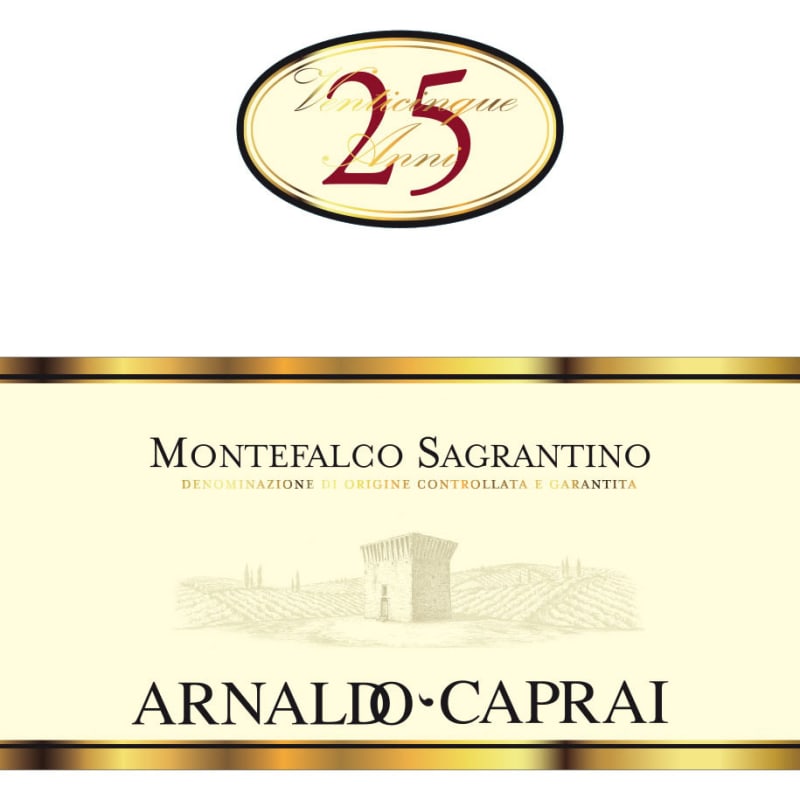
Marco Caprai first produced this cuvée in 1993 to celebrate the winery’s 25th anniversary. It’s a plush sagrantino, the variety’s typically ferocious tannins tamed with 24 months in French oak barriques. Velvety with dark berry flavors, black licorice and rich balsamic accents, it’s remarkably vibrant and pure given the wine’s intense concentration. Pair it with grilled lamb chops.





The family operation began in 1971 when textiles entrepreneur Arnaldo Caprai purchased 12.5 acres in Montefalco. In 1988, ownership passed on to Arnaldo’s son, Marco, who began the project to cultivate the promotion of the grape that has been growing in the Montefalco region for more than 400 years: Sagrantino. Today, the winery is the leading producer of top quality Sagrantino di Montefalco, a wine produced exclusively from this native variety. In addition to its commitment to quality, Arnaldo Caprai is recognized for its dedication to environmental, economic and social sustainability, as well as being champions for the wines of Umbria. Winery visits available for tasting.

Known for dark and dense red wines, Sagrantino is a grape unique to Umbria. The best examples come from the clay, sand and limestone soils around the village of Montefalco. Since Sagrantino grapes have a high level of tannins, law requires Sagrantino di Montefalco age at least 30 months before release to market. Sagrantino often benefits from further aging—though look to those labeled Rosso di Montefalco for early drinking Sagrantino-Sangiovese blends. Somm Secret—Sagrantino contains some of the highest polyphenol (antioxidant) levels compared to other red wine grapes.

Centered upon the lush Apennine Range in the center if the Italian peninsula, Umbria is one of the few completely landlocked regions in Italy. It’s star red grape variety, Sagrantino, finds its mecca around the striking, hilltop village of Montefalco. The resulting wine, Sagrantino di Montefalco, is an age-worthy, brawny, brambly red, bursting with jammy, blackberry fruit and earthy, pine forest aromas. By law this classified wine has to be aged over three years before it can be released from the winery and Sagrantino often needs a good 5-10 more years in bottle before it reaches its peak. Incidentally these wines often fall under the radar in the scene of high-end, age-begging, Italian reds, giving them an almost cult-classic appeal. They are undoubtedly worth the wait!
Rosso di Montefalco, on the other had, is composed mainly of Sangiovese and is a more fruit-driven, quaffable wine to enjoy while waiting for the Sagrantinos to mellow out.
Among its green mountains, perched upon a high cliff in the province of Terni, sits the town of Orvieto. Orvieto, the wine, is a blend of at least 60% Trebbiano in combination with Grechetto, with the possible addition of other local white varieties. Orvieto is the center of Umbria’s white wine production—and anchor of the region’s entire wine scene—producing over two thirds of Umbria’s wine. A great Orvieto will have clean aromas and flavors of green apple, melon and citrus, and have a crisp, mineral-dominant finish.