Saké 2 Items

You're no longer following this brand
You'll no longer receive alerts for new arrivals and brand updates
-
Gift Type Great Bottles to Give
-
Occasion Any
-
Variety Any
-
Varietal Saké
-
Region Any
-
Availability Include Out of Stock
-
Size & Type Any
-
Fine Wine Any
-
Vintage Any
-
Reviewed By Any
-
Sort By Most Popular
-
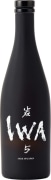 Ships Thu, Apr 23Limit 0 per customerSold in increments of 0
 -
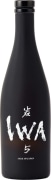 Ships Thu, Apr 23Limit 0 per customerSold in increments of 0
Browse by Category
Red White Sparkling Rosé Spirits GiftsLearn about Saké — the range of styles, how it’s made and more …
What are the types and styles of Saké?
The categories of saké are established not by rice variety, but by their polishing or milling percentages. The further it is polished, the higher quality the resulting saké will be. All saké is comprised of water, koji, yeast and rice, and in some styles, neutral alcohol can be added during the brewing process. Junmai sakés are brewed in the absence of added alcohol.
Futsushu is the simplest category with no real milling or ingredient requirements. The categories with the lowest milling requirement at no less than 30% milled, so that 70% of each rice grain remains, are called Honjozo and Junmai. A notch above these in milling requirement, Ginjo and Junmai Ginjo require milling of 40% of the rice grain so that 60% of each grain remains. Sakés with the highest milling requirement at 50%, so that 50% of each grain of rice remains unmilled, are Daiginjo and Junmai Daiginjo.
Saké can be finely or coarsely filtered, sweet or dry, and simple or complex. It can take on many flavors similar to wine, including apple, melon, banana and other fruits as well as floral, herbal and spice notes.
How is Saké made?
Saké is made by fermenting rice that has been polished to remove the outer bran, exposing the center where the flavorful starch is concentrated. Once milled, the rice is washed, soaked and steamed. Koji mold converts the rice starch into sugar so that the yeast can then ferment this sugar into alcohol. While Junmai is brewed in the absence of added alcohol, some brewers, in search of other flavors, aromas and textures, will add a small amount of distilled alcohol during the brewing process.
What gives Saké its color?
Most saké is clear because it has been filtered. Nigori saké is cloudy because it is filtered with a coarser mesh than used for traditional saké.
How do you serve Saké?
Most high quality saké should be served cold at 41F-46F to preserve the inherent delicate aromas and flavors. Warming suits less refined styles better, such as Honjozo.
How long does Saké last?
If properly stored in a cool (41F-58F) and dark place, it is reasonable to expect an unopened bottle of sake to last about two years. Once a bottle is opened, it should always be kept refrigerated and consumed within in two to three weeks.