Wines for Cellaring, Explained: Structure, Regions, and What to Buy
The 1982 Bordeaux vintage changed how a generation bought wine. Critics scored it historically high, futures prices surged, and collectors who stored those bottles properly watched their investments multiply over two decades. That vintage proved something that serious buyers already suspected: the right bottle, stored well, repays patience with compound interest in flavor and value. Building a cellar today requires the same calculus of structure, provenance, and timing, applied across a wider range of regions and price points than previous generations ever considered.
Why Some Wines Get Better with Age
Most wine produced globally is designed to drink within a year or two of release. Fewer than 1% of bottles produced worldwide benefit from cellaring beyond 10 years. The bottles that do reward aging share a structural backbone built on four pillars: tannin, acidity, residual sugar, and alcohol concentration.
Tannin is the scaffolding. In young red wines, tannins bind to proteins on the tongue and create that drying, gripping sensation. Over years in bottle, tannin molecules polymerize into longer chains that feel softer and silkier. A Barolo that tastes rigid and astringent at five years can feel plush and layered at fifteen. Acidity works differently. High natural acidity keeps a wine fresh and prevents it from tasting flat or stewed as other components evolve. Wines from cooler climates or naturally high-acid varieties (Nebbiolo, Riesling, Sangiovese) tend to hold their structure longest.
Blending composition matters more than most buyers realize. In Bordeaux, the percentages of Cabernet Sauvignon (typically 60-80% on the Left Bank), Merlot (adding mid-palate flesh), and smaller additions of Cabernet Franc and Petit Verdot shape both flavor and aging trajectory. Petit Verdot, rarely bottled as a varietal, adds deep color and violet aromatics to Bordeaux blends; a 5-10% addition can shift a wine's profile significantly. The wines built to age longest are almost always blends, calibrated to balance structure against generosity.
How Tannin and Acidity Shape the Cellar Window
Tannin softens and acidity preserves, and those two forces operate on different timescales. Heavy-tannin wines like young Barolo or classified Bordeaux need 5-10 years just for the tannins to integrate enough for pleasant drinking. Wines with both high tannin and high acidity, the combination found in Nebbiolo and top Cabernet Sauvignon, can improve for 10-20 years or longer. Lighter-structured wines with good acidity but moderate tannin, like Premier Cru Burgundy, may peak at 8-12 years. Store everything at 55°F (13°C) for the most predictable development.
Why Vintage and Storage Matter More Than You Think
A great bottle stored badly is worse than a modest bottle stored well. The essentials are non-negotiable: 55°F (13°C), 70-80% humidity, darkness, and minimal vibration. Temperature swings cause corks to expand and contract, letting air seep in. Low humidity dries corks. UV light degrades phenolic compounds.
If you live in an apartment or condo, a quality wine fridge holding 50-100 bottles is a practical starting point, and professional offsite storage services offer climate-controlled lockers for larger collections. Wine.com's wine storage and accessories collection includes wine fridges and cellar tools for every setup. Provenance documentation also protects your investment; bottles without a clear storage history trade at a significant discount on the secondary market.
Cellar-Worthy Reds by Region
Red wines dominate most cellar plans for good reason: tannin gives them a structural advantage that white wines achieve only through acidity. These six regions produce the reds most collectors build around.
1. Bordeaux
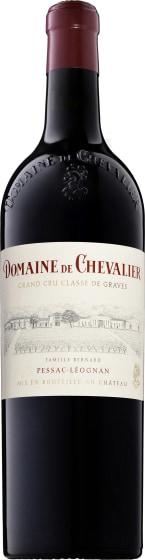
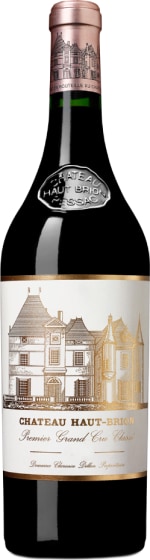
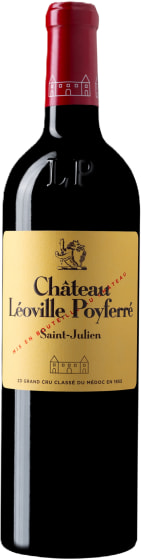
Left Bank Bordeaux blends, built on Cabernet Sauvignon with Merlot, Cabernet Franc, and Petit Verdot, are engineered for cellaring. The best examples from strong recent vintages (2018, 2019, 2020) have tannin structures designed to unfold over 10-30 years. For a deeper look at how these blends compare to single-varietal Cabernet, read our guide to Cabernet Sauvignon and Bordeaux.
Pessac-Leognan, Bordeaux, France ● Bordeaux Red Blends
100 Robert Parker
99 James Suckling
98 Decanter
98 Jeb Dunnuck
98 Wine Enthusiast
98 Wine Spectator
$399.97
$399.97
2. Barolo and Barbaresco
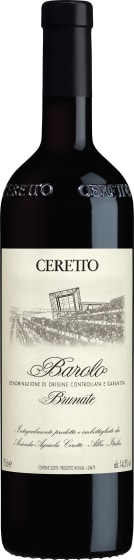
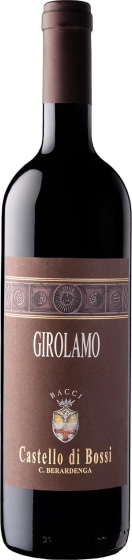
Nebbiolo delivers some of Italy's most compelling cellaring wines, with high tannin and high acidity creating 10-20+ year aging curves. Young Barolo can taste severe; give it a decade and expect rose, tar, leather, and truffle to emerge from behind the structural grip. Our comparison of Brunello and Barolo covers how these two Nebbiolo-based wines differ in approach and aging style.
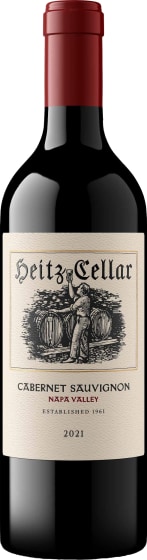
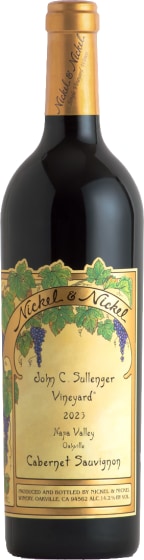
Napa Valley AVA Cabernets combine ripe, concentrated fruit with firm tannin structures that support 10-20 years of cellaring. Single-vineyard bottlings from mountain and benchland sites tend to offer the most cellaring reward, with tighter structures and more mineral complexity than valley-floor wines. Look for producers with multi-vintage track records of structured, age-worthy wines.
St. Helena, Napa Valley, California ● Cabernet Sauvignon
100 Wilfred Wong
98 Robert Parker
96 James Suckling
95 Decanter
95 Jeb Dunnuck
95 Vinous
95 Wine Enthusiast
93 Wine Spectator
$309.99
$309.99
4. Burgundy (Pinot Noir)
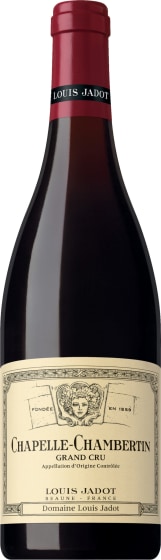
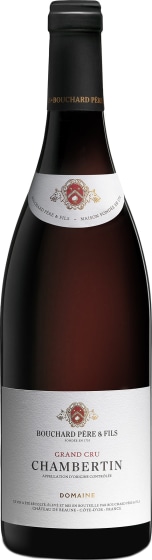
Premier Cru and Grand Cru Burgundy ages along a different axis than Bordeaux. Pinot Noir's thinner skins mean less tannin, but the acidity in well-sited Bourgogne vineyards keeps wines fresh for 10-20 years at the top tier. With time, the fruit recedes and an earthy, mushroom-inflected complexity takes over, layered with iron and forest floor. Explore Wine.com's Burgundy collection for more options across appellations and price points.
Gevrey-Chambertin, Cote de Nuits, Cote d'Or, Burgundy, France ● Pinot Noir
97 Vinous
95 Jasper Morris
95 Robert Parker
93 Decanter
Sold Out - was $660.00
5. Rioja Gran Reserva
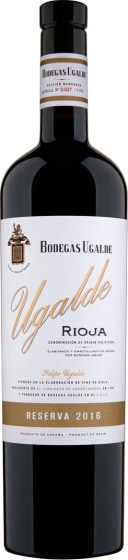
Rioja Gran Reserva wines, built primarily on Tempranillo, undergo extended aging in barrel and bottle before release. By the time they reach you, they have already developed leather, dried fruit, and vanilla character. The best examples continue evolving for another 10-15 years in cellar, making them some of the most approachable cellar-worthy wines at purchase.
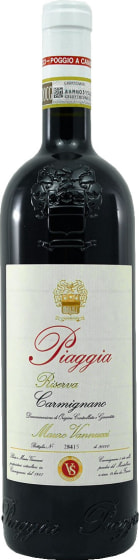
Sangiovese's naturally high acidity makes it a reliable cellaring grape. Brunello di Montalcino requires minimum aging before release, and the best bottles continue developing cherry, earth, spice, and leather notes over 10-20 years in proper storage. Chianti Riserva offers a shorter but still rewarding aging curve at a lower entry price.
Whites, Dessert Wines, and Fortified Bottles Worth Cellaring
Cellaring guides tend to fixate on reds, but several white, dessert, and fortified categories reward patience just as generously. Acidity and sugar replace tannin as the structural preservative, and the flavor evolution can be dramatic.
1. White Burgundy (Chardonnay)
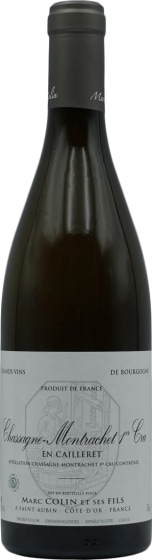
Top-tier Meursault, Puligny-Montrachet, and Chassagne-Montrachet develop mineral, honey, and hazelnut notes over 8-15 years. The best white Burgundies gain a waxy, lanolin-like texture that you simply cannot find in young wine. Grand Cru sites like Corton-Charlemagne and Montrachet can last even longer.
Chassagne-Montrachet, Cote de Beaune, Cote d'Or, Burgundy, France ● Chardonnay
97 Jasper Morris
92 Vinous
Sold Out - was $270.00
2. Aged Riesling (Mosel and Alsace)
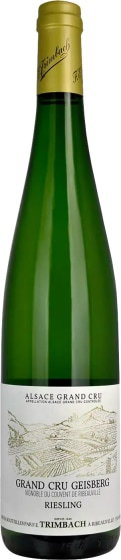
Riesling ages longer than almost any white grape. German Spätlese from a strong vintage can improve for 20 years, developing petrol, slate, and honeyed complexity that transforms the wine entirely. Alsatian Grand Cru Riesling follows a similar trajectory, with more body and less overt sweetness. In both regions, acidity is the engine that keeps the wine alive.
Botrytis-affected grapes used in Sauternes must be harvested berry-by-berry, requiring multiple passes through the vineyard. That painstaking process produces wines with honeyed fruit, apricot, and marmalade character that, balanced by bracing acidity, can cellar for 10-50+ years. Top Sauternes from great vintages rank among the longest-lived wines on earth.
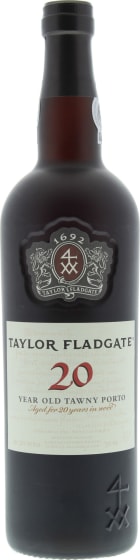
Fortified wines are cellar anchors. Vintage Port, declared only in exceptional years, drinks best after 15-20 years and can last a century. LBV (Late Bottled Vintage) Port offers a more accessible entry with drinking windows of 5-15 years after release. Tawny Ports aged 20+ years in barrel arrive ready to drink and hold well once opened. Look beyond the classics, too: white Port (dry or off-dry, increasingly popular as a tonic serve) and rosé Port offer lighter, fresher alternatives that have expanded the category. Madeira, virtually indestructible thanks to its heated aging process, can last for centuries.
Cellaring Wines by Price: What to Expect at Every Level
Price correlates with aging potential, but not as directly as many buyers assume. The cost drivers, including vineyard sourcing, oak programs, and yields, shape both a wine's structure and its price tag.
1. Under $50: Everyday Ageability
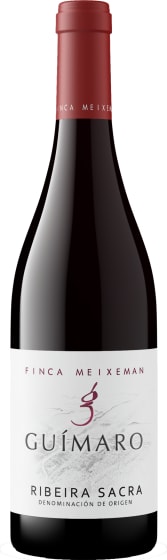
You do not need to spend $100 to stock a cellar that evolves. Estate fruit commands a premium because the producer controls every farming decision from pruning to harvest date, and several estates deliver structured, age-worthy wines under $50. Ridge Vineyards' single-vineyard Zinfandels, for instance, reward 5-10 years with dried herb and spice complexity. Spanish Mencia from Galician slate soils offers a similar value proposition at even lower prices.
At this tier, the price premium buys vineyard selection, lower yields, and more ambitious oak programs. New French oak barrels run $1,200 or more per barrel, and top producers replace them every vintage. That investment shows up as spice, cedar, and structural integration in wines like single-vineyard Napa Cabernet and estate Pinot Noir from the Sonoma Coast. These wines typically drink well at 5-8 years and reward cellaring through 10-15.
Fort Ross-Seaview, Sonoma Coast, Sonoma County, California ● Pinot Noir
99 James Suckling
96 Jeb Dunnuck
96 Robert Parker
95 Wine Spectator
$109.99
$109.99
3. Over $100: Collectible Cellaring
The longest-lived wines, including top Barolo, Hermitage, and classified Bordeaux, are designed to be inaccessible young; drinking them at release is like reading the last chapter first. At this level, you are paying for concentration, pedigree, and a 20-30 year aging curve. For specific bottles at this level, see our guide to collectible red wines worth cellaring.
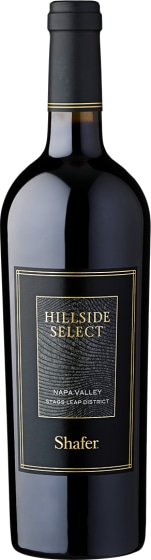
Stags Leap District, Napa Valley, California ● Cabernet Sauvignon
99 Decanter
99 James Suckling
99 Robert Parker
99 Vinous
98 Jeb Dunnuck
97 Wine Enthusiast
93 Wine Spectator
$429.99
$429.99
How to Serve and Store Wines for the Long Haul
Proper cellar conditions are required to realize a wine's aging potential. Suboptimal storage erases the investment premium regardless of what you paid for the bottle.
Storage Essentials
Temperature: 55°F (13°C) is the target; a range of 50–59°F is acceptable if consistent
Humidity: 70-80% protects corks from drying, shrinking, and admitting oxygen
Light and vibration: Store bottles away from windows and appliances; UV light degrades phenolics
Bottle orientation: Horizontal storage keeps corks moist and swollen against the neck
Storage options: Dedicated cellars for houses, thermoelectric wine fridges for apartments, professional offsite lockers for larger collections
Tracking Your Collection
A growing cellar becomes hard to manage from memory. Cellar management apps let you log bottles, set drinking-window reminders, and track what you have opened versus what remains. Even a simple spreadsheet with columns for producer, vintage, region, purchase date, and target drinking window keeps your collection organized and prevents you from opening bottles too early or too late. Connect cellaring decisions back to the structure and price tier of each bottle; a $30 Rioja and a $200 Barolo have different optimal windows and different stakes.
Cellaring Wine Questions, Answered
How Long Can You Cellar Wine?
It depends on the wine. Most bottles are made to drink within 1-3 years of release. Structured reds from premium regions (Bordeaux, Barolo, Napa Cabernet) can cellar for 5-20 years. Top dessert and fortified wines, including Sauternes and vintage Port, can last decades or longer. The key variable is the wine's structural balance, not its price alone.
What Makes a Wine Age-Worthy?
Four factors work together: tannin, acidity, residual sugar, and alcohol. Balance and concentration matter more than any single factor. A wine with high tannin but low acidity may age for years but taste dull. A wine with high acidity but thin fruit may become skeletal. The best cellar candidates have all four elements in proportion.
Do All Red Wines Improve with Age?
No. Most reds are best within 2-5 years of release. Lighter varieties like Gamay, Dolcetto, and basic Merlot are built for near-term enjoyment. The reds that reward cellaring tend to come from specific regions, specific producers, and specific vintages, all with structural markers (firm tannin, bracing acidity, concentration) that signal staying power.
Can White Wines Be Cellared?
Yes, and they are underrepresented in most cellar plans. Riesling, white Burgundy (Chardonnay), Sauternes, and Chenin Blanc from the Loire Valley all age beautifully. Acidity is the key structural element for white wine aging, replacing the role that tannin plays in reds. A Grand Cru Riesling or Corton-Charlemagne from a top vintage can develop over 15-20 years.
How Do I Know When a Cellared Wine Is Ready to Drink?
Think of readiness as a window, not a single moment. Producer notes, vintage charts, and professional reviews provide general guidance. The most practical approach: buy multiples and open one periodically to track how the wine is developing. Two bottles of the same wine opened three years apart can taste strikingly different, and that firsthand comparison teaches you more about aging than any chart.
Where to Start with Wines for Cellaring
There is no single correct way to build a cellar. Personal taste, budget, and drinking habits shape every collection differently. The most important step is starting with intention and variety rather than volume.
Consider buying 6-12 bottles across the spectrum covered here: a Bordeaux or Napa Cabernet for long-term structure, a Barolo or Brunello for high-acid aging, an aged Riesling for white wine depth, a value-tier Rioja for approachable cellaring, and a Sauternes or Port for dessert and fortified coverage. Spread your purchases across price tiers and drinking windows so you always have something worth opening.