The Cabernet Sauvignon and Bordeaux Guide for Every Price Point
Most wine conversations frame Cabernet Sauvignon and Bordeaux as two sides of the same coin, but the comparison is more revealing than that. One is a single grape given full command of the glass; the other is an orchestrated blend where that same grape shares the stage with four or five partners, each pulling the wine in a different direction.
What Makes Cabernet Sauvignon and Bordeaux Different
The distinction starts with structure. A California Cabernet Sauvignon labeled as such must contain a supermajority of the named grape, and most top producers push well past that threshold. Bordeaux operates under an entirely different logic. The appellation system governs which grapes may be planted, how they're farmed, and how yields are managed, but the blend itself is left to the winemaker's judgment each vintage.
In a typical Left Bank Bordeaux, Cabernet Sauvignon leads the blend, but the remaining grapes do most of the character work. Merlot rounds out the mid-palate and softens tannin. Cabernet Franc contributes lift, perfume, and a cooler aromatic register. Petit Verdot deepens color and adds a dark spice note, and Malbec, used sparingly, can bring flesh and warmth to the structure. The winemaker adjusts proportions vintage by vintage, responding to what the harvest delivers rather than following a fixed recipe.
California Cabernet, by contrast, tends to lead with the grape itself. Winemakers may blend in small amounts of Merlot, Petit Verdot, or Malbec for texture, but the intent is different. The goal is usually amplification rather than counterpoint. Napa Valley producers, in particular, work with warmer conditions and longer hang times that push Cabernet Sauvignon toward riper, more concentrated expressions. The result is a wine that announces its identity plainly, where Bordeaux asks you to listen for the conversation between varieties.
Bordeaux and California Cabernet Sauvignon in the Glass
Tasting these wines side by side makes the philosophical split concrete. The contrasts below capture the broad strokes, though individual bottles will always push against generalizations.
Dominant fruit: Bordeaux leans toward red currant, cassis, plum, and dark cherry. California Cabernet leads with blackberry, black cherry, and cassis.
Secondary notes: Bordeaux shows graphite, cedar, and tobacco. California Cab picks up vanilla, cocoa, toast, and baking spice.
Tannin: Firm, refined, and high-grip in Bordeaux. Ripe, plush, and extracted in California.
Acidity: Higher in Bordeaux, structured for food. Moderate in California, where riper fruit softens it.
Alcohol: 12.5%–14% for Bordeaux. 14%–15.5% for California Cab.
Body: Medium-to-full in Bordeaux. Full in California.
Aging arc: Bordeaux peaks at 10–25+ years. California Cab peaks at 5–15 years.
The secondary flavor differences tell much of the story. Bordeaux's graphite and cedar come from the grape, the soil, and extended aging in older or partially new barrels. California Cabernets typically spend longer in new French or American oak, which accounts for their pronounced vanilla and toast character. That oak program also contributes to the softer, rounder tannin profile that makes many Napa Valley Cabernets approachable young.
The intensity gap traces directly back to sun exposure and growing conditions. California's inland valleys receive substantially more direct UV light across the growing season than Bordeaux's cloud-filtered maritime climate. That extra sunlight drives sugar accumulation in the grape, thickens the skins, and deepens the pigment and tannin extraction during fermentation. The result is higher alcohol, darker color, and a denser, more fruit-saturated wine. Bordeaux's cooler, wetter conditions keep sugar levels lower and acidity higher, producing a leaner frame that expresses the soil and the vintage more than the raw power of the grape.
The aging arc difference follows from all of the above: higher acid, firmer tannin, and lower alcohol give Bordeaux more structural runway for long cellaring. California Cabernet's riper, softer profile favors a shorter, more predictable drinking window, though the best examples from cooler sites can still develop gracefully over a decade.
Cabernet Sauvignon and Bordeaux by Price
Price reflects different cost structures on each side. Bordeaux pricing is shaped by classification, appellation prestige, and decades of auction-market history. California Cabernet pricing is driven more directly by vineyard sourcing costs, barrel programs, and production scale.
1. Under $25: Everyday Drinking
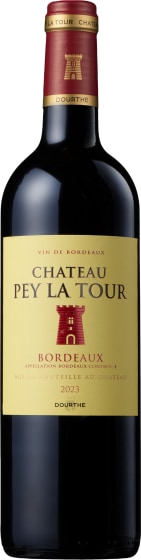
Château Pey La Tour 2023 is a Bordeaux blend built for weeknight reliability. The wine draws on Merlot and Cabernet Sauvignon from the broader Bordeaux AOC, delivering dark fruit, soft tannins, and enough structure to pair with roasted chicken or pasta with meat sauce. At this price point, the blending tradition does its best work: the winemaker balances two or three varieties to create a wine more consistent than any single grape could manage on its own.
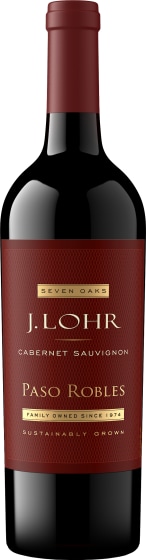
J. Lohr Estates Seven Oaks Cabernet Sauvignon 2023 from Paso Robles represents the California side of the conversation. Paso Robles sits in a warm corridor between the coast and the inland valleys, producing Cabernets with dark fruit intensity and ripe, accessible tannins. Black cherry and plum dominate a palate with integrated oak and enough structure to hold up alongside grilled meats or aged cheeses.
Paso Robles, Central Coast, California ● Cabernet Sauvignon
92 James Suckling
92 Tasting Panel
91 Wine Enthusiast
$17.97
$17.97
2. $25–$60: The Sweet Spot
Château Haut-Brisson 2022 comes from Saint-Émilion, the Right Bank appellation where Merlot leads and Cabernet Franc plays a defining supporting role. This is a wine that trades Left Bank grip for Right Bank plushness without losing complexity. Ripe plum and fig from the Merlot meet a distinctive floral lift from the Cabernet Franc, and the limestone soils underneath Saint-Émilion contribute a chalky mineral finish. This tier is where Bordeaux starts to show what appellation identity actually means in the glass.
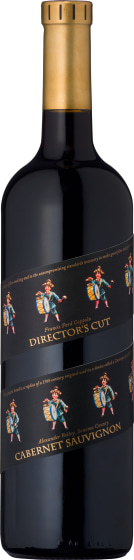
Francis Ford Coppola Director's Cut Alexander Valley Cabernet Sauvignon 2023 brings Sonoma County seriousness to an accessible price point. Alexander Valley's warm days and cool nights produce Cabernets with dark berry concentration and structured tannins. Cassis, blackberry, and a thread of dried herb run through a frame that's firm enough to cellar a few years but polished enough to open tonight with a grilled steak.
Alexander Valley, Sonoma County, California ● Cabernet Sauvignon
$28
$25.97
3. $60–$80: Premium Picks
California Cabernet hits its stride in this range, where premium-program wines from established Napa producers show what serious vineyard sourcing and structured winemaking can deliver. Two well-known Napa names sit in this tier, and each represents a distinct approach to the grape.
Faust Cabernet Sauvignon 2023 is made by the same team behind the iconic Quintessa estate, drawing fruit from vineyards across Napa Valley's hillside and valley-floor sites. The wine delivers dark plum, blackcurrant, and a savory edge with polished tannins and enough structure to develop over several years. Faust consistently punches above its price point, offering Napa Cabernet depth without the triple-digit commitment.
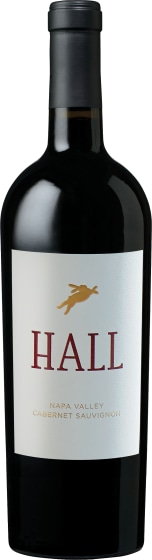
Hall Napa Valley Cabernet Sauvignon 2021 comes from a producer with estate vineyards in several of Napa's top sub-appellations, including Rutherford and Sacrashe. The 2021 vintage delivers dark berry, mocha, and baking spice on a frame built for medium-term aging. Hall's winemaking leans into ripe fruit intensity with structured oak, landing in the sweet spot between approachable now and rewarding in three to five years.
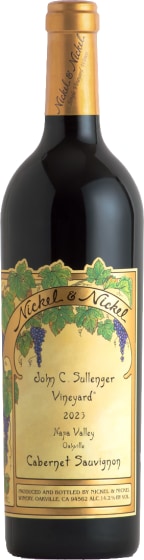
At this level, both regions produce wines designed to reward patience. In Bordeaux, classified estates from Saint-Julien, Pauillac, and Pessac-Léognan deliver Cabernet-dominant blends with dense tannins, graphite and dried herb complexity, and aging arcs that stretch past two decades. Vine age and low yields drive the concentration, and the château system's consistency across vintages justifies the investment. On the California side, top-tier Napa producers from Oakville, Rutherford, and Howell Mountain build single-vineyard wines with the structure and depth to cellar for a decade or more.
Oakville, Napa Valley, California ● Cabernet Sauvignon
99 Tasting Panel
96 Robert Parker
95 Jeb Dunnuck
95 James Suckling
$140
$129.99
How to Serve and Pair Cabernet Sauvignon and Bordeaux
Both wines benefit from careful temperature control and thoughtful food matching, but their different structures call for slightly different approaches. Bordeaux's higher acidity and firmer tannins make it a natural partner for richer, fattier dishes, while California Cabernet's riper fruit and softer frame give it more flexibility with bolder flavors.
Serving temperature: Bordeaux slightly cooler than room temp to preserve acidity; California Cab a touch warmer to open the fruit
Decanting: Bordeaux benefits from a longer decant, especially young classified growths; California Cab needs less time, just enough to integrate the oak
California Cab pairings: Grilled ribeye, smoked short ribs, dark chocolate, aged cheddar
Occasion matching: Bordeaux for multi-course structured dinners; California Cab for single-statement meals
Cabernet Sauvignon vs Bordeaux Questions, Answered
The most common points of confusion come down to geography versus grape, aging expectations, and price. These questions address each directly.
Is Bordeaux the Same as Cabernet Sauvignon?
No, and the confusion is understandable because Cabernet Sauvignon is the dominant grape in many Bordeaux wines. Bordeaux is a region in southwestern France, and its red wines are almost always blends of two to five approved grape varieties. Cabernet Sauvignon leads on the Left Bank in appellations like Pauillac, Margaux, and Saint-Julien, but Merlot dominates on the Right Bank in Saint-Émilion and Pomerol. A bottle labeled "Cabernet Sauvignon" from California or elsewhere is a varietal wine built primarily around that single grape, with other varieties playing a minor supporting role.
Which Ages Better: Bordeaux or California Cabernet?
Top Bordeaux from classified estates can age 25 years or more, and many improve dramatically across that span as tannins soften and secondary flavors like leather, tobacco, and truffle emerge. The combination of higher acidity, firmer tannin, and moderate alcohol gives these wines the structural scaffold for long evolution. California Cabernets from premium producers age well too, but the window is generally shorter, with most peaking between five and fifteen years. Riper fruit and softer tannins mean less raw material for the slow transformation that extended cellaring requires, though the best Napa bottlings can surprise with a decade or more of graceful development.
Is Bordeaux Worth the Price Premium Over California Cabernet?
Bordeaux pricing covers an enormous range, from $12 everyday blends to classified growths that run into thousands per bottle. At the entry and mid-tier levels, Bordeaux often delivers more complexity per dollar because the blending tradition and lower-intervention winemaking create layered wines without relying on expensive new-oak programs. At the high end, pricing reflects classification, scarcity, and secondary-market speculation as much as what's in the glass. California Cabernet tends to price more transparently around direct production costs like vineyard land, barrel programs, and winemaking labor.
What Are the Best Bordeaux-Style Wines Made in California?
Several California producers make blends that follow the Bordeaux template, often marketed under the Meritage designation. These wines combine Cabernet Sauvignon with Merlot, Cabernet Franc, Petit Verdot, and sometimes Malbec, aiming for the kind of multi-grape complexity that defines Bordeaux. Look for producers in Napa Valley, Sonoma County, and Paso Robles who emphasize blending over single-varietal expression. Opus One, Dominus, and Joseph Phelps Insignia are among the most established examples. The style tends to be riper and more fruit-forward than its French counterpart, but the structural ambition and the attention to how varieties complement each other are the same.
Can You Cellar a California Cabernet the Same Way You Cellar Bordeaux?
You can, but expect a different trajectory. Bordeaux blends are built with higher acidity and firmer tannins that give the wine a longer developmental runway in the cellar. California Cabernets, especially from warmer vintages, tend to peak sooner because their riper fruit and softer structure evolve more quickly. Store both in a cool, dark, stable environment. For Bordeaux, classified growths often need a decade or more to reach their stride; California Cabs from serious producers typically peak sooner but still reward patience.
Finding Your Next Bottle
Bordeaux and California Cabernet Sauvignon reward different kinds of attention, and neither style is objectively superior. The right choice depends on the meal in front of you, the occasion you're building around, and what you value most in a glass of red wine. Some nights call for the layered complexity of a well-aged Bordeaux blend; others demand the generous, direct fruit of a Napa Cabernet.
Wine.com carries thousands of Bordeaux and California Cabernets across every price tier, from everyday drinking bottles to classified growths and top Napa producers. Expert curation and detailed tasting notes make it easy to find the right bottle for any occasion.