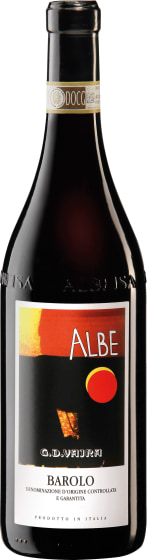
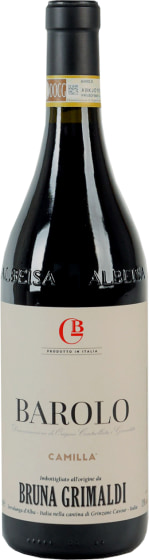
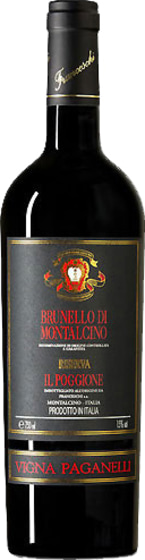
The Essential Brunello vs. Barolo Guide: Grapes, Regions, and What to Buy
Barolo and Brunello di Montalcino are Italy's two most celebrated age-worthy reds, yet they share almost nothing beyond ambition. One is built on Nebbiolo in the fog-draped Langhe hills of Piedmont; the other on a proprietary Sangiovese clone in sun-drenched Montalcino, Tuscany. The real question for your cellar is not which is better, but which matches your palate, your table, and your timeline.
Brunello di Montalcino and Barolo at a Glance
Both wines hold DOCG status and both are 100% single-varietal, a rarity among Italy's top reds. Burgundy and Barolo are notable as single-varietal regions where 100% Pinot Noir and 100% Nebbiolo are mandated, and Brunello di Montalcino follows the same principle with Sangiovese. That shared commitment to varietal purity makes the comparison especially useful: every difference in the glass traces back to grape, soil, and climate rather than blending decisions.
Grape: Barolo is 100% Nebbiolo; Brunello di Montalcino is 100% Sangiovese (Brunello clone)
Region: Barolo comes from the Langhe in Piedmont; Brunello from Montalcino in Tuscany
Aging Minimum: Barolo requires 38 months (18 in oak); Brunello requires 5 years (2 in oak)
Structural Backbone: Barolo is built on tannin; Brunello on acidity
The aging requirements tell you something about each wine's architecture. Barolo's shorter mandatory cellar time belies the fact that its tannins often need a decade or more to fully resolve. Brunello di Montalcino's longer minimum aging means many bottles arrive already showing some integration, though the best Riserva bottlings reward patience well beyond a decade. Both wines are built for time, but they get there through different structural frameworks: Barolo leans on tannin, Brunello on acidity.
How Brunello and Barolo Taste
Nebbiolo and Sangiovese produce wines that look, smell, and feel fundamentally different on the palate. The contrast begins in the glass before you take a sip.
1. Barolo in the Glass
Barolo's color is deceptively pale, a translucent garnet that develops orange-brick tones earlier than most reds of comparable weight. The aromatics are where Nebbiolo announces itself: tar and roses, dried cherry, camphor, and licorice in youth, evolving toward truffle, dried leaves, and wild strawberry with a decade of bottle age. On the palate, young Barolo grips with formidable tannin and bright acidity, creating a wine that feels austere at first encounter but develops silky, layered texture with time.
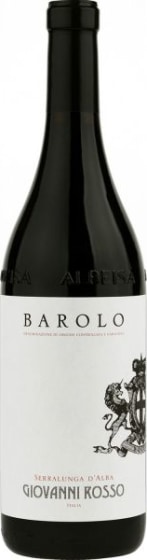
Sub-regional character matters here. Wines from Serralunga d'Alba and Monforte d'Alba tend toward more structured, intense profiles built on compact sandstone soils. La Morra and the commune of Barolo itself, on calcareous marl, produce more aromatic, fruit-forward wines that drink well earlier. Understanding this distinction helps you choose between a Barolo for tonight's decanter and one for long-term cellaring.
2. Brunello di Montalcino in the Glass
Brunello di Montalcino shows deeper ruby color than Barolo and holds that color longer as it ages. The aromatic profile centers on dark cherry, leather, dried herbs, and tobacco, with dried rose and earth developing over time. Where Barolo leads with tannin, Brunello leads with acidity, giving it a more generous, fruit-forward impression in youth despite firm underlying structure.
The Montalcino zone produces meaningful variation by elevation and exposure. Vineyards in the northern and eastern sectors around the town itself, at elevations near 1,600 feet on galestro marl soils, tend toward more elegant, aromatic wines. Southern and southwestern exposures in the Val d'Orcia, on heavier clay at lower elevations, produce richer, more powerful bottlings. Despite its richer color and more approachable fruit, Brunello's tannins are generally less aggressive than Barolo's, making it more flexible at the dinner table without extended cellaring.
Brunello and Barolo by Price: What to Expect at Every Level
Price tiers in both categories correspond to concrete differences in farming, cellar work, and vineyard sourcing. The question is not whether spending more is worth it, but what the extra investment delivers in your glass.
1. Entry-Level ($30–$60)
At this tier, both wines offer solid regional character without single-vineyard specificity. Entry-level Barolo typically comes from younger vines or blended commune sources, delivering Nebbiolo's signature aromatics with more approachable tannins. Entry-level Brunello di Montalcino tends to show generous cherry fruit, moderate structure, and enough acidity to pair well with weeknight cooking. Producers like Fontanafredda in Barolo and Col d'Orcia in Montalcino demonstrate what conscientious large-scale production looks like at this price point, offering reliable quality from substantial vineyard holdings.
This is where site-specific character begins to emerge. Mid-range bottlings often come from named vineyards or specific communes, and the fruit selection is tighter. Single-vineyard bottlings typically yield 1–2 tons per acre versus 4–6 tons for broader regional blends, and that concentration shows in the glass as more defined aromatics and longer finish. In Barolo, you start seeing cru designations from specific vineyards like Bussia or Rocche. In Brunello di Montalcino, the distinction between a producer's entry bottling and their vineyard-designated wine becomes clear among these Italian classics. Producers like Vietti in Barolo and Ciacci Piccolomini d'Aragona in Montalcino offer mid-range wines that punch well above their price in terms of complexity and aging potential.
At the top tier, you are buying vineyard prestige, severe yield restriction, and decades of cellar potential. Top Barolo and Brunello typically need 10–15 years to soften their structural tannins, and the premium price reflects the cost of holding inventory that long before release. Barolo Riserva requires a minimum of 62 months of aging before release; Brunello di Montalcino Riserva requires six years. Cannubi and Vigna Rionda, two of Barolo's most sought-after single-vineyard sites, carry the same collector cachet as grand cru Burgundy. In Montalcino, estates like Biondi-Santi and Poggio di Sotto produce Riserva bottlings that can age for 30 years or more. At this level, you are not buying a bottle for dinner; you are investing in a wine that will evolve for decades.
Both wines demand food with substance, richness, and savory depth. The difference in ideal pairings traces directly to each wine's aromatic profile and structural framework.
Barolo with white truffle pasta: Nebbiolo's floral, earthy aromatics create a natural bridge to Piedmont's signature ingredient. Tagliarini dressed with butter and shaved white truffle is the classic match, and it works because the wine's acidity lifts the richness of the butter while its aromatic complexity meets the truffle note for note.
Barolo with braised meats: Osso buco, braised short ribs, and slow-cooked veal shanks all benefit from Barolo's tannic grip, which softens against the gelatin-rich braising liquid. Aged Parmigiano-Reggiano alongside makes an excellent bridge.
Brunello di Montalcino with bistecca alla fiorentina: The pairing is a study in regional logic. Brunello's vibrant acidity cuts through the richness of a thick-cut, rare-grilled Chianina steak, and its herbal, leather-tinged aromatics complement the char and seasoning.
Brunello di Montalcino with tomato-based dishes: Sangiovese's natural acidity makes Brunello more at home with tomato sauces than Barolo. Wild boar ragu, pappardelle with slow-cooked meat sauce, and roasted lamb with rosemary all align with Brunello's savory, herb-driven profile.
Both wines with aged cheese: Hard, aged cheeses like Pecorino Toscano (with Brunello) and Parmigiano-Reggiano (with Barolo) share the umami richness that both wines complement.
Serve both wines between 60–65 degrees Fahrenheit. Young Barolo benefits from two to three hours of decanting; young Brunello di Montalcino needs at least one hour. Older bottles of either wine, 15 years or more, are better served from a careful pour rather than aggressive decanting, which can strip delicate aged aromatics.
Brunello vs. Barolo Questions, Answered
Is Barolo or Brunello di Montalcino More Expensive?
Barolo generally commands higher prices at every tier. Entry-level Barolo starts around $40, while entry-level Brunello di Montalcino can be found closer to $35. The gap widens at the top: collectible Barolo from top single-vineyard sites regularly exceeds $200, while top Brunello di Montalcino Riserva typically peaks in the $150–$250 range. The price difference reflects Barolo's smaller production zone and the global prestige of its most famous vineyard sites. For value-conscious buyers, Brunello di Montalcino often offers more complexity per dollar, particularly in the $50–$80 range.
Can You Age Brunello as Long as Barolo?
Both wines rank among the world's most age-worthy reds, and both can develop beautifully over 20–30 years in proper storage. The aging mechanisms differ: Barolo relies on its massive tannin structure to preserve and evolve over time, while Brunello di Montalcino's aging backbone is its acidity. In practice, top Barolo from strong vintages can outlast top Brunello, with some bottles holding for 40 years or more. Brunello di Montalcino Riserva from the best producers reaches a similar ceiling. For most collectors, both wines deliver their most rewarding drinking window between 10 and 25 years from vintage.
Which Is Better for a Gift: Barolo or Brunello di Montalcino?
For a wine lover who appreciates Italian reds, either is an excellent gift, but the choice depends on the occasion. Barolo carries more name recognition and a sense of occasion that makes it a strong choice for milestone celebrations. Brunello di Montalcino, with its slightly lower price point and earlier approachability, is a smart pick when you want the recipient to open and enjoy the bottle within a few years. If the person prefers to cellar wines, a Barolo Riserva from a strong vintage signals both generosity and wine knowledge.
What Is the Difference Between Nebbiolo and Sangiovese?
Nebbiolo and Sangiovese are Italy's two most important red grape varieties, and they produce fundamentally different wines. Nebbiolo is defined by high tannin, pale color, and complex aromatics of tar, roses, and dried cherry. It thrives in the cool, foggy hills of Piedmont and produces wines that can be austere in youth but transcendent with age. Sangiovese shows deeper color, higher natural acidity, and a flavor profile centered on red and dark cherry, leather, and dried herbs. It is Italy's most widely planted red grape, but its finest expression is the Brunello clone grown in Montalcino, where warm days and cool nights produce wines of concentration and longevity.
Neither wine is objectively better than the other. If you gravitate toward aromatic complexity, structural intensity, and wines that reward long cellaring, Barolo is your starting point. If you prefer generous fruit, vibrant acidity, and a wine that pairs more flexibly at the table, begin with Brunello di Montalcino. Your palate and your occasion should drive the decision, not reputation or price.
The spectrum within each category is wide enough to sustain years of exploration. Barolo alone spans 11 communes with distinct soil types and microclimates. Montalcino's 200-plus producers range from traditional estates using large Slavonian oak casks to modern houses working with smaller French barriques. Trying wines from different sub-zones and producers is the fastest way to develop your own preferences within each category.