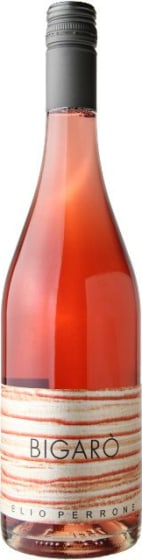
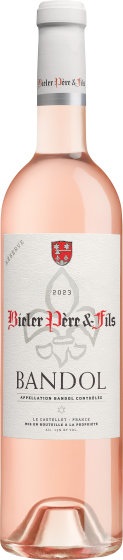
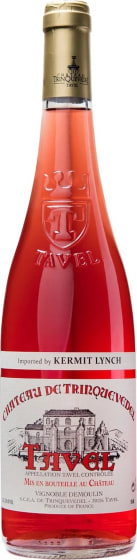
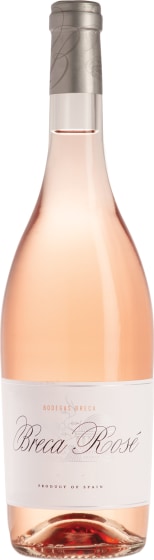
Rosé runs a full spectrum, from bone-dry and crisp to soft and openly sweet, and the whole difference comes down to one thing: how much sugar is left in the bottle after fermentation. The same pale pink wine can taste like a squeeze of citrus or like ripe summer fruit, depending on where it lands on that scale. Knowing which end you prefer is most of the battle at the shelf.
Understanding Rosé Sweetness
Residual sugar is simply the grape sugar that survives fermentation, the stage where yeast converts sugar into alcohol. Stop that process early and more sugar stays behind, which reads as sweetness; let it run to the end and the wine finishes dry. Rosé sits between white and red wine in method, made from red grapes but with only brief skin contact, which is why it can borrow the crispness of a white or the fruit of a red depending on how it is handled. Most rosé also lands between about 11% and 14% alcohol, which tells you it is built for the dinner table rather than the dessert course.
Residual sugar: the natural grape sugar left in a wine after fermentation ends. Less of it means a drier, crisper wine; more of it means a rounder, sweeter one.
Where the Sweetness Actually Comes From
Dryness and sweetness in rosé are decided during fermentation, not by the color of the wine. A pale rosé can be sweet and a deeply colored one can be bone-dry, because color comes from time on the grape skins while sweetness comes from when fermentation is stopped. Winemakers who want a crisp, dry style ferment the juice until almost all the sugar is gone. Those chasing a softer style stop sooner, leaving more sugar on the palate. Acidity plays a supporting role too, since a wine with lively acidity can carry a little sugar and still taste refreshing rather than syrupy. That balance is why two rosés with similar sweetness can land very differently on your tongue.
How to Spot It on the Label Before You Buy
You can usually predict a rosé's sweetness before you open it if you know where to look. Words like brut, sec, and "dry" point to a crisp style, while demi-sec, "semi-sweet," and blush lean sweeter. Region is another quick tell: a rosé from Provence almost always drinks dry, while a bottle labeled White Zinfandel or pink Moscato is made to taste sweet. Grape can help as well, since Grenache and Cinsault usually point to a dry style while Muscat and Zinfandel often signal sweetness. When the label stays quiet, alcohol offers a loose clue, since many of the driest rosés sit at the upper end of that 11% to 14% range.
How Rosé Tastes (And Why It Varies)
Rosé spreads across a simple taste spectrum, from dry to off-dry to sweet. Each step keeps a little more sugar and trades some crispness for softness and fruit.
1. Dry Rosé
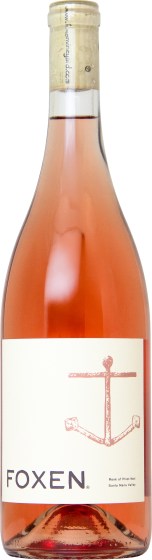
Dry rosé is the crisp, refreshing style that has driven rosé's modern comeback. Expect flavors of citrus, red berry, and a stony, mineral edge, with tart acidity and a clean finish that leaves your mouth watering rather than coated. These wines are pale for a reason: brief contact with the skins keeps them light in both color and body. A classic Provençal style leans delicate and mineral, while a California dry rosé often shows a little more red-fruit weight. Both sit firmly on the dry end of the scale.
Santa Maria Valley, Central Coast, California ● Rosé
Sold Out - was $34.00
2. Off-Dry Rosé
Off-dry rosé sits in the friendly middle, where a whisper of sweetness rounds out the edges without turning the wine into dessert. The fruit comes forward, think peach, strawberry, and melon, but bright acidity keeps everything balanced and easy to drink. This is often the most crowd-pleasing style, familiar enough for newer drinkers yet interesting enough to serve with food. It is the rosé to reach for when you are not sure whether your guests prefer crisp or sweet.
Sweet rosé wears its sugar proudly, with ripe, candied fruit and a soft, low-alcohol feel that makes it taste almost like a treat. Much of rosé's sweet reputation traces back to White Zinfandel, the blush wine that introduced a generation to pink wine in the 1980s, a story we cover in our blush wine guide. Modern sweet rosés, including sparkling pink Moscato and Brachetto styles, lean into flavors of strawberry and rose petal. They shine slightly chilled next to fruit desserts or spicy dishes.
Region is the fastest shortcut for guessing how a rosé will taste. Long-standing local traditions shape whether a place makes its pink wine bone-dry, gently off-dry, or frankly sweet. Learn a few regional habits and you can read a shelf almost at a glance.
1. Provence and Southern France
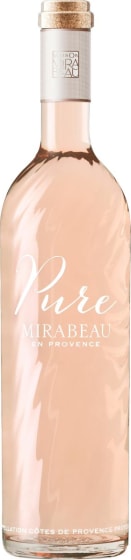
Provence is the spiritual home of dry rosé, and its wines are almost always crisp, pale, and mineral. The same holds across much of southern France, from the Rhône down to the Mediterranean coast, where warm days and cool nights produce refreshing pink wines built for the table. For a closer look at the region's styles and villages, see our Provence rosé guide. If you want a reliable dry rosé, this corner of France is the safest bet on the shelf.
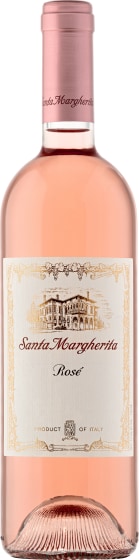
Italy and Spain both make dry, food-friendly pink wines under their own names: rosato in Italy and rosado in Spain. Italian rosato tends to be light and savory, often with a firmer, more herbal edge, while Spanish rosado, frequently made from Garnacha (the same grape the French call Grenache), leans a touch fuller and juicier. For more on Italy's pink wines, see our Italian rosé explainer. Neither country is known for sweet rosé, so these are dependable choices when you want something dry.
California and the wider New World cover the entire spectrum, which is exactly why the region confuses shoppers. The same state that popularized sweet White Zinfandel now turns out some of the crispest, most serious dry rosés in the country. Newer regions like Oregon, Washington, and Australia mostly follow the dry, Provençal-inspired path. Read the label and the producer here rather than assuming, because California alone can send you toward a crisp, bone-dry bottle or a softer, fruitier one.
Rosé is one of the most flexible wines at the table, and matching the style to the plate is easy once you know the pattern. As a rule, dry rosé plays the role of a versatile white, while sweet rosé works best where a little sugar can cool down heat or echo a dessert. Off-dry bottles split the difference and handle mixed spreads well, from a picnic board to a lunch that runs from savory to sweet. You can browse the full rosé selection to find a bottle for any of the pairings below.
Dry rosé pairings:
Seafood and shellfish: crisp acidity flatters grilled shrimp, oysters, and simple white fish
Salads and fresh vegetables: a dry rosé keeps up with vinaigrettes, herbs, and goat cheese without overpowering them
Lightly spiced dishes: the clean finish refreshes the palate between bites of Mediterranean or lightly spiced fare
Sweet rosé pairings:
Fruit desserts: the sugar matches berry tarts, peach cobbler, and similar treats
Brunch and pastries: soft fruit suits pancakes, fruit salad, and flaky morning pastries
Spicy food: a touch of sweetness tames the burn of spicy Thai, Indian, or Sichuan dishes
Serving temperature: serve dry rosé well chilled, around 45°F, and sweet rosé a little warmer, near 55°F, so its fruit can show
Rosé Questions, Answered
How Can You Tell if a Rosé Is Dry or Sweet Before You Buy It?
You can usually tell by reading the label and the region. Terms like brut, sec, and dry signal a crisp style, while demi-sec, semi-sweet, blush, and White Zinfandel point to sweetness. Provence and most of southern France, along with Italy and Spain, lean dry, while pink Moscato and blush wines are made to taste sweet. When in doubt, check the tasting notes, which usually describe the style plainly.
Is Provence Rosé Dry or Sweet?
Provence rosé is almost always dry. The region built its reputation on pale, crisp, mineral-driven pink wines meant for the table, not for dessert. If you pick up a bottle from Provence, you can safely expect a dry style.
Is White Zinfandel a Rosé, and Why Is It Sweet?
Yes, White Zinfandel is a rosé, just a sweet one. It is made from the red Zinfandel grape (known as Primitivo in Italy) by giving the juice only brief contact with the skins, then stopping fermentation early to leave sugar behind. That extra sugar, along with its low alcohol, is what gives it the soft, fruity character people remember.
What Is the Alcohol Content of Rosé?
Most rosé falls between about 11% and 14% alcohol by volume. Dry styles often sit at the higher end, while sweeter, low-alcohol rosés like pink Moscato can dip to 7% or below. Alcohol is only a loose guide to sweetness, so use it alongside the label and region.
Is Dry or Sweet Rosé Better if You're Just Starting Out?
Neither is better; it depends on what you already enjoy drinking. If you like crisp white wine or sparkling water with lemon, start with a dry rosé. If you gravitate toward fruity drinks or sweeter white wines, an off-dry or sweet rosé will feel more familiar. Many people begin on the sweeter side and drift toward dry over time, and there is no wrong place to start. A good middle path is to try an off-dry rosé first, since it bridges the two styles and shows you which direction your palate leans.
Where to Start with Rosé
By now the map is simple enough to shop by. Reach for a crisp dry rosé from Provence when you are grilling seafood or pouring a pre-dinner glass, choose an off-dry bottle for brunch or a mixed table of guests, and save a sweet pink Moscato or Brachetto for fruit desserts and spicy takeout. Those three moves cover most of what you will pour this season.
Because the style ranges so widely, it helps to shop somewhere that carries the whole spectrum. Wine.com stocks dry Provençal bottles, off-dry crowd-pleasers, and sweet sparkling pinks side by side, so you can compare styles and find the one that fits your taste.
The best way to learn your preference is to try a few across the range and pay attention to which bottle you reach for again. Browse rosé at Wine.com and start with one bottle from each end of the scale.