Provence Rosé, Explained: Terroir, Style, and What To Buy
Provence accounts for roughly 40% of the exported rosé reaching the U.S. market, and the region's dominance is no accident. The combination of limestone soils, relentless Mediterranean sun, and a direct-press winemaking tradition produces a rosé style that remains the global reference point for pale, dry, mineral-driven pink wine. Four distinct appellations within Provence create real diversity in body, structure, and price, giving buyers more to explore than the uniform blush in the glass might suggest.
Why Provence Rosé Stands Out
Direct-press Provence rosé typically involves 2 to 4 hours of skin contact before the juice is separated. Saignée, the method used more commonly outside France, keeps juice on skins for 12 hours or longer. That difference shows up immediately in the glass: shorter contact yields paler color, lighter body, and a cleaner mineral finish that defines the Provençal style.
The terroir reinforces that precision. Provence receives 2,800 hours of sunlight annually, enough to ripen grapes fully without pushing alcohol levels too high. Le Mistral, the aggressive northern wind that can exceed 60 mph, cools the vineyards and prevents rot, preserving the acidity that keeps Provence rosé wine crisp. Soils shift from limestone inland to schist near the coast, with the region's signature garrigue scrubland, wild rosemary, thyme, and lavender growing on particularly poor, rocky ground. These thin soils stress the vines, concentrating flavor and reinforcing the restrained, mineral character of the wines.
The AOC framework adds a regulatory layer. Provence appellations mandate specific grape varieties, maximum yields, and minimum alcohol levels. Nearly 90% of all wine produced in Provence is rosé, and the AOC rules ensure that production stays focused on dry, food-friendly styles rather than drifting toward sweeter or heavier profiles.
How Provence Rosé Gets Its Color
Provence rosé gets its pale pink hue from deliberate restraint during winemaking. In direct pressing, whole clusters go into the press immediately after harvest. The juice picks up only faint color from brief contact with the skins. Skin maceration, the second common method, allows crushed grapes to sit with their skins at cool temperatures for a controlled window, typically a few hours for pale rosé. Grenache, a grape with relatively low pigment concentration, may need 8 to 12 hours of maceration to extract sufficient color.
Saignée works differently. A winemaker bleeds off a portion of juice from a tank of fermenting red wine, producing rosé as a byproduct. The resulting wine tends to be darker, richer, and more tannic because the juice has spent more time with highly pigmented skins destined for red wine production. Most Provence rosé avoids saignée entirely. The paleness is a stylistic decision, not a limitation, and it signals the light body and crisp acidity that the region's winemakers are deliberately pursuing.
The Grape Blend Behind the Glass
Provence rosé is almost always a blend, and AOC regulations shape which grapes appear in the bottle. Grenache typically forms the backbone, contributing red fruit character and soft body. Cinsault adds floral aromatics and keeps the wine light on its feet. Mourvèdre brings structure, depth, and a savory edge that becomes more prominent in appellations like Bandol. Syrah contributes color and spice when used in smaller proportions.
The AOC mandates limit which grapes qualify and in what percentages. This regulatory structure is one reason single-varietal Provence rosé is rare. The blending tradition also means that each producer's house style depends on how they balance these four core grapes, creating variety even within the same appellation. Tibouren, a lesser-known local variety, adds interest to some blends and is experiencing a small revival among producers focused on expressing distinctly Provençal character.
Provence Rosé by Appellation
Provence contains four major rosé appellations, each shaped by different soils, elevation, and proximity to the Mediterranean. The style differences between them are real and consistent enough to guide buying decisions.
1. Côtes de Provence
Côtes de Provence is the largest and most commercially significant appellation, spanning 20,100 hectares and producing roughly 80% rosé. The appellation covers a wide geographic range, from the limestone flanks of Montagne Sainte-Victoire to the schist-heavy coastal zones near Saint-Tropez and Hyères. That diversity has led to formally recognized sub-zones: Sainte-Victoire, Fréjus, La Londe, and Pierrefeu each carry distinct soil signatures that influence the finished wine.
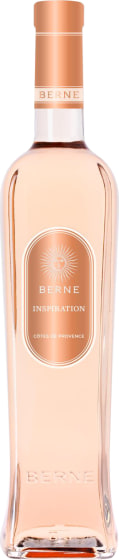
The classic Côtes de Provence rosé is pale salmon with citrus-driven aromatics, moderate acidity, and a clean, dry finish. Most bottles fall in the $12 to $30 range, making this the everyday entry point for serious Provence rosé. Prestige cuvées from top estates can reach $50 or higher, but the appellation's strength is delivering consistent quality at accessible prices. Producers like Château de Berne represent the reliable middle ground of the appellation, where the terroir speaks clearly without demanding a premium price.
Cotes de Provence, Provence, South of France, France ● Rosé
91 Vinous
Sold Out - was $30.00
2. Bandol Rosé
Bandol occupies a small coastal stretch southeast of Marseille and produces some of the most structured rosé in France. The appellation requires a minimum of 50% Mourvèdre in every blend, a grape that demands warm growing conditions and extended vine maturity to reach full expression. Vine yields drop and flavor concentration increases significantly after vines reach 10 to 15 years of age, and many Bandol estates farm Mourvèdre that is considerably older than that. The result is rosé with more weight, texture, and savory complexity than typical Côtes de Provence.
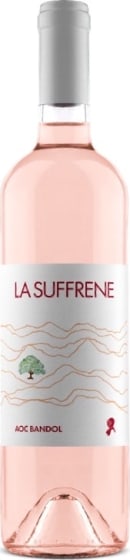
Bandol rosé also ages. Most Provence rosé drinks best young, but Bandol's Mourvèdre-driven structure allows it to develop over 3 to 5 years in bottle, gaining depth and nuance. The higher price floor, typically $25 to $50, reflects both the low-yielding vines and the longer growing cycle that Mourvèdre requires. Domaine la Suffrène is one of several Bandol estates where the Mourvèdre-driven house style produces rosé with savory depth and real cellar potential.
3. Coteaux Varois en Provence and Coteaux d'Aix-en-Provence
These two smaller appellations occupy different climate zones and produce rosés with distinct personalities. Coteaux Varois sits at higher elevation, sheltered by the Massifs de la Sainte-Baume. Cooler nights preserve acidity, and harvest can run as late as early November in some elevated vineyard sites, a full two months after coastal picking begins in early September. The wines tend to be bright, taut, and mineral-driven.
Coteaux d'Aix-en-Provence lies to the west in warmer, less dramatic terrain. Grenache dominates here, producing rosés that are slightly fuller in body with riper fruit character. Cabernet Sauvignon, permitted in this appellation, occasionally adds interest and structure to blends. The landscape may be less spectacular than coastal Provence, but the wines offer approachable, fruit-forward rosé at competitive prices. Both appellations provide strong alternatives to the more heavily marketed Côtes de Provence, often at a lower price for comparable quality.
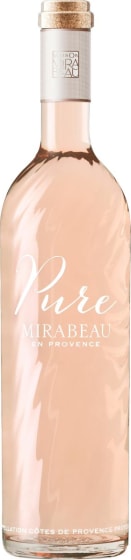
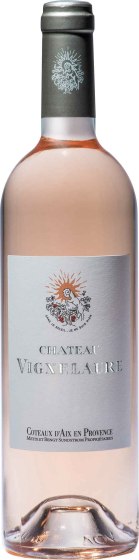
Coteaux d'Aix-en-Provence, Provence, South of France, France ● Rosé
Sold Out - was $28.00
How Provence Rosé Compares to California Rosé
A bone-dry Côtes de Provence rosé and a Sonoma Coast Pinot Noir rosé can both register as pale pink in the glass. They arrive at that color from opposite directions. The Provençal bottle is a blend of Mediterranean grapes, made under strict AOC rules that dictate variety, yield, and dryness. The California bottle is likely a single varietal, made with complete freedom over winemaking method, residual sugar, and style.
Grape varieties mark the first divergence. Provence builds its rosés on Grenache, Cinsault, and Mourvèdre. California draws from Pinot Noir, Grenache, Mourvèdre, and Syrah, but also reaches into Zinfandel, Sangiovese, and other varieties with no regulatory constraint. Climate shapes the wines differently as well. Provence's consistent Mediterranean sunshine produces rosés with moderate alcohol, typically 12.5% to 13.5%. California's warmer inland regions can push alcohol higher, though coastal sites in Sonoma and Santa Barbara often match Provence's restraint.
The sweetness spectrum is where expectations diverge most. AOC rules keep Provence rosé dry. California has no such mandate, so the style range runs from bone-dry to noticeably sweet, sometimes within the same producer's lineup. Body follows a similar pattern: Provence rosés tend toward lighter, more linear profiles, and California versions can range from equally lean to perceptibly richer and rounder. The convergence is real, though. A growing number of California producers are deliberately making Provence-inspired styles: pale, dry, mineral-driven rosé built for the table rather than the tasting room.
California's Provence-Inspired Rosés
Sonoma, Santa Barbara, and the Central Coast have become the centers of California's Provence-inspired movement. These cooler coastal regions offer the moderate temperatures and marine influence that produce lighter, more acid-driven wines. The grapes often differ from Provence, Pinot Noir and Grenache are common, but the winemaking intent is the same: pale color, dry palate, and food-friendly structure.
The result gives buyers something distinctive. These wines carry the Provençal aesthetic of restraint and elegance, filtered through California's diverse terroir and grape access. A Central Coast Grenache rosé or a Santa Barbara vin gris can hold its own alongside its French counterpart at the dinner table.
Provence rosé earns its versatility from high acidity, low tannin, and subtle minerality. Those three qualities let it pair across a wider range of dishes than most still wines. The pairing logic is straightforward: the wine's acidity cuts through richness, its light body avoids overwhelming delicate flavors, and its mineral backbone complements briny and saline ingredients.
Aperitif: Provence rosé's crisp acidity and dry finish make it a natural pre-dinner pour, served chilled to 45 to 50 degrees Fahrenheit, where the citrus and mineral notes are most expressive
Mediterranean fare: Ratatouille, tapenade, salade niçoise, and olive-oil-dressed vegetables all echo the flavors of the region where the wine originates, making these pairings intuitive and reliable
Grilled seafood: Shrimp, branzino, or sardines on the grill gain a smoky char that Provence rosé's acidity and minerality complement without competing against the fish's delicate texture
Lighter proteins: Roast chicken, pork tenderloin, and charcuterie boards all pair well because the wine's body matches the protein's weight rather than overpowering it
Cheese: Fresh goat cheese, feta, and mild sheep's milk varieties mirror the wine's acidity and create a clean, bright pairing that avoids the heaviness of aged hard cheeses
Seasonal occasions: Outdoor gatherings, picnics, and warm-weather grilling are the wine's natural habitat, but a structured Bandol rosé holds up to cooler-weather dishes like roasted root vegetables or mushroom risotto
Provence Rosé Questions, Answered
Is Provence Rosé Always Dry?
AOC regulations require Provence rosé to be dry. The legal framework sets maximum residual sugar levels that keep the wines firmly in the dry category. Some IGP (Indication Géographique Protégée) wines from the broader Provence region may have slightly more perceptible sweetness, but these sit outside the AOC system. If the label says Côtes de Provence, Bandol, or Coteaux Varois en Provence, the wine is dry by regulation and by tradition.
Does the Color of Rosé Indicate Quality?
Paleness in rosé reflects winemaking method, not quality. A very pale rosé signals short skin contact or direct pressing, both of which are stylistic choices that Provence producers make deliberately. Darker rosés are not inferior. They simply had more time on skins, which gives them more body and tannin structure. Bandol rosé, for example, tends to be slightly deeper in color than Côtes de Provence because Mourvèdre contributes more pigment. Color tells you about style and method. It does not tell you whether the wine is good.
Should I Cellar Provence Rosé or Drink It Young?
Most Provence rosé is built to drink within a year of the vintage date. The wines are fermented at cool temperatures to preserve fresh aromatics and bottled early to maintain their brightness. Buying the current or most recent vintage is the safest approach for Côtes de Provence, Coteaux Varois, and Coteaux d'Aix. Bandol rosé is the exception. Its Mourvèdre-driven structure gives it the backbone to age 3 to 5 years, and some producers' top cuvées reward patience with added complexity.
What Does "Côtes de Provence" Mean on a Label?
"Côtes de Provence" is an AOC designation, a legally protected appellation that guarantees the wine was produced within defined geographic boundaries, from approved grape varieties, under specific winemaking standards. The label tells you the wine comes from the largest Provence appellation, that it was made predominantly from Grenache, Cinsault, Mourvèdre, or Syrah, and that it meets the region's yield and quality benchmarks. Some labels add a sub-zone: Sainte-Victoire, Fréjus, La Londe, or Pierrefeu. These indicate a more specific origin within the appellation and often signal a producer's focus on terroir-driven expression.
Your Next Bottle
A citrus-driven Côtes de Provence for a weeknight aperitif, a structured Bandol rosé for a dinner party featuring grilled lamb, or a Coteaux d'Aix bottling for an afternoon on the patio: each appellation offers a different expression of the same region. Knowing where the wine comes from, and how it was made, sharpens every buying decision.
The range within Provence alone runs from everyday $12 bottles to age-worthy, terroir-specific cuvées. Exploring across appellations reveals how much style diversity exists under one regional umbrella. And California's Provence-inspired rosés add another dimension, bringing the pale, dry aesthetic to new grape varieties and coastal terroirs along the Pacific.