Italian Rosé Wine, Explained: Regions, Styles, and Bottles Worth Trying
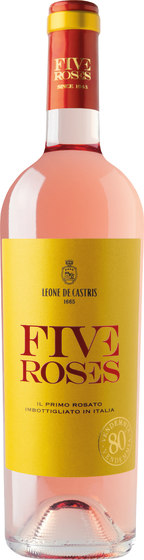
Italy was bottling commercial rosé before Provence made it fashionable. Leone de Castris shipped its first vintage of Five Roses in 1943, drawing color from Negroamaro grapes in the Salento sun, decades before pale pink became a global shorthand for summer drinking. That early bottling hints at something the rest of the wine world is still catching up to: Italian rosato is a category of remarkable range, from crisp, mineral-driven wines that rival anything from the south of France to deeper, structured rosés built for the dinner table.
Italian Rosato at a Glance
The same Montepulciano grape that produces a deep cherry-red Cerasuolo d'Abruzzo in one region yields a pale, citrus-edged Chiaretto in another. That spectrum is the point. Italian rosato is not a single style but a family of wines shaped by local grapes, local traditions, and local names that can confuse even experienced buyers.
The word "rosato" is the standard Italian term for rosé, used across most of the country. But several regions have their own vocabulary. In the Veneto, around Lake Garda, it is "chiaretto," from chiaro (clear or pale). In Abruzzo, it is "cerasuolo," from cerasa (cherry), describing the wine's deeper pink-red hue. In Trentino-Alto Adige, Germanic influence gives us "kretzer." In parts of Tuscany, the traditional term is "vin ruspo," referring to a quick-press method that pulls juice from red grapes before full maceration begins. Each name signals a distinct style and production philosophy.
Where Provence rosé typically aims for a narrow band of pale, dry, delicate wine, Italian rosato occupies a wider range. You will find Provence-adjacent bottles (Chiaretto di Bardolino could pass in a blind tasting), but also wines with enough color, body, and tannin to stand alongside light reds. For a broader look at rosé styles worldwide, Wine.com's rosé primer covers the fundamentals.
How Italian Rosé Gets Its Color
Three production methods account for nearly all Italian rosato, and each leaves a signature on the finished wine. Direct pressing crushes dark-skinned grapes and separates the juice from skins quickly, producing the palest wines with the lightest body. Think of it as a snapshot of the grape: bright fruit, minimal tannin, and the kind of crisp acidity that makes a wine feel refreshing on a warm afternoon.
Short maceration lets the juice sit on the skins for a few hours to a day or more, extracting deeper color, more flavor compounds, and a touch of tannin. Most Italian rosato falls into this category, and the maceration window is where winemakers make their stylistic choice. A four-hour maceration produces something pale and citrus-driven. A 24-hour maceration yields a darker, fuller wine with red-fruit character and enough structure to pair with richer food.
Saignée (called salasso in Italian) takes a different approach entirely. The winemaker begins making a red wine, then "bleeds off" a portion of the juice early in fermentation. Because the primary goal is concentrating the red wine, the rosé is a byproduct, often with more color and body than a wine made by direct pressing or short maceration. The quality of saignée rosato depends heavily on whether the winemaker treats it as a serious wine in its own right or simply as a useful leftover.
Italian Rosé by Region
Italy produces rosato in nearly every winemaking region, but five areas account for the most distinctive and widely available styles. Each one draws on indigenous grape varieties, and each has its own approach to color, weight, and flavor.
1. Veneto: Chiaretto di Bardolino
Chiaretto di Bardolino comes from the western shore of Lake Garda, where Corvina and Rondinella grapes (the same varieties behind Valpolicella and Amarone) produce a pale, delicate rosé. The microclimate matters here. Lake Garda moderates temperatures and generates consistent breezes that help preserve acidity in the grapes, giving the finished wine a crisp, citrus-driven profile with notes of white peach and pink grapefruit.
Bardolino has undergone a quiet transformation over the past two decades. The zone once focused primarily on light red wines, but Chiaretto has become the flagship style, now accounting for the majority of production. The Consorzio has pushed for lighter pressing, cooler fermentation, and earlier bottling, moving the wines closer to Provence in color while keeping the savory, slightly herbal finish that marks them as Italian. If you already enjoy rosé wines, Chiaretto offers the most familiar entry point into Italian rosato, with enough personality to feel like a genuine discovery.
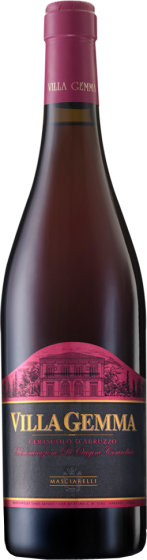
Cerasuolo d'Abruzzo is built from a single grape: Montepulciano (no relation to the Tuscan town of the same name, which grows Sangiovese). The Montepulciano grape is intensely pigmented, and even a short maceration produces wines with a vivid cherry-pink color that looks more like a light red than a typical rosé. The name itself tells you what to expect. "Cerasuolo" derives from the dialect word for cherry, and the flavor profile delivers on that promise: ripe cherry, wild strawberry, and a mineral finish that reflects Abruzzo's limestone-rich hillside vineyards.
What distinguishes Cerasuolo from most rosato is substance. These wines have enough body and structure to reward a year or two of bottle age, which is unusual for any pink wine. Cerasuolo d'Abruzzo earned its own DOC in 2010, separating it from the broader Montepulciano d'Abruzzo designation and recognizing it as a serious wine category rather than a lighter version of red. For a weeknight pasta with tomato-based sauce or grilled sausages, this is one of the most versatile Italian rosés you can open.
Puglia's rosato tradition runs deeper than any other Italian region, anchored by two grapes that produce markedly different styles. Negroamaro, the dominant red grape of the Salento peninsula, makes a rosato with ripe red fruit, a hint of Mediterranean herbs, and a slightly broader texture. This is the grape behind Leone de Castris Five Roses, the wine that launched Italian commercial rosé in 1943. That bottling was originally created for Allied troops stationed in southern Italy, and the estate has produced it continuously for over 80 years.
Bombino Nero, grown farther north around Castel del Monte, yields a lighter, more floral rosé with delicate berry notes. Castel del Monte Bombino Nero holds a distinction worth knowing: it was Italy's first rosato to earn DOCG status, the country's highest quality classification. The two styles represent a useful contrast. Negroamaro rosato suits heartier Mediterranean fare among Italian wines, while Bombino Nero rosato is a natural fit for lighter dishes, seafood, and aperitivo.
Sangiovese, the grape behind Chianti and Brunello di Montalcino, also makes a rosato with high-toned acidity, dried herb notes, and a savory finish that feels distinctly Tuscan. Most Sangiovese rosato comes from direct pressing or very short maceration, keeping the wine pale and lean. The best examples have a chalky, mineral quality that gives them a longer finish than their light body might suggest.
Tuscany's rosé story extends beyond Sangiovese. In Bolgheri, on the coast, producers blend Cabernet Sauvignon, Merlot, and Syrah into rosés with more fruit intensity and a rounder mouthfeel. In Carmignano, the tradition of vin ruspo survives: winemakers bleed off juice from Sangiovese-based red wines during the first hours of maceration, producing a pink wine that carries some of the tannic structure of the parent red. These are rosés with enough grip to pair with grilled lamb or aged pecorino.
5. Sicily and Southern Italy: Volcanic and Sun-Drenched Rosato
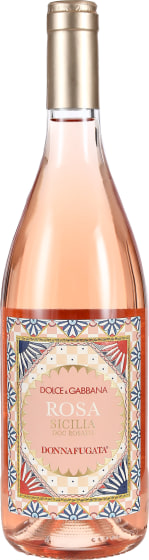
Mount Etna's volcanic slopes have reshaped the conversation about Sicilian wine over the past decade, and rosato is part of that story. Nerello Mascalese, the red grape of Etna, produces a pale, ethereal rosé with vibrant acidity, red currant, and a distinctive mineral undertone that comes directly from the volcanic soil. The cooling altitude of Etna slows grape ripening, resulting in lower sugar and firm natural acidity that gives these wines a precision uncommon in southern Italian rosé.
Elsewhere in Sicily, Nero d'Avola and Frappato produce rosati with more warmth and tropical fruit character. Across the Strait of Messina, Campania offers another volcanic terroir: Aglianico rosato from the hills near Vesuvius brings smoky depth, dark berry fruit, and a tannic backbone that places it among the most structured rosés in Italy. Hand-sorting at harvest eliminates 5-15% of fruit in these meticulous southern estates, ensuring only the ripest, healthiest grapes reach the press.
Italy's rosato landscape extends well beyond the five core regions, with sparkling and alpine styles offering genuinely distinct alternatives. Several of these wines are underrepresented in most Italian rosé guides, which makes them worth singling out for curious drinkers.
Franciacorta, in Lombardy, produces Italy's finest traditional-method sparkling wines, and its rosé bottlings (made from Pinot Nero with Chardonnay) spend a minimum of 30 months on the lees before release. The result is a sparkling rosé with the structure and toasty complexity to stand alongside good Champagne rosé, often at a lower price. In Trentino-Alto Adige, the Lagrein grape produces a rosé called "Kretzer" with enough color and berry fruit to surprise anyone expecting another pale sipper. Lagrein Kretzer carries a Germanic influence in both name and style, reflecting the region's bilingual Alto Adige culture.
Piedmont has begun bottling Nebbiolo rosato, drawing from the same grape behind Barolo and Barbaresco. These wines are rare, pale, and highly aromatic, with rose petal and red cherry notes that showcase Nebbiolo's perfumed side without the tannin of its red counterparts. Lambrusco di Sorbara, from Emilia-Romagna, offers something else entirely: a lightly sparkling, bone-dry rosé with electric acidity and watermelon-like fruit. And in Calabria, Cirò rosato from the Gaglioppo grape provides a rustic, savory alternative with hints of dried herbs and sun-baked earth.
What to Eat with Italian Rosé
Italian rosato's range of styles makes it one of the most food-flexible wine categories in the country. The key is matching the weight of the wine to the weight of the dish.
Crisp, light rosato (Chiaretto di Bardolino, Bombino Nero): Raw seafood, crudo, oysters, shrimp cocktail, caprese salad, light vegetable antipasti, and sushi
Medium-bodied, fruity rosato (Sangiovese, Negroamaro, Nero d'Avola): Tomato-based pasta, margherita pizza, grilled chicken, prosciutto and melon, frittata, and bruschetta with fresh tomatoes
Sparkling rosato (Franciacorta, Lambrusco di Sorbara): Fried appetizers, prosciutto di Parma, smoked salmon, soft cheeses, and celebration cakes
Vin ruspo and saignée-style rosato (Carmignano, Bolgheri blends): Grilled vegetables, roasted red peppers, chicken cacciatore, and mushroom risotto
Italian Rosé Questions, Answered
Is Italian Rosé Dry or Sweet?
Nearly all quality Italian rosato is dry. The perception that rosé is sweet comes largely from inexpensive blush wines and off-dry White Zinfandel, which occupy a different market entirely. Italian winemaking tradition favors dry styles for pink wine, and the major rosato DOCs and DOCGs (Cerasuolo d'Abruzzo, Castel del Monte Bombino Nero, Chiaretto di Bardolino) all require dry fermentation. If the label says "rosato" and carries an Italian appellation, you can expect a dry wine with food-friendly acidity.
What Is the Difference Between Rosato, Chiaretto, and Cerasuolo?
All three terms describe Italian rosé, but each signals a specific regional style. "Rosato" is the generic Italian word for rosé and is used nationwide. "Chiaretto" means "little clear one" and specifically identifies pale rosé from the Lake Garda area in the Veneto. "Cerasuolo" means cherry-colored and refers to the deeper-hued rosé made from Montepulciano in Abruzzo. You may also encounter "kretzer" (Trentino-Alto Adige's Germanic term for rosé) and "vin ruspo" (Tuscany's quick-press tradition). These are not interchangeable labels. Each one tells you something about the grape, the color, and the style you are getting.
How Does Italian Rosé Compare to Provence Rosé?
Provence rosé aims for a consistent profile: very pale, dry, light-bodied, and citrus-driven. Italian rosato covers a much wider range. Chiaretto di Bardolino comes closest to Provence in color and weight, while Cerasuolo d'Abruzzo is darker, fuller, and more structured. Provence uses primarily Grenache, Cinsaut, and Mourvèdre (Garnacha/Grenache being the same grape under different regional names). Italian rosato draws on dozens of indigenous varieties, each with a distinct flavor fingerprint. If you enjoy Provence rosé and want something familiar, start with Chiaretto. If you want something with more personality and body, look toward Cerasuolo or Negroamaro rosato from Puglia.
Can You Age Italian Rosé?
Most Italian rosato is made for immediate drinking, at its best within a year or two of release. The exception is Cerasuolo d'Abruzzo, where the Montepulciano grape's natural tannin and acidity give the wine enough structure to develop over two to four years in bottle. Aged Cerasuolo takes on deeper savory notes, with the bright cherry fruit mellowing into dried strawberry and herb-tinged complexity. Aglianico rosato from Campania can also benefit from a year of bottle age. For everything else, drink it young, drink it cold, and enjoy the freshness that makes rosé appealing in the first place.
What Grapes Are Used in Italian Rosé?
Italian rosato draws on a roster of indigenous varieties that rarely appear in rosé from other countries. The major grapes by region include Corvina and Rondinella (Veneto), Montepulciano (Abruzzo), Negroamaro and Bombino Nero (Puglia), Sangiovese (Tuscany), Nerello Mascalese and Nero d'Avola (Sicily), Aglianico (Campania), and Nebbiolo (Piedmont). Native yeast fermentations, which take longer and are less predictable than commercial yeast, are increasingly common among quality-focused producers because they preserve the site-specific character that makes each region's rosato distinctive.
Where to Start with Italian Rosé
Chiaretto di Bardolino for a summer patio, Cerasuolo d'Abruzzo for a Tuesday-night pasta, Etna Rosato for a dinner party where you want to pour something no one at the table has tried before. Italian rosé is built for specific moments, and the best way to find your style is to start with a region that matches how you eat and drink. The wines covered in this guide range from crisp, Provence-adjacent sippers to structured pinks that can hold their own alongside a plate of grilled lamb.
Italy's rosato tradition spans more grape varieties, more production methods, and more regional identities than any other country's pink wine category. That breadth is the advantage. Instead of choosing between shades of pale, you are choosing between genuinely different wines with different personalities, each shaped by the place it comes from. Exploring across the spectrum is the fastest way to understand what Italian rosé can do.