What Is Rosé Wine? Styles from France, Italy and Spain
Rosé is a pink wine made mostly from red grapes. Styles range from the pale, dry rosés of Provence, usually blends of Grenache, Cinsault and Syrah, to the fuller-bodied rosés of Tavel, the only appellation that makes rosé exclusively. Italy calls it rosato and Spain rosado.
Below is a rundown of the classic styles by country, how to enjoy each one and a bottle to try. For how the color gets into the glass, see how rosé is made.
At a glance
Provence: pale, dry and elegant; Grenache, Cinsault and Syrah.
Italy (rosato): from light and dry to round and fruity; Chiaretto from the Veneto.
Spain (rosado): from deep, barrel-aged styles to pale direct-press wines.
1. Provence: Pale, Dry and Elegant
As one of the premier rosé-producing regions in the world, and one of the most beautiful, Provence has mastered the art of dry, elegant, pale rosé. Provence rosé uses the typical red varieties of the region, including Grenache, Cinsault and Syrah. It is also common practice to add a small percentage of white grapes to the blend. Rolle, known as Vermentino in Italy, is the most popular, as it adds a rich texture to the tart fruit and zippy acidity.
How to enjoy it: Provence rosé delivers the balance you want in a rosé: delicate and refreshing, but also fruity and textured. The hue sits on the lighter side, from pale peach to light pink. It is perfect by the pool, at the beach or at a barbecue, and if you are new to rosé, Provence is the place to start. For more, see our Provence rosé guide.
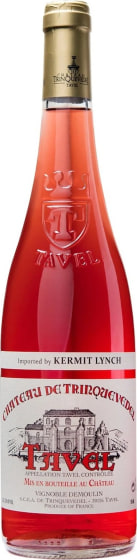
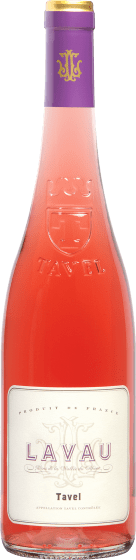
Rosé is not an afterthought in Tavel; it is the region's pride and joy. Tavel is the only appellation in the world that makes rosé exclusively, and its bottles stand out on the shelf: a flute-shaped bottle similar to those of Alsace and Germany, an embossed Tavel crest and a rich pink hue.
How to enjoy it: Tavel represents the fuller-bodied style of rosé, with complex aromas of red summer fruits, rose petal and spice, and a distinctive texture. It is delicious on its own and friendly with rich foods: think Mediterranean-style plates of olives and hummus, cheese and salads. When you want something lighter than red but complex and textured, open a Tavel.
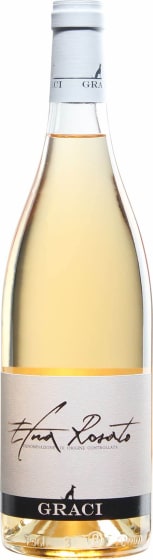
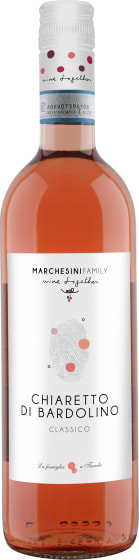
Like its reds, Italy's rosés come in every style, from light and dry to aromatic and spicy or round and fruity. Here it is called rosato (rosati in the plural). Tuscany makes rosati from Sangiovese, with rose petal and white pepper aromas and a fresh, citrusy, strawberry-tinged palate. Piedmont makes light, dry rosati from Nebbiolo that tend to be crisp and bright, with watermelon, rhubarb and cranberry. The Veneto has a distinctive pink wine called Chiaretto (from chiaro, meaning pale or clear), with citrus, wild berry and floral aromas. Look to Alto Adige, Sicily, Umbria and Abruzzo for many more styles. For a deeper dive, see Italian rosé wine, explained.
How to enjoy it: Italian rosato makes a perfect starter wine with charcuterie, grilled seafood or spicy dishes.
Traditionally, Spanish rosés were made in a deeper style, somewhere between a red and a rosé. Today rosado in most regions is made with a very short maceration or by direct press, in which red grapes are pressed quickly to extract very little color. The darker style is typically based on Tempranillo blended with other reds such as Garnacha or Cabernet Sauvignon, and even whites like Viura, and is often aged a few months in large or neutral barrels before bottling.
Navarra is the only DO that specifically defines how its rosés must be made. What the French call saignée, the Spanish call sangrado: "bleeding off" the juice once it reaches the desired color, which gives a mid-hued rosé. Paler, Provence-like styles are in fashion in many regions and can be made by quickly pressing a wide range of grapes, from Tempranillo to Garnacha to Mazuelo.
How to enjoy it: Spanish rosado fits an afternoon at the lake or an evening barbecue. Think lamb kabobs with tzatziki and grilled vegetables, or tapas of sautéed shrimp and spicy empanadas. It is also a good go-to as the days turn cooler in fall.
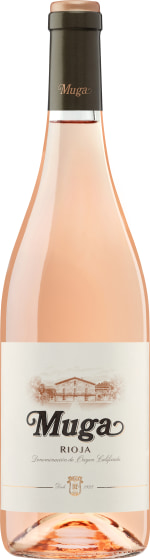
A rosado from Bodegas Muga in Rioja, one of the Spanish regions the section describes. Try it with tapas, grilled vegetables or lamb kabobs.
5. Rosé from Everywhere Else
Rosé is made almost everywhere wine is made, from California to South Africa, in styles from bone-dry to sweet. Shop all rosé, or read about dry rosé and how rosé is made.
Rosé Questions, Answered
What is rosé wine?
A pink wine made mostly from red grapes, in styles from pale and dry, as in Provence, to the fuller-bodied rosés of Tavel. Italy calls it rosato and Spain rosado.
What grapes are in Provence rosé?
The region's red grapes, including Grenache, Cinsault and Syrah, often with a small share of a white grape such as Rolle (Vermentino).
What is Tavel?
An appellation in France that makes only rosé: fuller-bodied, with red summer fruit, rose petal and spice, sold in a flute-shaped bottle with an embossed crest.
What food goes with Tavel rosé?
Rich, Mediterranean-style plates of olives and hummus, cheese and salads.
What is Chiaretto?
A pale rosato from Italy's Veneto, named for the Italian word chiaro (pale or clear), with citrus, wild berry and floral aromas.

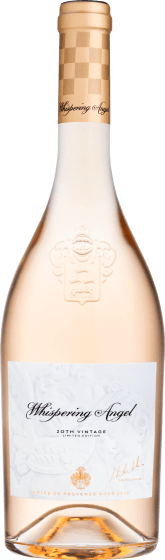 Cotes de Provence, Provence, South of France, France ● Rosé
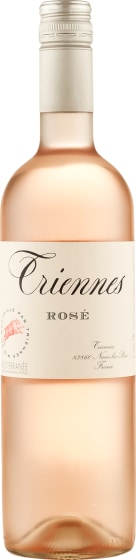 Provence, South of France, France ● Rosé