Blush Wine, Explained: What the Label Means, How It Tastes, and What to Buy
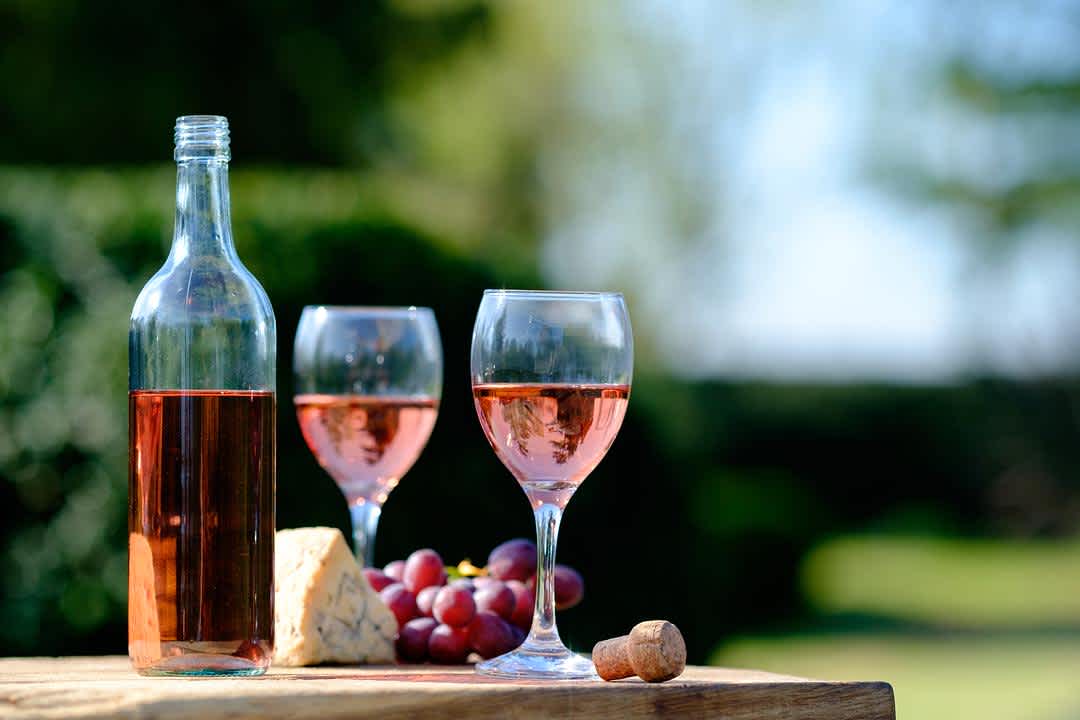
Blush wine is pink wine made from red grapes, and the term itself is an American invention. The style ranges from candy-sweet bottles you can sip by the pool to crisp, dry rosé wines built for a dinner table. This guide covers what blush wine actually is, how it tastes, and which bottles are worth trying at every point on the spectrum.
Blush Wine at a Glance
Blush wine gets its color the same way all pink wine does: red grape skins spend a short time in contact with the juice. Where a red wine might sit on its skins for days or even weeks, blush wine typically sees just 2 to 24 hours of contact. That brief window pulls enough pigment to tint the wine pink without extracting the heavy tannins (the drying, mouth-gripping sensation you feel in bold reds) that define a full red.
The word "blush" entered the American wine vocabulary in the late 1970s and early 1980s, when California producers were looking for a friendlier name than "rosé" to sell pink wine to domestic consumers. White Zinfandel became the runaway hit of the era, and the label stuck. Today, global rosé production sits at roughly 23 to 26 million hectoliters each year, accounting for about 8 to 10 percent of the world's still-wine output. A large share of the sweet, fruit-forward bottles sold in the U.S. still carry the "blush" label.
Most blush wines carry some residual sugar, which is the natural grape sugar left in the wine after fermentation stops. That residual sugar is what makes many blush wines taste noticeably sweet. Some producers, though, make bone-dry versions, so the category is wider than it first appears.
How Blush Wine Gets Its Color
Grape juice starts out clear regardless of whether the grape's skin is red or green. The pink color in blush wine comes from a brief soak with red grape skins, a step winemakers call maceration. A few hours of skin contact produces a pale salmon hue. A full day pushes the color closer to deep pink.
A second, less common method blends a small amount of finished red wine into white wine. Most quality-focused producers prefer the skin-contact approach because it yields a more integrated color and flavor. Champagne is one of the few appellations where the blending method is formally sanctioned for rosé production.
Why the Label Says "Blush" Instead of "Rosé"
American wine drinkers in the 1970s associated "rosé" with cheap, overly sweet imports, and the word itself felt foreign. California producers rebranded their pink wines as "blush" and "White" plus the grape name to make the category feel more approachable. The strategy worked, and White Zinfandel sales surged from roughly 25,000 cases in 1981 to 1.5 million cases just six years later.
Today the two labels signal different styles to most shoppers. "Blush" on a bottle generally means sweeter, fruitier, and more casual. "Rosé" suggests a drier, crisper wine closer to what you would find at a French bistro. European producers use "rosé" regardless of sweetness level, so the distinction is largely an American convention.
How Blush Wine Tastes
The first thing you will likely notice about a blush wine is its color: a translucent pink that can range from barely-there salmon to vivid watermelon. Bring the glass to your nose and you will pick up fruit-forward aromas like fresh strawberry, ripe melon, and cherry candy.
Most commercial blush wines carry 1 to 3 percent residual sugar, which places them in the off-dry to moderately sweet range. That sweetness rounds out the acidity and makes the wine feel smooth and easy to drink. Common flavor notes include strawberry, watermelon, cherry, and cantaloupe. Compared to a dry rosé, blush wine tends to have a softer mouthfeel and less of the crisp, mineral-driven finish that comes from full fermentation.
Dry rosé, by contrast, ferments until nearly all the sugar is consumed. The result is lighter in body with brighter acidity and savory notes like citrus peel, white peach, and crushed stone. If you are new to pink wine, blush is often the gentler starting point, and dry rosé is the destination many drinkers eventually explore.
Blush Wine by Style
Pink wine sits on a spectrum from sweet to dry, and the label on the bottle often hints at where a wine falls. The three categories below cover the full range you will encounter on a shelf or a wine list.
1. Sweet Blush (White Zinfandel Style)
This is the classic American blush wine: candy-pink, overtly fruity, with enough residual sugar to taste unambiguously sweet. White Zinfandel defined the category for decades and served as a gateway wine for an entire generation of American wine drinkers. The style is designed to be served well-chilled, ideally between 40 and 45 degrees Fahrenheit, so the sweetness stays refreshing rather than cloying.
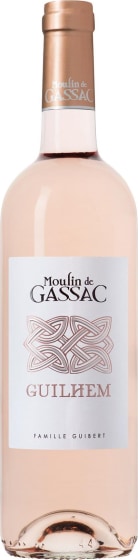
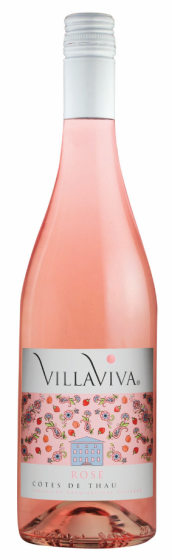
Sweet blush works best at casual gatherings, poolside afternoons, and weekend brunches where the mood is relaxed. Its fruit-forward flavor profile pairs well with spicy food because the sugar tempers heat on the palate. These rosé selections capture that same sweet blush spirit with bright fruit and approachable sweetness.
Off-dry blush occupies the middle ground between overtly sweet and fully dry. You will still taste a touch of sweetness, but the wine has more structure and a slightly drier finish than a classic White Zinfandel. Common grapes in this style include Grenache (also called Garnacha in Spain), Merlot, and Cinsault.
This style is a comfortable landing spot if you find dry wines too tart but want something with a bit more complexity than candy-sweet blush. An off-dry rosé pairs easily with a weeknight dinner or a simple appetizer spread. The hint of sugar softens sharper flavors without overwhelming the food.
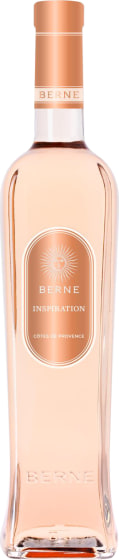
Cotes de Provence, Provence, South of France, France ● Rosé
91 Wilfred Wong
Sold Out - was $25.00
3. Dry Rosé (The Modern Standard)
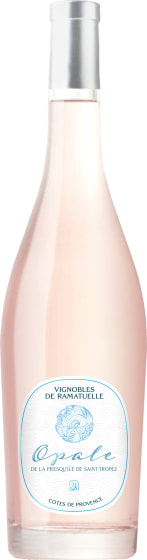
Dry rosé is the style that replaced "blush" on most restaurant wine lists and bottle shop shelves. These wines are fermented until nearly all residual sugar is gone, leaving a crisp, mineral-driven wine with bright acidity. Provence is the benchmark: pale pink, bone-dry, and built around Grenache, Syrah, Mourvèdre, and Cinsault.
Provence has been producing wine for over 2,600 years, and rosé accounts for roughly 90 percent of the region's output today. The "rosé" label on these bottles signals dry and food-friendly, which is one reason winemakers in this style prefer the French term over the American "blush." Dry rosé rewards a slightly warmer serving temperature, around 45 to 50 degrees Fahrenheit, which lets its savory, herbal notes come through.
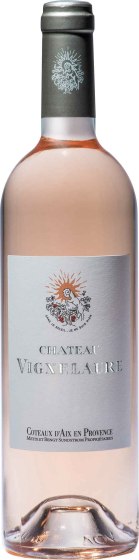
Coteaux d'Aix-en-Provence, Provence, South of France, France ● Rosé
92 Wine Enthusiast
$31.97
$31.97
What to Eat With Blush Wine
The right food match depends on where your bottle falls on the sweet-to-dry spectrum. Sweeter blush wines handle heat and bold flavors. Drier rosé wines lean toward lighter, savory dishes. Use the pairings below as a starting point and adjust to your own taste.
Sweet blush with spicy food: The residual sugar in a sweet blush cools the burn of Thai curries, salsa-heavy Mexican dishes, and Cajun-spiced shrimp. The fruit flavors echo the bright, fresh garnishes common in those cuisines
Sweet blush with fruit desserts: Strawberry shortcake, peach cobbler, and mixed-berry tarts mirror the fruity character of the wine. Serve both the dessert and the wine cold for the best balance
Sweet blush with brunch: Pancakes with maple syrup, eggs Benedict, and smoked salmon bagels all work well because the wine's sweetness complements rich, savory-sweet morning flavors
Off-dry rosé with grilled salmon: The wine's subtle sweetness and moderate acidity match the richness of the fish without overpowering its delicate flavor
Off-dry rosé with goat cheese salad: Tangy goat cheese, bitter greens, and a citrus vinaigrette find a natural partner in a rosé that has just enough sweetness to balance the acidity
Off-dry rosé with light pasta: A simple garlic-and-olive-oil pasta or a lemon-cream sauce pairs well because the wine's body matches the dish's weight
Dry rosé with Mediterranean cuisine: Grilled lamb, roasted vegetables, hummus, and olive tapenade share the savory, herb-driven character of a Pinot Noir-based or Grenache-based dry rosé
Dry rosé with charcuterie: Cured meats, aged cheeses, cornichons, and crusty bread let the wine's acidity and minerality shine as a palate cleanser between bites
Dry rosé with grilled vegetables: Charred zucchini, bell peppers, and eggplant pick up smoky notes that complement the wine's crisp finish
You can serve blush and rosé wines anywhere from 40 to 50 degrees Fahrenheit. Sweeter styles taste best at the colder end of that range, around 40 to 45 degrees. Dry rosé benefits from a few extra degrees, closer to 45 to 50 degrees, which lets more of its aromatic complexity come through.
Blush Wine Questions, Answered
Is Blush Wine the Same as Rosé?
Not exactly. "Blush" is an American marketing term that emerged in the late 1970s to make pink wine more appealing to domestic consumers. "Rosé" is the broader, internationally recognized category that covers all pink wine regardless of sweetness. All blush wines are a type of rosé, but not all rosés would be called blush. In practice, a bottle labeled "blush" tends to be sweeter and fruitier, while "rosé" on the label usually signals a drier, crisper style.
Is Blush Wine Sweet or Dry?
Most commercial blush wines are slightly sweet, carrying about 1 to 3 percent residual sugar. Dry versions exist but are less common under the "blush" label. If you are looking for something sweet and fruity, a bottle labeled "blush" or "White Zinfandel" is a reliable choice. If you prefer dry, look for "rosé" on the label, or check the back label for terms like "dry" or "brut."
What Grapes Make Blush Wine?
The most common grape behind blush wine is Zinfandel (also known as Primitivo in Italy), which produces White Zinfandel. Other red grapes used for blush and rosé include Merlot, Cabernet Sauvignon, Grenache, and Pinot Noir. The grape itself is always red-skinned. Brief skin contact during winemaking is what creates the pink color rather than the deep red of a full red wine.
How Should I Serve Blush Wine?
Serve blush wine chilled. Sweeter styles taste best between 40 and 45 degrees Fahrenheit, which keeps the sugar from tasting heavy. Dry rosé benefits from a slightly warmer pour, around 45 to 50 degrees, to let its more delicate aromas open up. A standard kitchen refrigerator runs around 35 to 38 degrees, so pull the bottle out 5 to 10 minutes before pouring to let it warm slightly.
Your Next Bottle
Whether you are reaching for a sweet blush at a summer cookout, pouring an off-dry rosé with weeknight salmon, or opening a dry Provençal bottle for a dinner party, the label gives you a reliable clue. "Blush" means pink, fruit-forward, and leaning toward the sweeter side. "Rosé" on its own usually means dry and food-friendly. Matching the style to the occasion is the fastest way to pick a bottle you will enjoy.
Try wines across the blush-to-rosé spectrum to find where your preferences land. Start with a sweet blush if you are new to wine, then work toward drier styles as your palate adjusts. Or pick up one bottle from each category and taste them side by side: the differences in sweetness, acidity, and body become obvious when you compare them in a single sitting.