Barossa Valley Barossa, Australia 3 Items

You're no longer following this brand
You'll no longer receive alerts for new arrivals and brand updates
- Barossa Valley clear Nested Region filter
-
Product Types Any
-
Gift Type Any
-
Occasion Any
-
Curated Set Contents Any
-
Spirit Type Any
-
Wine Type Any
-
Region Barossa Valley
-
Availability Ships Anytime
-
Size & Type Any
-
Fine Wine Any
-
Vintage Any
-
Reviewed By James Suckling
-
Sort By Relevancy
-
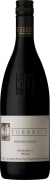 Torbreck Woodcutter's Shiraz 2023Barossa Valley, Barossa, South Australia, Australia ● Syrah/Shiraz
-
James
Suckling -
Australian
Wine Companion -
Robert
Parker -
Wine
Spectator
4.3 Very Good (17)- Screw Cap
Ships Thu, Jul 16Limit 120 per customerSold in increments of 0 -
James
-
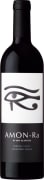 Glaetzer Amon-Ra Shiraz 2020Barossa Valley, Barossa, South Australia, Australia ● Syrah/Shiraz
-
Robert
Parker -
Australian
Wine Companion -
James
Suckling
Ships TomorrowLimit 120 per customerSold in increments of 0 -
Robert
-
 Torbreck RunRig 2020Barossa Valley, Barossa, South Australia, Australia ● Syrah/Shiraz
-
James
Suckling -
Robert
Parker -
Wine
Enthusiast -
Wine
Spectator
Ships TomorrowLimit 120 per customerSold in increments of 0 -
James
Browse by Category
Red White Sparkling Rosé Spirits GiftsLearn about Barossa Valley wine, common tasting notes, where the region is and more ...
Historically and presently the most important wine-producing region of Australia, the Barossa Valley is set in the Barossa zone of South Australia, where more than half of the country’s wine is made. Because the climate is very hot and dry, vineyard managers work diligently to ensure grapes reach the perfect levels of phenolic ripeness.
The intense heat is ideal for plush, bold reds, particularly Shiraz on its own or Rhône Blends. Often Shiraz and Cabernet partner up for plump and powerful reds.
While much less prevalent, light-skinned varieties such as Riesling, Viognier or Semillon produce vibrant Barossa Valley whites.
Most of Australia’s largest wine producers are based here and Shiraz plantings date back as far as the 1850s or before. Many of them are dry farmed and bush trained, still offering less than one ton per acre of inky, intense, purple juice.