


Winemaker Notes
Deep garnet color, very typical of the Valmaggiore bottlings. Roses, red cherries and spiced blood orange with red grapefruit peel dominate the aromas. On the palate, lots of spicy red cherries and floral notes, with good length and very fresh acidity. The ripe tannins give a good medium-bodied structure, and the wine is light on its feet. The finish shows length with mineral and earthy notes under the fruit and freshness. A few years of patience will be amply rewarded.
Professional Ratings
-
James Suckling
A layered wine with red currants, red cherries, licorice and dried flowers on the nose. Light-bodied, this shows savoriness with an overall austere structure and a crisp and balanced finish.
-
Robert Parker's Wine Advocate
The Luciano Sandrone 2023 Nebbiolo d'Alba Valmaggiore shows dark fruit aromas with hints of grilled herb, tar, eggplant skin and black olive that recall a hot growing season. To the palate, the wine is quite streamlined with moderate length. This is a more accessible vintage for near-term drinking. This 28,000-bottle release draws its fruit from the village of Vezza d'Alba.
-
Vinous
The 2023 Nebbiolo d'Alba Valmaggiore is a very pretty, aromatic wine. Crushed flowers, ripe red-toned fruit, kirsch, cinnamon, rose petal and hard candy all grace this silky, perfumed Nebbiolo. The 2023 is distinctly Pinot-leaning in its inner sweetness and mid-weight feel.
-
Wine Spectator
A mix of cherry, cinnamon and earth flavors, this red is elegant yet lean and firmly structured. An astringent feel graces the finish, where the fruit is buried for now. Classy. Best from 2026 through 2033.
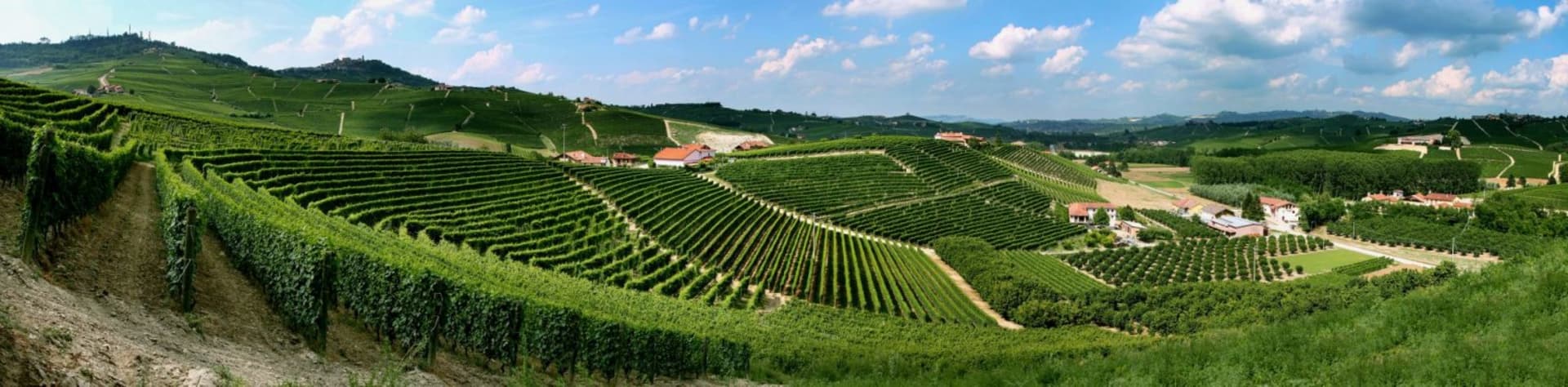


Luciano Sandrone is one of the most iconic producers in Barolo, and his is both a well known and extraordinary story. He started to learn viticulture at the age of 14 or 15, and after years of work as a cellarman he depleted his life savings and purchased his first vineyard on the Cannubi hill in 1977, though he could only manage his land on the weekends while he continued to work. He made his first vintage in 1978, in the garage of his parents, and then spent years refining his ideas about how to make a wine of distinction and utmost quality that respected the traditions of Barolo while incorporating new ideas and understanding about viticulture and vinification. He made every vintage until 1999 at home, until the winery he constructed in 1998 was ready for use.
Sandrone's wines are sometimes described as straddling the modern and traditional styles in the region: elegant, attractive and easy to appreciate right from their first years in bottle, but with no less power and structure than traditional Barolos. Along with the extremely low yields in the vineyard and an obsessive attention to training, pruning and harvesting, Sandrone has a very rational approach in the cellar. This approach, however, is also unique and outside of simple classification: Sandrone subjects his wines to medium-length maceration period, shorter than traditional, but makes limited use of new oak in the maturation process, which takes place in 500 liter tonneaux, all signs of a more traditional approach in the cellar. The entire range of wines, all limited in production, are jewels of impeccably balanced concentration and precision, and the ability to age for long periods of time.

Responsible for some of the most elegant and age-worthy wines in the world, Nebbiolo, named for the ubiquitous autumnal fog (called nebbia in Italian), is the star variety of northern Italy’s Piedmont region. Grown throughout the area, as well as in the neighboring Valle d’Aosta and Valtellina, it reaches its highest potential in the Piedmontese villages of Barolo, Barbaresco and Roero. Outside of Italy, growers are still very much in the experimentation stage but some success has been achieved in parts of California. Somm Secret—If you’re new to Nebbiolo, start with a charming, wallet-friendly, early-drinking Langhe Nebbiolo or Nebbiolo d'Alba.

Even to this day, the Roero folklore lives on about witchcraft lurking behind its dramatic contours and obscure woods—but these stories only add to the region’s allure and charm. Actually today Roero winemakers are some of the most astute and motivated in Piedmont. While the white Arneis has attracted global attention for some time, now Roero Nebbiolo wines (elevated to the same DOCG status as Barolo and Barbaresco) are making a name for themselves. Keep an eye on any labeled with the vineyard, Valmaggiore, as Barolo producers have been investing here for years. If you’re looking for hidden gems, this is your region!