


Winemaker Notes
The 2021 Valmaggiore is an exercise in restraint. It offers up pretty, uplifting aromas of red fruits, roses, white pepper and freshly-picked violets. On the palate, red fruits are front and center, framed by tobacco, spice and mineral notes. The tannins are both strong and soft yet give the wine its unmistakable mid-weight structure. The acidity is bracingly fresh, and the finish long and layered, with red fruits, graphite and earth notes lingering.
Professional Ratings
-
Vinous
The 2021 Nebbiolo d'Alba Valmaggiore is a serious, serious wine that needs time in the cellar to be at its best. It shows the lighter style of Nebbiolo from Roero, but with all the elements dialed up. I especially admire its mid-palate depth and overall resonance. Succulent red cherry, white pepper, cedar, mint and orange peel all take shape in this super-expressive Nebbiolo.
-
Robert Parker's Wine Advocate
The Luciano Sandrone 2021 Nebbiolo d'Alba Valmaggiore shows fun aromas with something that reminds me of honey granola or protein bar with a full load of dried blueberries and raspberry piled on top. The wine offers good primary fruit, substantial weight and lots of other interesting tones to flesh it out. Those range from spice to wet earth. I love the rich approach to the palate, which remains important, but it's also elegantly balanced in this wine. 28,000 bottles were released.
-
Wine Enthusiast
The Valmaggiore of Sandrone is a benchmark wine. This vintage, the wine leaps from the glass with aromas of macerated raspberries, tea leaves, sweet and savory spices, rosebud and wild herbs. The structured palate opens with ripe cherries dusted with allspice and clove, then evolves into savory and earthy notes that are all surrounded by fine and firm tannins. Drink now–2040.
-
James Suckling
This is flavorful and red-fruited with hints of citrus and hibiscus on offer. Medium-bodied and crunchy with chalky texture and a vivid, mineral finish.
-
Wine Spectator
Though leaning to the muscular side, with a solid structure, this also possesses generous cherry and raspberry fruit. Leads with a smooth texture, giving in to dusty tannins on the finish.


Luciano Sandrone is one of the most iconic producers in Barolo, and his is both a well known and extraordinary story. He started to learn viticulture at the age of 14 or 15, and after years of work as a cellarman he depleted his life savings and purchased his first vineyard on the Cannubi hill in 1977, though he could only manage his land on the weekends while he continued to work. He made his first vintage in 1978, in the garage of his parents, and then spent years refining his ideas about how to make a wine of distinction and utmost quality that respected the traditions of Barolo while incorporating new ideas and understanding about viticulture and vinification. He made every vintage until 1999 at home, until the winery he constructed in 1998 was ready for use.
Sandrone's wines are sometimes described as straddling the modern and traditional styles in the region: elegant, attractive and easy to appreciate right from their first years in bottle, but with no less power and structure than traditional Barolos. Along with the extremely low yields in the vineyard and an obsessive attention to training, pruning and harvesting, Sandrone has a very rational approach in the cellar. This approach, however, is also unique and outside of simple classification: Sandrone subjects his wines to medium-length maceration period, shorter than traditional, but makes limited use of new oak in the maturation process, which takes place in 500 liter tonneaux, all signs of a more traditional approach in the cellar. The entire range of wines, all limited in production, are jewels of impeccably balanced concentration and precision, and the ability to age for long periods of time.

Responsible for some of the most elegant and age-worthy wines in the world, Nebbiolo, named for the ubiquitous autumnal fog (called nebbia in Italian), is the star variety of northern Italy’s Piedmont region. Grown throughout the area, as well as in the neighboring Valle d’Aosta and Valtellina, it reaches its highest potential in the Piedmontese villages of Barolo, Barbaresco and Roero. Outside of Italy, growers are still very much in the experimentation stage but some success has been achieved in parts of California. Somm Secret—If you’re new to Nebbiolo, start with a charming, wallet-friendly, early-drinking Langhe Nebbiolo or Nebbiolo d'Alba.

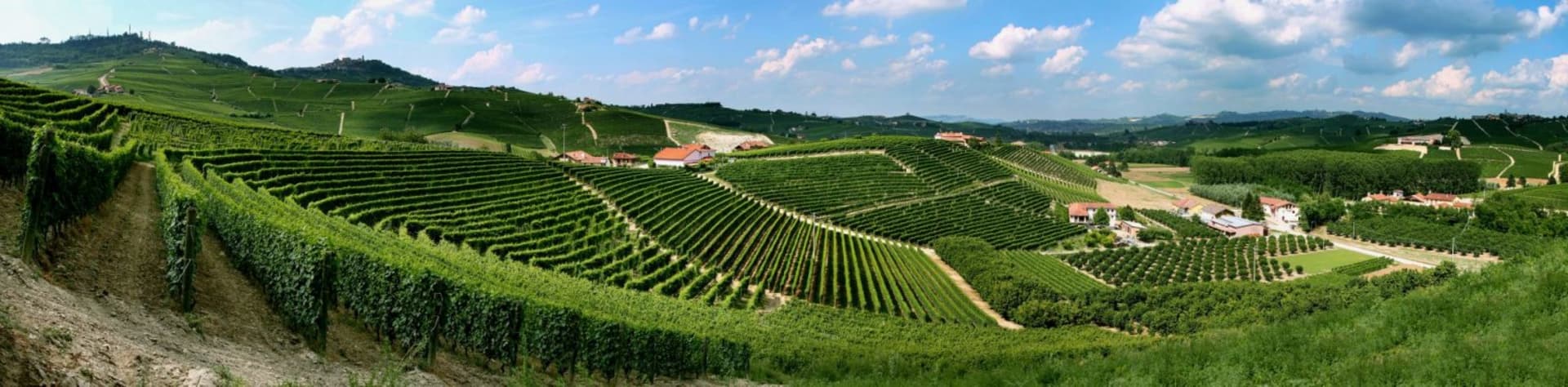
Even to this day, the Roero folklore lives on about witchcraft lurking behind its dramatic contours and obscure woods—but these stories only add to the region’s allure and charm. Actually today Roero winemakers are some of the most astute and motivated in Piedmont. While the white Arneis has attracted global attention for some time, now Roero Nebbiolo wines (elevated to the same DOCG status as Barolo and Barbaresco) are making a name for themselves. Keep an eye on any labeled with the vineyard, Valmaggiore, as Barolo producers have been investing here for years. If you’re looking for hidden gems, this is your region!