

Winemaker Notes
Professional Ratings
-
Robert Parker's Wine Advocate
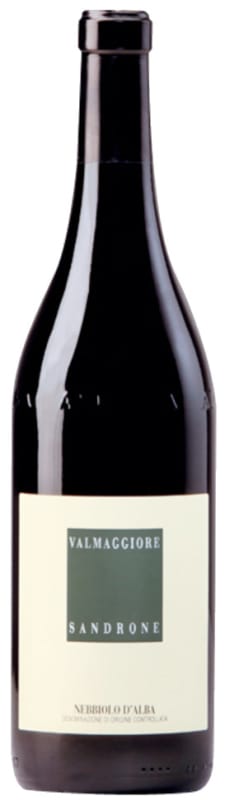
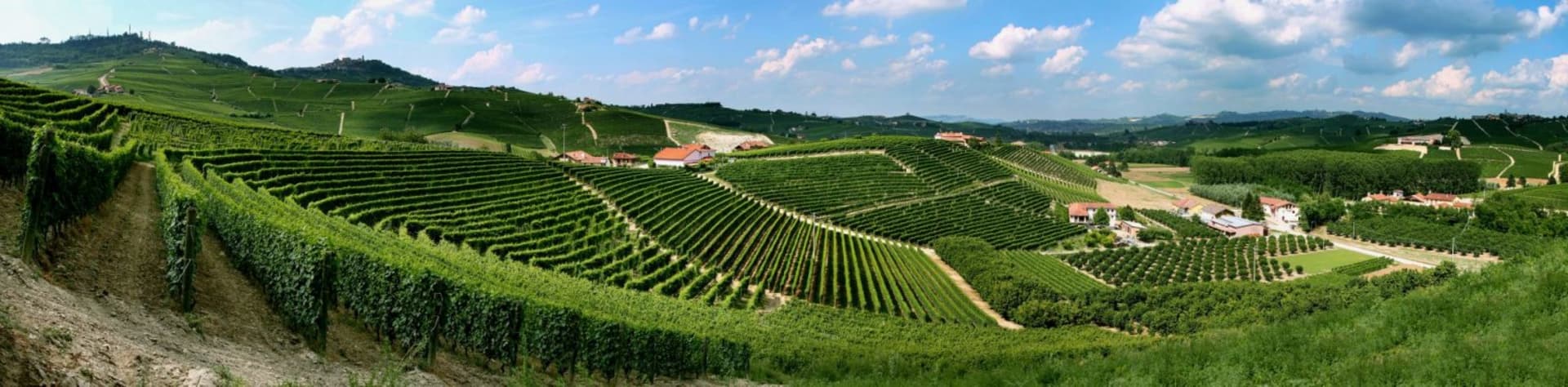
The Valmaggiore vineyard in Roero hill on the left bank of the Tanaro river has been pumping out some really impressive fruit lately. The 2015 Nebbiolo d'Alba Valmaggiore is a prime example of this site-specific excellence. Nebbiolo from Valmaggiore tends to reveals floral intensity and that's what you pick up here. The bouquet is laced with many small details that keep your attention and form a greater web of nuance and complexity. Violets, wild berries, campfire ash and licorice root are part of this winning formula. The mouthfeel is consistently linear and tight. The Sandrone family first came to Valmaggiore in 1990. It took them several years to buy up the 28 individual parcels that form the three-hectare holding farmed today.
Rating:93+ -
Wine & Spirits
The sandy soils of Sandrone’s Valmaggiore vineyard yielded a floral and fruit-forward wine in 2015. Scents of rose and cherry blossoms lead to red-berry flavors with mouthwatering acidity, while fine tannins zip up the fruit in a firm, juicy package. It has the structure to age, yet its energetic fruit flavors are nearly irresistible now.
-
Wine Spectator
A cherry- and berry-flavored red, showing fine tension and structure. Made in a firm, sinewy style, with accents of earth, licorice and mineral. Finishes with a chalky sensation. Drink now through 2024.


Luciano Sandrone is one of the most iconic producers in Barolo, and his is both a well known and extraordinary story. He started to learn viticulture at the age of 14 or 15, and after years of work as a cellarman he depleted his life savings and purchased his first vineyard on the Cannubi hill in 1977, though he could only manage his land on the weekends while he continued to work. He made his first vintage in 1978, in the garage of his parents, and then spent years refining his ideas about how to make a wine of distinction and utmost quality that respected the traditions of Barolo while incorporating new ideas and understanding about viticulture and vinification. He made every vintage until 1999 at home, until the winery he constructed in 1998 was ready for use.
Sandrone's wines are sometimes described as straddling the modern and traditional styles in the region: elegant, attractive and easy to appreciate right from their first years in bottle, but with no less power and structure than traditional Barolos. Along with the extremely low yields in the vineyard and an obsessive attention to training, pruning and harvesting, Sandrone has a very rational approach in the cellar. This approach, however, is also unique and outside of simple classification: Sandrone subjects his wines to medium-length maceration period, shorter than traditional, but makes limited use of new oak in the maturation process, which takes place in 500 liter tonneaux, all signs of a more traditional approach in the cellar. The entire range of wines, all limited in production, are jewels of impeccably balanced concentration and precision, and the ability to age for long periods of time.

Responsible for some of the most elegant and age-worthy wines in the world, Nebbiolo, named for the ubiquitous autumnal fog (called nebbia in Italian), is the star variety of northern Italy’s Piedmont region. Grown throughout the area, as well as in the neighboring Valle d’Aosta and Valtellina, it reaches its highest potential in the Piedmontese villages of Barolo, Barbaresco and Roero. Outside of Italy, growers are still very much in the experimentation stage but some success has been achieved in parts of California. Somm Secret—If you’re new to Nebbiolo, start with a charming, wallet-friendly, early-drinking Langhe Nebbiolo or Nebbiolo d'Alba.

Even to this day, the Roero folklore lives on about witchcraft lurking behind its dramatic contours and obscure woods—but these stories only add to the region’s allure and charm. Actually today Roero winemakers are some of the most astute and motivated in Piedmont. While the white Arneis has attracted global attention for some time, now Roero Nebbiolo wines (elevated to the same DOCG status as Barolo and Barbaresco) are making a name for themselves. Keep an eye on any labeled with the vineyard, Valmaggiore, as Barolo producers have been investing here for years. If you’re looking for hidden gems, this is your region!