


Winemaker Notes
Complex aromas of herbs and spices with the palate showing a dense quality. Finishes long with great staying potential.
Professional Ratings
-
Robert Parker's Wine Advocate
2013 was a challenging vintage in Rioja for reds and that's what got stuck in the collective memory, but it somehow seems to be much better for whites. The 2013 Blanco from Remelluri is one of the best vintages ever produced. This has always been a blend of nine different grape varieties with the idea that the blend would erase the imprint from each variety and would show the character of the place. The white varieties are always planted in the poorer, whiter soils, and in this case also the higher altitude places, where the soils are shallow and rich in marls and sandstone. It fermented in small stainless steel and oak vats with indigenous yeasts and matured in oak barrel for one year. The nose is slightly oaky with a core of flowers, pollen, orange peel, spices and wet chalk. The palate shows good freshness and it's very tasty, with salty, chalky minerality. This is fine and elegant. There is some creaminess, perhaps not as crisp as I expected for the vintage. From 2013 onward, all of the Remelluri vineyards are organically certified. Some 6,000 bottles were filled in May 2015.
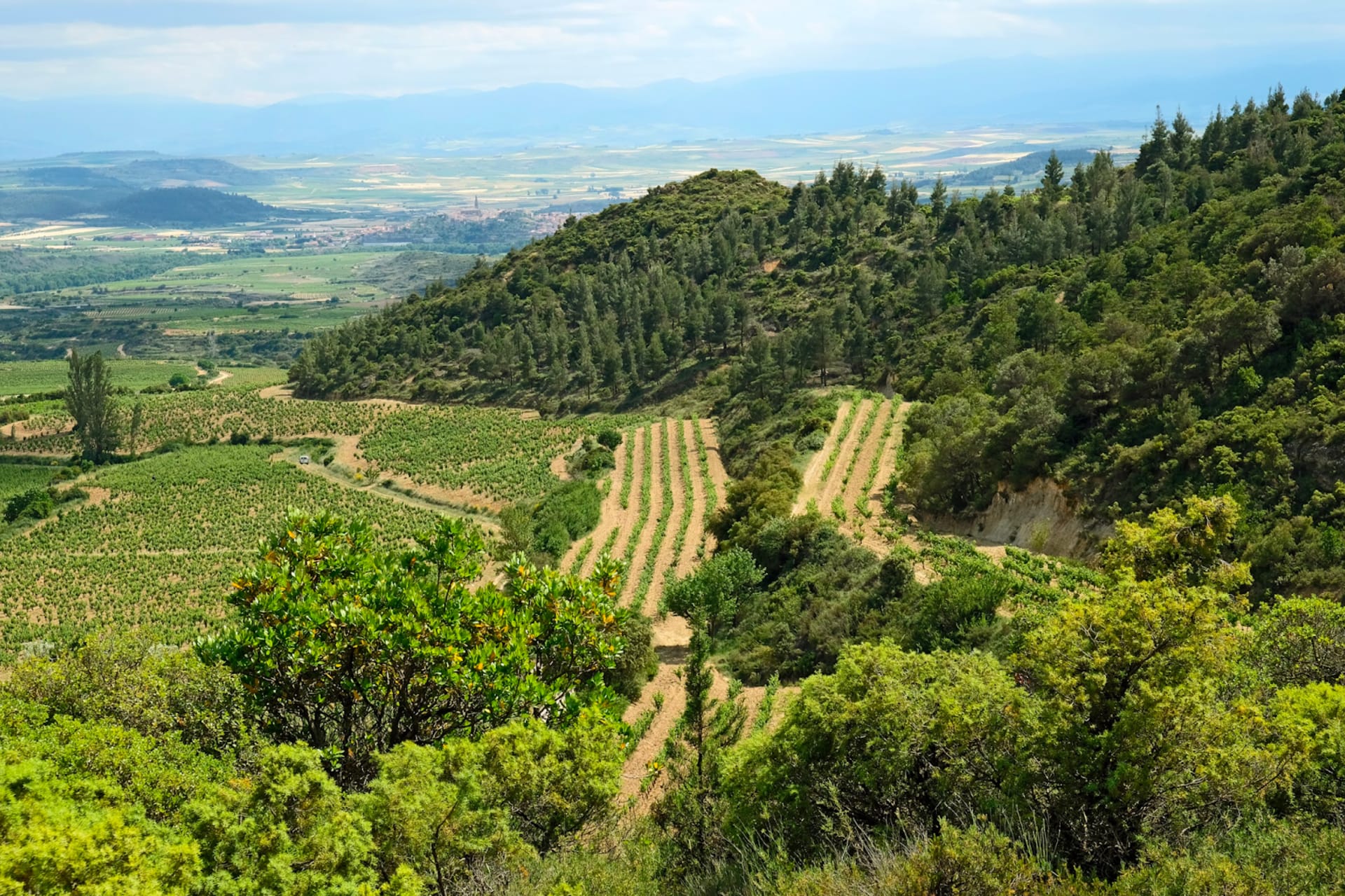


Remelluri is one of the most timeless and iconic landscapes of the wine world, as well as one of the most enchanting vineyards in Spain. While firmly anchored in its historical past, Remelluri illuminates the path forward for not only the future of Rioja but also world-class, terroir-based fine wines produced in Spain. It is about rediscovering the essence of Rioja, and the story’s evolution is genuinely cinematic in scope. At Remelluri, the future lies in the past.
The estate’s origins date back to the tenth century when Count Erramel, a Basque warrior and aristocrat from Álava, founded a small village on the site (uri in Basque); hence the name Erramel Uri evolved to Remelluri. The first wines were made here in the fourteenth century. The modern winery was established in 1967 when Jaime Rodríguez Salís purchased the vineyards at the heart of the former estate and began to make wine from the ancient, abandoned site. Remelluri became the first single-vineyard Rioja of the modern era with its release of the 1971 vintage, standing out from a conservative wine culture based on house style and blends of purchased wines from throughout Rioja. Remelluri was founded on individuality and the concepts of terroir and specificity, always distinct from the industrial machine of greater Rioja.
Remelluri’s vineyards are located along the slopes of the Sierra de Toloño mountains, just above the village of Labastida in Rioja Alavesa. The vineyards here are at the highest elevation in the Rioja region with vines planted between 500 and 950 meters, south-facing, and protected from the prevailing northern winds and frost. The estate consists of more than 80 individual plots, all of which are vinified separately. One of the keys to the location’s significance is that the vines are planted in terraced amphitheaters following the contours of the mountainside, which shelters them from the harsh weather on the leeward side. This ideal location is why generations of inhabitants have sought shelter and farmed the site for centuries.
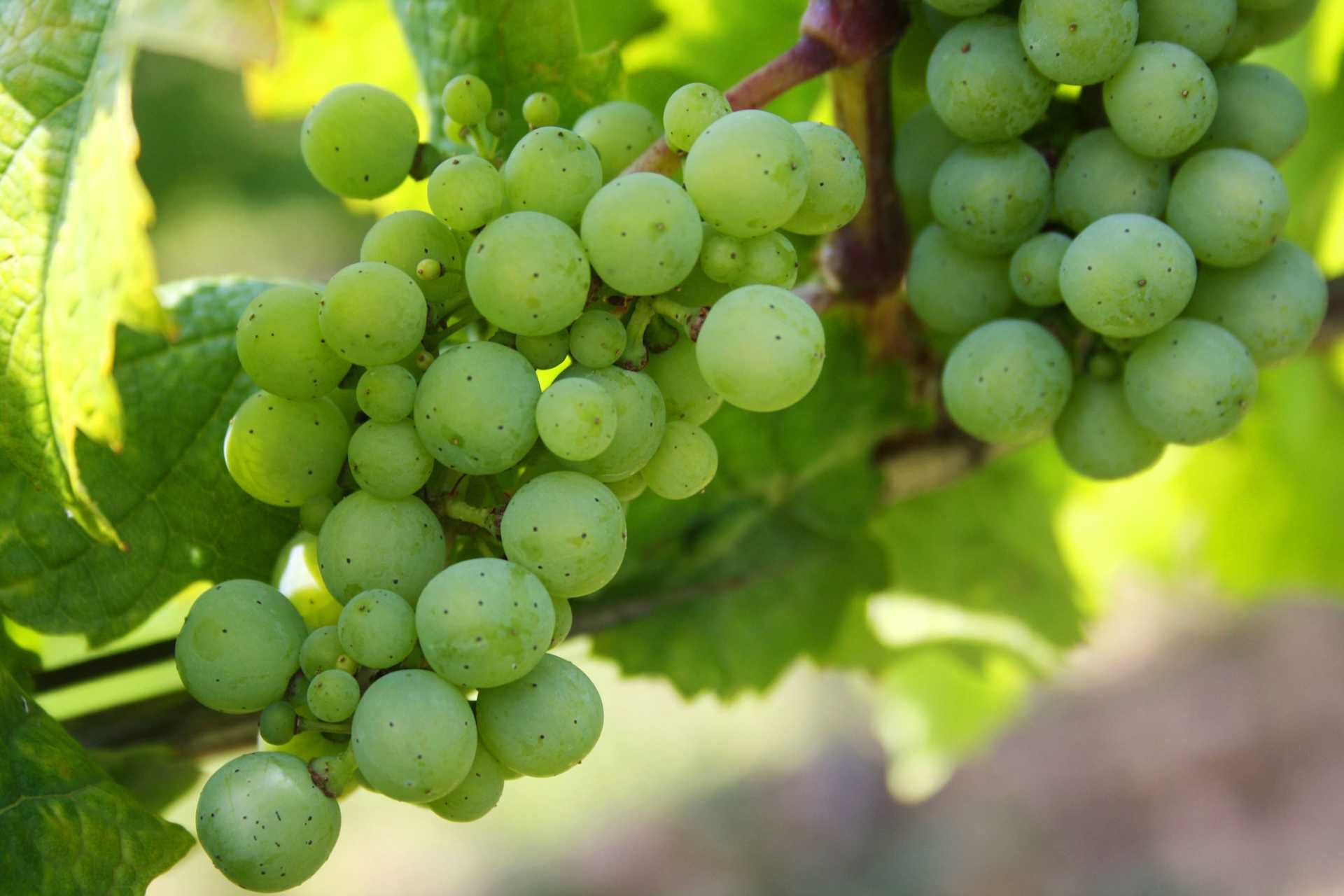
With hundreds of white grape varieties to choose from, winemakers have the freedom to create a virtually endless assortment of blended white wines. In many European regions, strict laws are in place determining the set of varieties that may be used in white wine blends, but in the New World, experimentation is permitted and encouraged. Blending can be utilized to enhance balance or create complexity, lending different layers of flavors and aromas. For example, a variety that creates a soft and full-bodied white wine blend, like Chardonnay, would do well combined with one that is more fragrant and naturally high in acidity. Sometimes small amounts of a particular variety are added to boost color or aromatics. Blending can take place before or after fermentation, with the latter, more popular option giving more control to the winemaker over the final qualities of the wine.

Highly regarded for distinctive and age-worthy red wines, Rioja is Spain’s most celebrated wine region. Made up of three different sub-regions of varying elevation: Rioja Alta, Rioja Alavesa and Rioja Oriental. Wines are typically a blend of fruit from all three, although specific sub-region (zonas), village (municipios) and vineyard (viñedo singular) wines can now be labeled. Rioja Alta, at the highest elevation, is considered to be the source of the brightest, most elegant fruit, while grapes from the warmer and drier Rioja Oriental produce wines with deep color and higher alcohol, which can add great body and richness to a blend.
Fresh and fruity Rioja wines labeled, Joven, (meaning young) see minimal aging before release, but more serious Rioja wines undergo multiple years in oak. Crianza and Reserva styles are aged for one year in oak, and Gran Reserva at least two, but in practice this maturation period is often quite a bit longer—up to about fifteen years.
Tempranillo provides the backbone of Rioja red wines, adding complex notes of red and black fruit, leather, toast and tobacco, while Garnacha supplies body. In smaller percentages, Graciano and Mazuelo (Carignan) often serve as “seasoning” with additional flavors and aromas. These same varieties are responsible for flavorful dry rosés.
White wines, typically balancing freshness with complexity, are made mostly from crisp, fresh Viura. Some whites are blends of Viura with aromatic Malvasia, and then barrel fermented and aged to make a more ample, richer style of white.