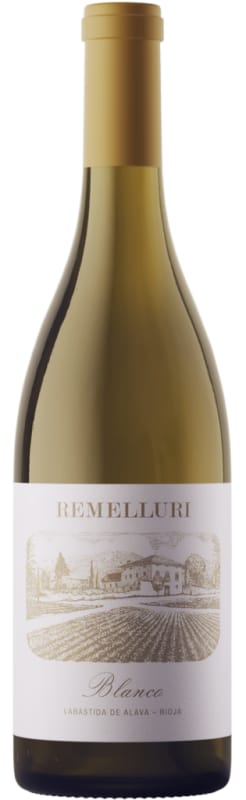


Winemaker Notes
Professional Ratings
-
James Suckling
A taut and very mineral Rioja blanco that is so focused, with a bright streak of acidity ripping through the creamy, full-bodied palate. Subtle lemon zest, fine lees and wet stones on the palate. Delicate, transparent and tactile. A field blend of nine different varieties. From organically grown grapes. Drink or hold.
-
Robert Parker's Wine Advocate
The white 2019 Blanco comes from a year that was marked by hail and frost in April and May, which resulted in a small crop that ripened early in a warm growing season. It fermented with indigenous yeasts and matured in used barriques, foudres and 1,200-liter concrete eggs. The wine is powerful at 14.4% alcohol but has good freshness showcased by a pH of 3.21. This is a very serious and complex white, with spice and smoke, balanced and harmonious, combining power with elegance. It's a little more fluid, with more finesse and delicacy, despite the fact that they had low yields and the wine has natural concentration.
Rating: 94+

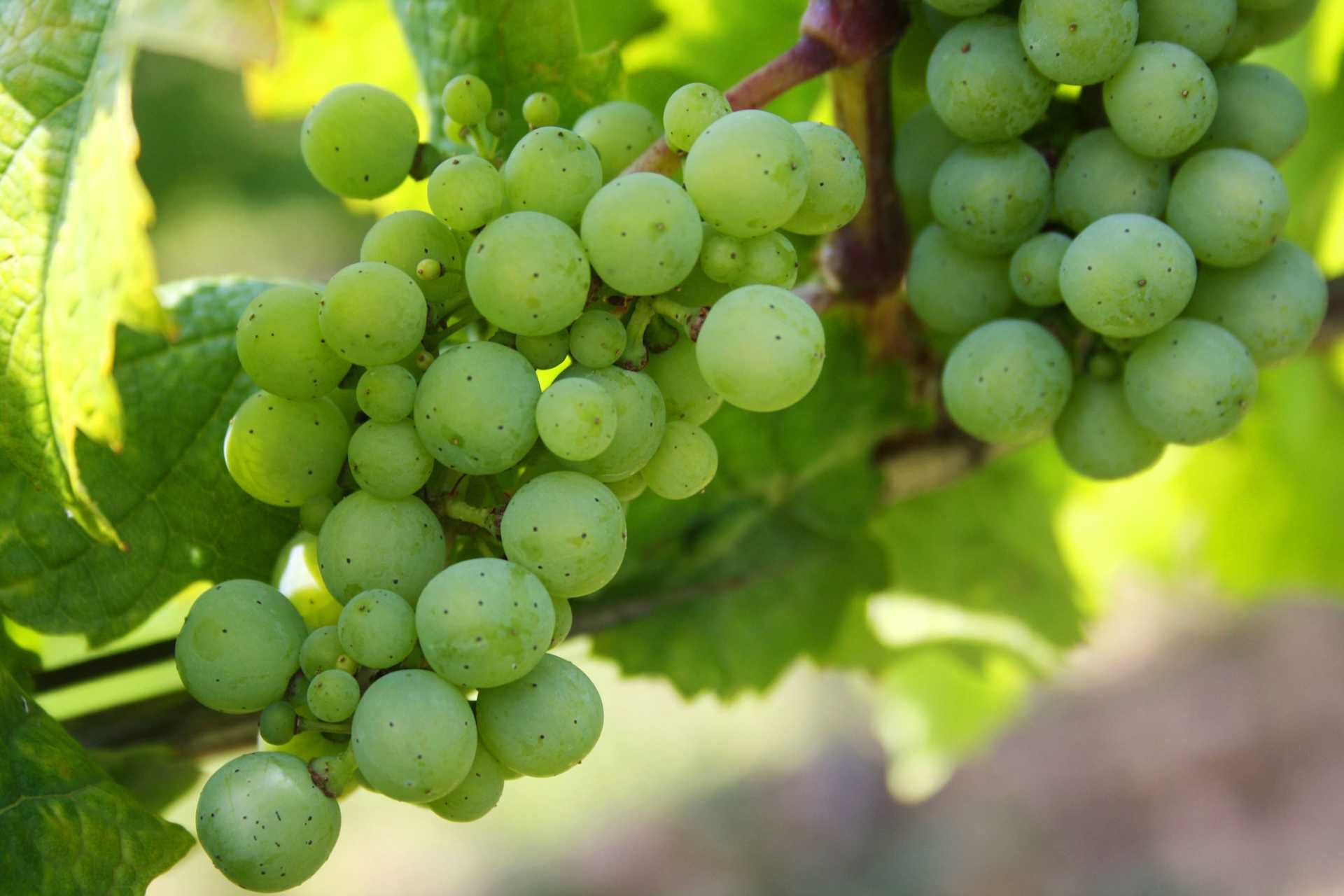
With hundreds of white grape varieties to choose from, winemakers have the freedom to create a virtually endless assortment of blended white wines. In many European regions, strict laws are in place determining the set of varieties that may be used in white wine blends, but in the New World, experimentation is permitted and encouraged. Blending can be utilized to enhance balance or create complexity, lending different layers of flavors and aromas. For example, a variety that creates a soft and full-bodied white wine blend, like Chardonnay, would do well combined with one that is more fragrant and naturally high in acidity. Sometimes small amounts of a particular variety are added to boost color or aromatics. Blending can take place before or after fermentation, with the latter, more popular option giving more control to the winemaker over the final qualities of the wine.

Highly regarded for distinctive and age-worthy red wines, Rioja is Spain’s most celebrated wine region. Made up of three different sub-regions of varying elevation: Rioja Alta, Rioja Alavesa and Rioja Oriental. Wines are typically a blend of fruit from all three, although specific sub-region (zonas), village (municipios) and vineyard (viñedo singular) wines can now be labeled. Rioja Alta, at the highest elevation, is considered to be the source of the brightest, most elegant fruit, while grapes from the warmer and drier Rioja Oriental produce wines with deep color and higher alcohol, which can add great body and richness to a blend.
Fresh and fruity Rioja wines labeled, Joven, (meaning young) see minimal aging before release, but more serious Rioja wines undergo multiple years in oak. Crianza and Reserva styles are aged for one year in oak, and Gran Reserva at least two, but in practice this maturation period is often quite a bit longer—up to about fifteen years.
Tempranillo provides the backbone of Rioja red wines, adding complex notes of red and black fruit, leather, toast and tobacco, while Garnacha supplies body. In smaller percentages, Graciano and Mazuelo (Carignan) often serve as “seasoning” with additional flavors and aromas. These same varieties are responsible for flavorful dry rosés.
White wines, typically balancing freshness with complexity, are made mostly from crisp, fresh Viura. Some whites are blends of Viura with aromatic Malvasia, and then barrel fermented and aged to make a more ample, richer style of white.