

Winemaker Notes
Professional Ratings
-
Robert Parker's Wine Advocate
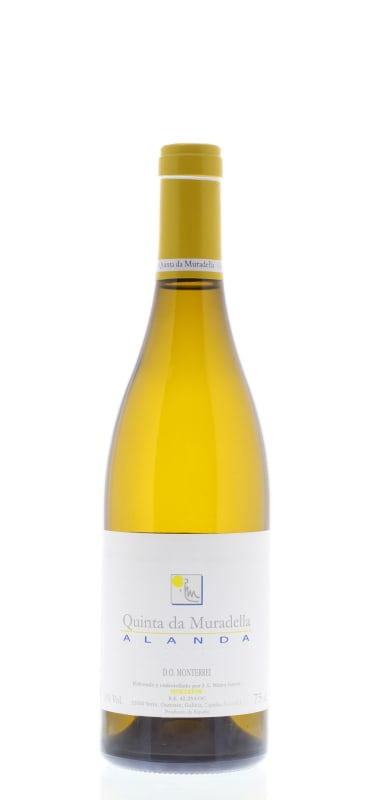
2014 was not an easy vintage, there were up to 40 liters of rain during the harvest, not that it's noticeable in the 2014 Alanda Blanco, which is the house blend of white grapes and soils; this wines mixes newer and older vineyards, and is co-fermented without any clarification or settling of the must with indigenous yeasts. The nose is completely mineral, a soil-driven profile, austere, reminiscent of wet granite stones, a really lovely nose. The palate is sharp, vertical, focused, clean and precise, with austere granite minerality that translate into a tactile sensation and an almost salty finish. A textbook, austere, sharp and mineral white. Simply superb. 8,000 bottles produced. 2013 was not an easy vintage, but 2014 was even more challenging with rains during the harvest, so in that vintage there is only one red wine produced. The wines are very transparent with the soils and vintages, something I really appreciate.


White grapes are used in two famous types of Spanish wine, Sherry and Cava, but we will limit this discussion to still whites. Let’s begin with perhaps the best known and most highly regarded internationally, Albariño . Produced in the region of Rías Baixas, just above Portugal in northwestern Spain, Albariño typically sees no or little oak and is medium to medium-plus in body. Aroma and flavor notes often include citrus and peach, often with subtle floral notes and a suggestion of sea spray, giving the wine a zesty feel. Often bottled as a single varietal, Albariño is sometimes blended with other indigenous grapes like Loureira and Treixadura. Try one of these Spanish whites from Forjas del Salnes.
Let’s look at a few other Spanish white wines. Godello also hails from northwestern Spain and presents a profile of grapefruit, minerality and a slight smoky quality. Enjoy a bottle from Bodegas Avancia. The region of Rueda, northwest of Madrid, is home to Verdejo , which makes refreshing, un-oaked white wines whose herbal vibrancy recalls Sauvignon Blanc . Protos makes a tasty version. Up north in the Basque region, we find the wine called Txakoli (sometimes called Txakolina). Pronounced “sha-ko-LEE,” it’s made from a local grape called Hondurrabi Zuri and is light, fresh, citrusy, dry … and with razor sharp acidity that makes it a fantastic partner with local seafood and tapas. Ameztoi Gertariako is a good Spanish white wine producer to check out.
The Penedѐs region, best known for the oceans of delicious Cava it sends to the world, also produces still Spanish whites, sometimes from international varieties like Chardonnay , and often from the same grapes used for Cava. These include Parellada, Xarel-lo and Macabeo. Avaline produces a fine example of Penedes white. Finally, we visit the Rioja region. While it is historically and internationally famous for its reds, Rioja also produces fine Spanish white wines. These are usually based on Viura (the local name for Macabeo) and make good everyday sippers, although some aged versions can be stunningly complex. A good place to start is the white Rioja from Bodegas Muga.
As you can see, Spanish white wines offer a vast opportunity for exploration!