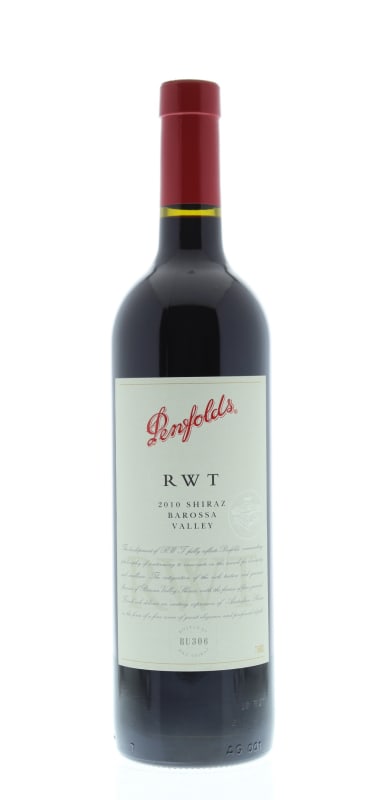


Winemaker Notes
Professional Ratings
-
Wine Enthusiast
This shows the strength of the 2010 vintage in the Barossa Valley, marrying incredibly ripe fruit with seamless structure. Cinnamon and vanilla notes from the French oak blend easily into blueberry fruit, all grounded by hints of dark chocolate and umami. It’s full bodied, lushly textured almost to the point of creaminess and long—ridiculously long—on the finish. Drink 2018–2030 and possibly beyond.
-
Robert Parker's Wine Advocate
Deep garnet-purple in color, the 2010 RWT Shiraz is a little closed showing intense and youthful primary aromas of cassis, kirsch, cedar, prunes and a touch of mulberries. Rich, muscular, packed with flavor, it is full-bodied, concentrated and finishes long with oak still poking out. Very youthful still, it will drink from 2014 to 2026+.
Rating: 93+ -
Wine Spectator
Firm tannins surround a generous core of black cherry, red plum, tobacco and crème brûlée flavors that come together smoothly and expressively. Lifts its intensity a bit on the finish to let the flavors shine.
-
Wine & Spirits
Grange-level Barossa shiraz enriched by aging in new French oak. The style brings chocolate-smooth tannins to bear on tight, tense and floral fruit, polishing away any and all rusticity. The only edge is a touch of volatility, reading as flamed orange zest. This will need years in the cellar to show off the quality and character of this fruit.
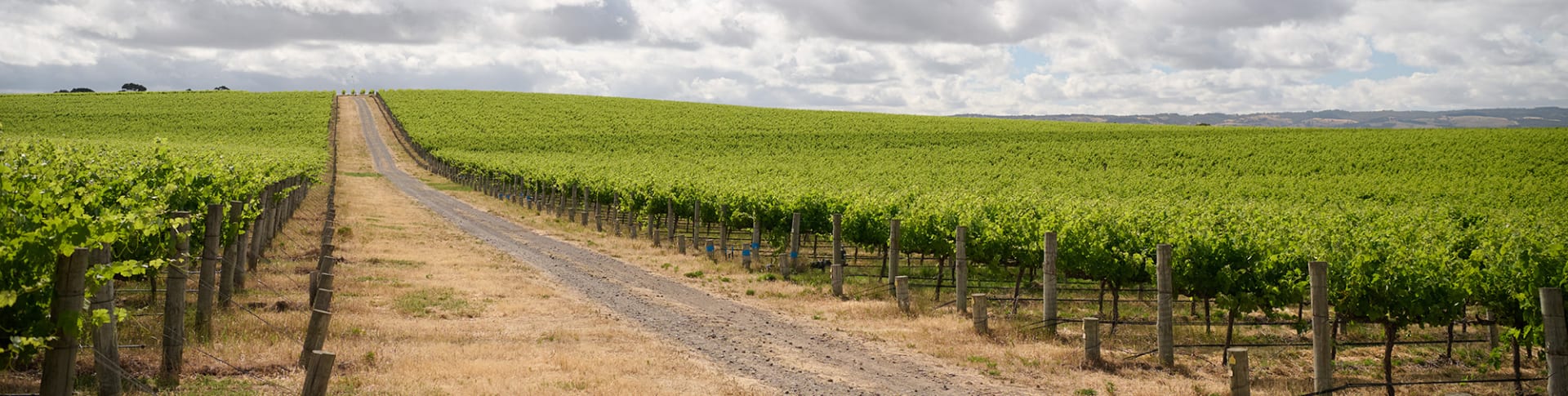




Since 1844, Penfolds has been grounded in experimentation, curiosity and uncompromising quality. Their success has been driven by a lineage of visionary winemakers. It began with Dr. Christopher and Mary Penfold, the pioneers who dreamed big, inventing tonics, brandies, and fortified wines made from grapes and Australian sunshine. It continued with celebrated winemaking legends including Max Schubert, who pushed the development to extraordinary, bold new heights. It is this pioneering spirit and curiosity that still rings true after nearly two centuries, it is what has helped Penfolds become one of the most celebrated winemakers in the world today.

Marked by an unmistakable deep purple hue and savory aromatics, Syrah makes an intense, powerful and often age-worthy red. Native to the Northern Rhône, Syrah achieves its maximum potential in the steep village of Hermitage and plays an important component in the Red Rhône Blends of the south, adding color and structure to Grenache and Mourvèdre. Syrah is the most widely planted grape of Australia and is important in California and Washington. Sommelier Secret—Such a synergy these three create together, the Grenache, Syrah, Mourvedre trio often takes on the shorthand term, “GSM.”

Historically and presently the most important wine-producing region of Australia, the Barossa Valley is set in the Barossa zone of South Australia, where more than half of the country’s wine is made. Because the climate is very hot and dry, vineyard managers work diligently to ensure grapes reach the perfect levels of phenolic ripeness.
The intense heat is ideal for plush, bold reds, particularly Shiraz on its own or Rhône Blends. Often Shiraz and Cabernet partner up for plump and powerful reds.
While much less prevalent, light-skinned varieties such as Riesling, Viognier or Semillon produce vibrant Barossa Valley whites.
Most of Australia’s largest wine producers are based here and Shiraz plantings date back as far as the 1850s or before. Many of them are dry farmed and bush trained, still offering less than one ton per acre of inky, intense, purple juice.