


Winemaker Notes
Produced since Paul Hobbs Winery was founded in 1991, white flowers and honeysuckle grace the aromas followed by a creamy palate of Crème brûlée and ripe pear.
Professional Ratings
-
Jeb Dunnuck
Last of the Chardonnay and first made in 1991, the 2018 Chardonnay Richard Dinner Vineyard comes from a vineyard in the Sonoma Mountain AVA and spent 15 months in 53% new French oak. It's certainly the most exotic Chardonnay in the lineup, with a complex bouquet of Meyer lemons, flower oil, toasted spice, candle wax, and honeyed citrus. Rich, full-bodied, and stacked on the palate, it has loads of fruit, vibrant acidity, and a great finish. It's another powerful, concentrated Chardonnay.
-
Robert Parker's Wine Advocate
The 2018 Chardonnay Richard Dinner Vineyard is ultra perfumed with jasmine notes over white peaches, toast, crushed stones and a honey-nut undercurrent. Medium-bodied, it's silky, bright and uplifted in the mouth with loads of mineral character, seamless freshness and a long, delicate finish.
-
James Suckling
A dense, rich chardonnay with a solid core of fruit and a pointed center palate. Full-bodied, focused and fruity, yet reserved at the same time. A savory and delicious wine to drink now.
-
Wine Spectator
Custardy aromas are matched to apple pastry, dried apricot and pear tart flavors in this lusciously spicy style. The creamy richness extends to light buttery notes on the finish. Drink now through 2025.




One of the most popular and versatile white wine grapes, Chardonnay offers a wide range of flavors and styles depending on where it is grown and how it is made. While it tends to flourish in most environments, Chardonnay from its Burgundian homeland produces some of the most remarkable and longest lived examples. California produces both oaky, buttery styles and leaner, European-inspired wines. Somm Secret—The Burgundian subregion of Chablis, while typically using older oak barrels, produces a bright style similar to the unoaked style. Anyone who doesn't like oaky Chardonnay would likely enjoy Chablis.
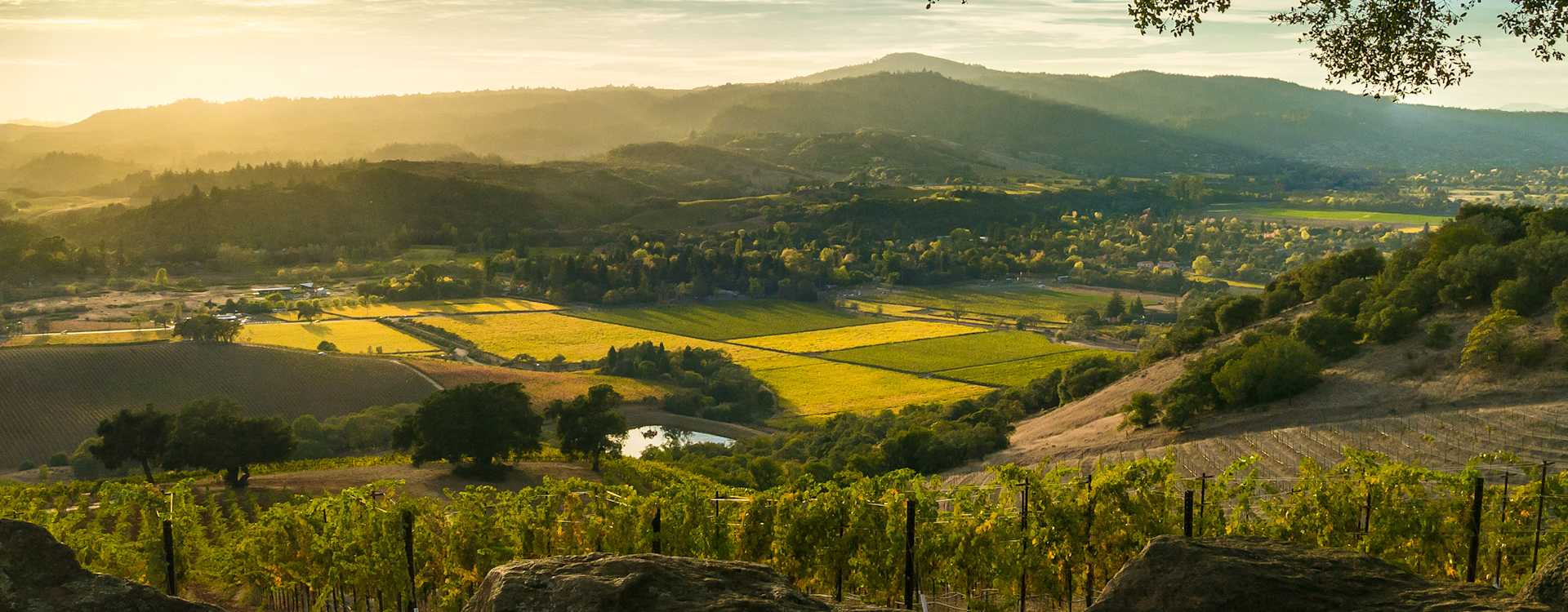
Defined more by altitude than geographical outline, the Sonoma Mountain appellation occupies elevations between 400 and 1,200 feet on the northern and eastern slopes of the actual Sonoma Mountain and is part of the greater Sonoma Valley appellation. The mountain reaches 2,400 feet; its hills separate the cooling winds of Petaluma Gap from the Sonoma Valley.
On a cooler western flank, Pinot noir, Chardonnay and Syrah enjoy a great deal of success. Vineyards on its warmer, eastern side, interspersed with heavily forested areas, tend to include Cabernet Sauvignon, Sauvignon Blanc, Zinfandel, and Syrah. Given its complexity of topography and mesoclimates, Sonoma Mountain excels with a wide range of grape varieties.