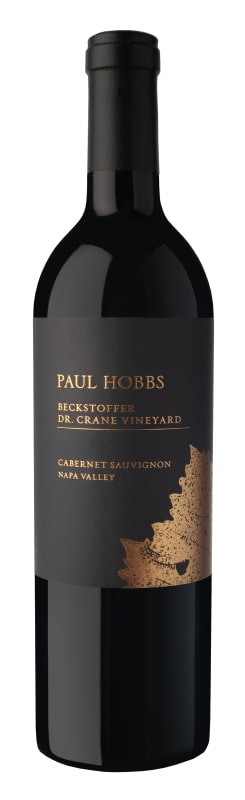


Winemaker Notes
A brilliant shade of garnet red in the glass, our 2021 from the venerable Beckstoffer Dr. Crane Vineyard captures fresh dark red fruit aromas—black raspberry and cherry—that hang in savory balance with pungent cigar box, tobacco leaf, and graphite notes. The palate is bright and precise yet complex, its dusty tannins and crushed rock minerality integrated seamlessly through a long, indulgent finish.
Professional Ratings
-
Jeb Dunnuck
Coming from a warmer site on the west side of St. Helena, the 2021 Cabernet Sauvignon Beckstoffer Dr. Crane Vineyard is deeper plum/purple hue and boasts a ripe, powerful nose of black fruits, spring flowers, lead pencil, and scorched earth. Deep, rich, full-bodied, and concentrated, it has a multi-dimensional, layered mouthfeel, ultra-fine tannins, the vintage's freshness and purity, and a blockbuster of a finish. This heavenly Napa Valley Cabernet Sauvignon will benefit from 4-5 years of bottle age and have 30+ years of overall longevity. It will probably merit a triple digit rating at maturity.
Rating: 98+ -
Decanter
This 100% Cabernet Sauvignon from Beckstoffer Dr Crane Vineyard in St. Helena, one of Napa's most profound vineyards, was hand-sorted while still cold from night harvesting and fermented with native yeasts. A total of 31 days of maceration with pump-overs and délestage was followed by spontaneous malolactic fermentation in barrel. Aged 18 months in 86% new French oak, bottled unfined and unfiltered. Cabernet clones 337 and 4 are planted on 110R rootstock in bale loam soils and date back to 1998. In 2021, Paul Hobbs delivered a knock-out Dr Crane Cabernet. The mineral aromatics are so intense, married with plenty of youthful blue and black fruits and flashy cedarwood notes. But the palate is where you get caught up, entranced by its medium-bodied, complex and layered expression of Cabernet, with a host of classic black cherry, blackberry, currant fruits, and tobacco nuances. Densley-packed pixelated tannins are superfine, and a remarkable thread of saline minerality carries the finish like there's no tomorrow. This is one to cellar and experience over many decades.
-
Robert Parker's Wine Advocate
The 2021 Cabernet Sauvignon Beckstoffer Dr. Crane Vineyard offers up delicate sage and thyme notes, hints of dusty earth and plenty of delicious black cherry fruit. It's medium to full-bodied in the mouth, rich but supple, harmonious and easy to drink, turning softly dusty on the long finish. Compared to the Nathan Coombs Estate, it's more nuanced and complex as a young wine but perhaps not as concentrated or potentially long lived.
-
Vinous
The 2021 Cabernet Sauvignon Beckstoffer Dr. Crane Vineyard is an opulent, sensual wine. Plush, silky contours wrap around a core of inky dark fruit. Lavender, spice, licorice and mocha add character. This is an especially dark, somber expression of Dr. Crane with tons of fruit intensity and sheer volume. Pretty floral notes linger on the close.
-
Wine Spectator
Features a fresh, vibrant core of blackberry, black cherry and raspberry preserve notes harnessed by hints of taut cast iron, warm earth and dried anise. Soundly structured through the lengthy finish, this offers the fruit for balance. Just needs some patience to settle in and unfurl. Best from 2026 through 2040.
-
James Suckling
Spice, walnut-husk, cedar and currant aromas. Medium to full body. Juicy fruit. Cherries and currants. Medium finish. Fresh herbs and thyme. Drink or hold.



A noble variety bestowed with both power and concentration, Cabernet Sauvignon enjoys success all over the globe, its best examples showing potential to age beautifully for decades. Cabernet Sauvignon flourishes in Bordeaux's Medoc where it is often blended with Merlot and smaller amounts of some combination of Cabernet Franc, Malbecand Petit Verdot. In the Napa Valley, ‘Cab’ is responsible for some of the world’s most prestigious, age-worthy and sought-after “cult” wines. Somm Secret—DNA profiling in 1997 revealed that Cabernet Sauvignon was born from a spontaneous crossing of Cabernet Franc and Sauvignon Blanc in 17th century southwest France.

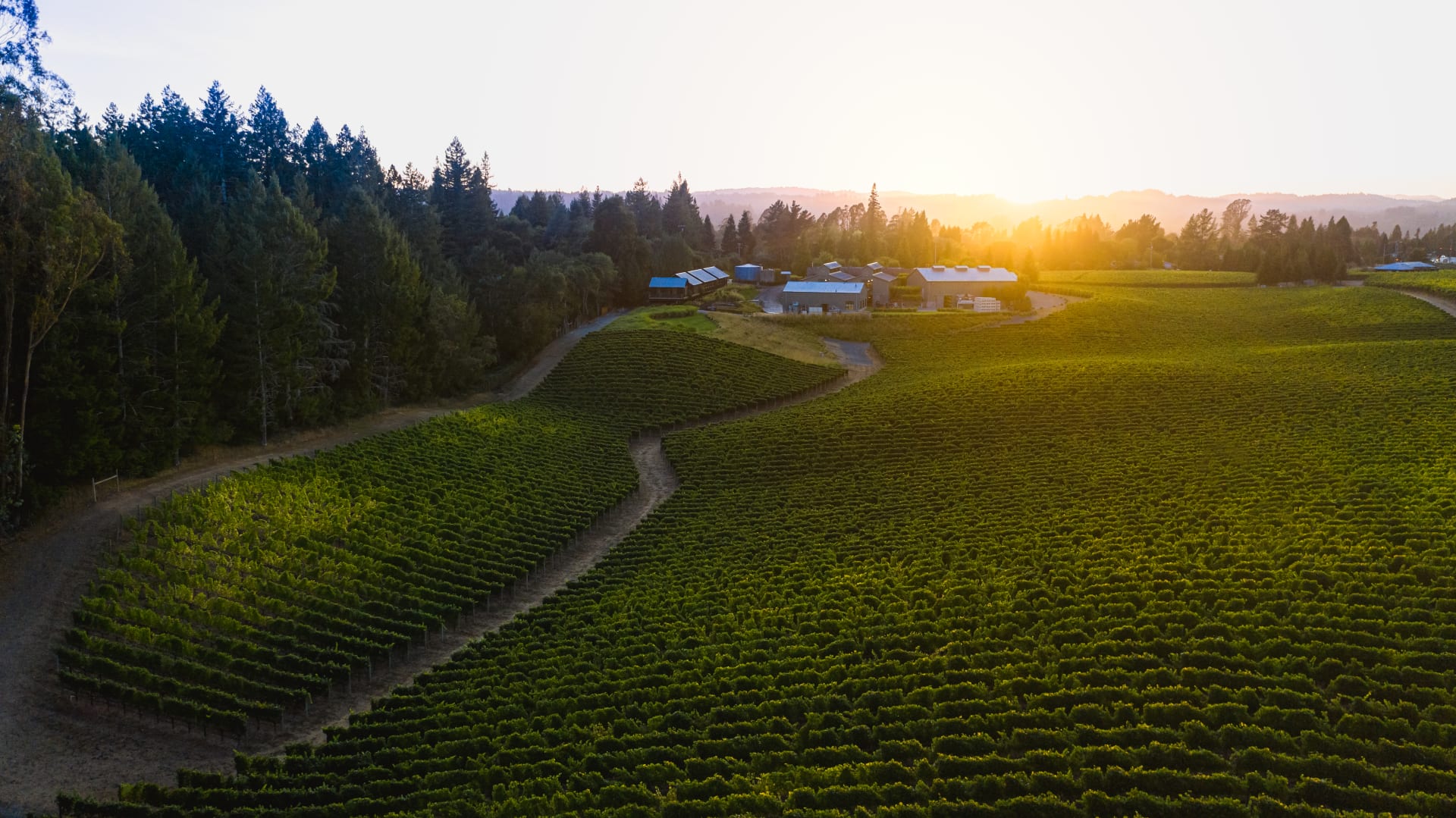
St. Helena is in the heart of the Napa Valley, nestled between Calistoga to the north and Rutherford on its southern border. On its western side, the Mayacamas Mountains guard it from the cooling effects of the Pacific Ocean; to its east stand the Vaca Mountains. In conjunction, these mountain ranges serve to lock in summer daytime heat. But in the evening, cool air from the San Pablo Bay funnels up through the valley, creating very chilly nights. It isn’t uncommon for temperatures to drop 50 degrees, a shift that promotes a balance of sugar ripeness and acidity in wine grapes.
St. Helena contains a plethora of different soil types in a small area, which have been enhanced over centuries by rain runoff from both mountain ranges. Its vineyards cover a variety of terrain, spreading across the bucolic valley floor and its benchlands.
These ideal topographic and climatic growing conditions easily caught the attention of early winemaking pioneers. In fact, St. Helena is the birthplace of Napa Valley’s commercial wine industry. Dr. Crane founded his cellar in 1859, David Fulton in 1860 and Charles Krug in 1861.
Today there are no less than 400 separate vineyards planted within the 12,000 acres that make up the St. Helena appellation.
Revered most for its red wines based on Bordeaux varieties, namely Cabernet Sauvignon, the St. Helena appellation is also a source of superior Syrah, Zinfandel and Sauvignon blanc.