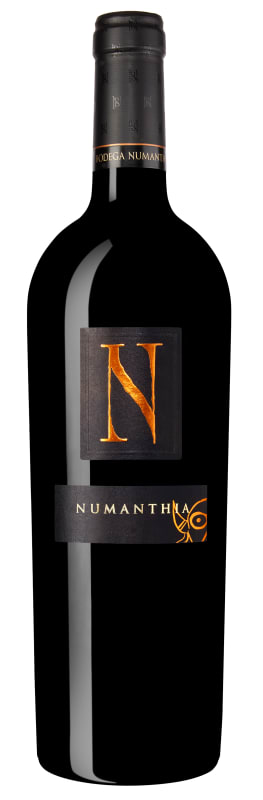


Winemaker Notes
Numanthia displays a ripe cherry color with ruby reflections. The nose fine, intense, and deep. Black berries, rockrose, rosemary, and cedar at first. Blueberries, menthol notes, and After Eight as a final memory. Pleasant entry, broad, serious, complex, flavorful, unctuous, and long. Ripe tannins fill the mid-palate with pleasantness and fluidity, black berries, rockrose, oregano, and licorice stick. Long and deep finish.
Professional Ratings
-
Wine Spectator
A harmonious red, though rich and full-bodied, with flavors of blackberry paste, briary herbs and forest floor riding the thick and creamy texture as this wraps around muscular tannins. Fresh and zesty, with milled pepper, anise and paprika on the finish. Drink now through 2036.
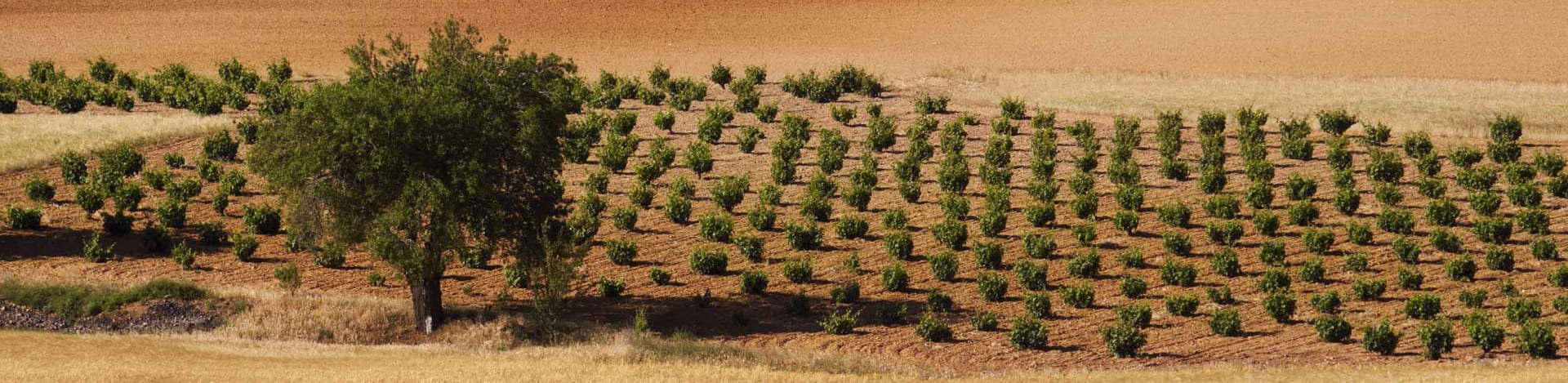



Numanthia is located in the Toro region of Spain. Its four vineyards are located along the south bank of the Duero River.
The wine is named after a legendary Spanish city that was destroyed (after 20 yrs of resistance) by Roman legions. It is to Spain what the hilltop village of Masada is to Israel: a monument of history. Its 40 hectares of land are covered with an abundance of elements derived from the disintegration of Pliocene grit, clay and limestone.
Numanthia's first vintage was produced in 1998 and received a 95-point rating from Robert Parker. Since then, the Toro region has been producing wines that have begun to rival those of Spain's richest wine-producing regions of Ribera del Duero, Rioja and Priorat.
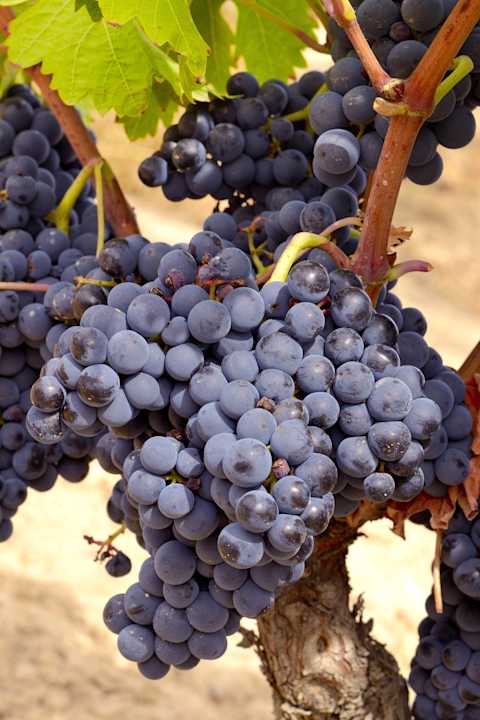
Notoriously food-friendly, long-lasting and Spain’s most widely planted grape, Tempranillo is the star variety of red wines from Rioja and Ribera del Duero. The Rioja terms Joven, Crianza, Reserva and Gran Reserva indicate both barrel and bottle time before release. Traditionally blended in Rioja with Garnacha, plus a bit of Mazuelo (Carignan) and Graciano, the Tempranillo in Ribera del Duero typically stands alone. Somm Secret—Tempranillo claims many different names depending on location. In Penedès, it is called Ull de Llebre and in Valdepeñas, goes by Cencibel. Known as Tinta Roriz in Portugal, Tempranillo plays an important role in Port wine.
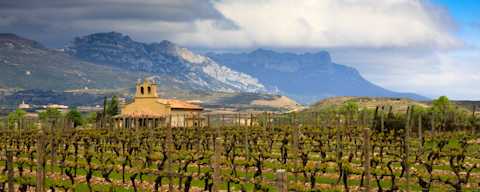
Spain's remote, high elevation Spanish wine zone between the regions of Bierzo and Ribera del Duero produces intense, full-bodied reds made from Tempranillo, locally called Tinta de Toro. This local variant has adapted to the region’s climatic extremes and recognizing its potential, top producers from Ribera del Duero and Rioja have invested heavily in its vineyards.